Table of Contents
1. Introduction to Effective Maintenance
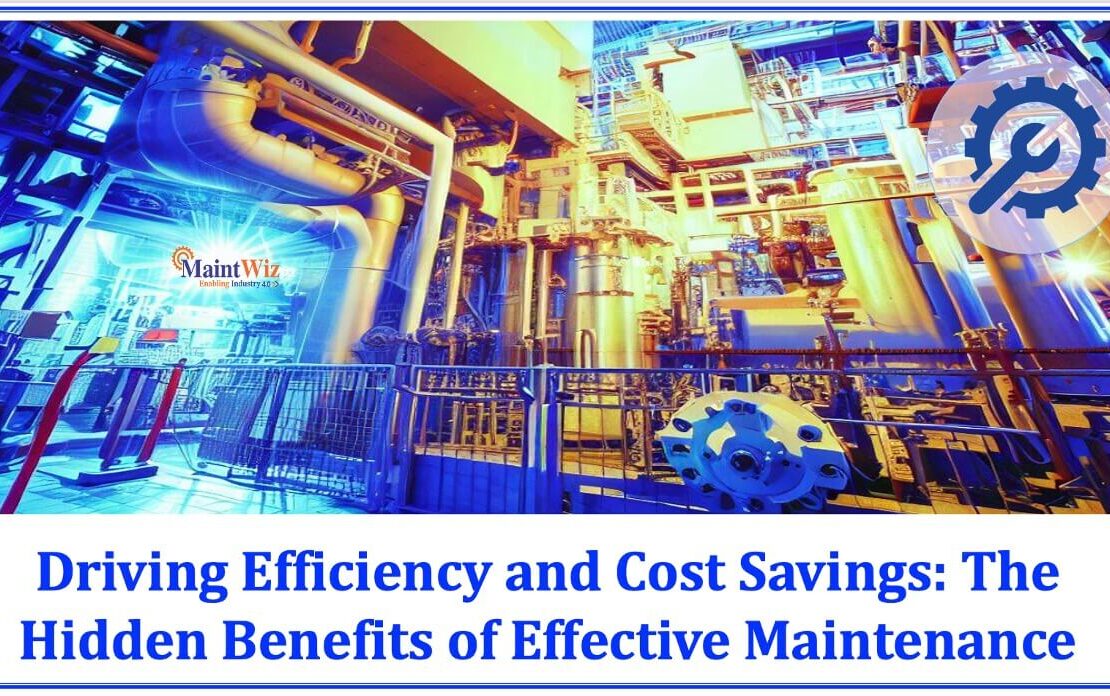
Effective maintenance lies at the core of successful industrial operations. It goes beyond just fixing equipment when it breaks down; instead, it focuses on proactive strategies to optimize productivity and reduce costs. By prioritizing effective maintenance practices, businesses can unlock a range of hidden benefits that significantly impact their bottom line.
Importance of Maintenance in Industrial Operations
Maintenance is the backbone of any industrial enterprise. It ensures that equipment and assets function optimally, leading to increased productivity and operational efficiency.
Understanding the Impact of Effective Maintenance on Efficiency and Cost Savings
By adopting a well-planned maintenance approach, businesses can avoid costly breakdowns, reduce downtime, and improve overall efficiency, resulting in substantial cost savings.
2. Types of Maintenance Strategies
Effective maintenance encompasses different approaches, each designed to address specific needs in different scenarios.
Preventive Maintenance
Preventive maintenance involves regular inspections and servicing of equipment to prevent failures before they occur, ensuring continuous operation and preventing expensive breakdowns.
Predictive Maintenance
Predictive maintenance leverages data and analytics to forecast when equipment failures might occur, allowing timely interventions and cost-effective repairs.
Proactive Maintenance
Proactive maintenance focuses on identifying potential issues early and taking preventive measures to avoid costly repairs and downtime.
Reactive Maintenance
Reactive maintenance involves fixing equipment after a failure occurs. While necessary in certain situations, it can lead to increased downtime and higher costs.
3. The Hidden Benefits of Effective Maintenance
The true value of effective maintenance lies in the long-term benefits it brings to industrial operations.
Improved Equipment Reliability and Availability
Regular maintenance enhances equipment reliability, reducing the risk of unplanned breakdowns and ensuring consistent availability for production.
Reduced Downtime and Production Losses
With proactive maintenance, businesses can minimize downtime, which translates to uninterrupted production and increased revenue.
Extended Asset Lifespan and ROI Maximization
Well-maintained assets tend to last longer, extending their useful life and maximizing return on investment (ROI) for capital-intensive equipment.
4. Cost Savings through Effective Maintenance
Efficient maintenance practices directly contribute to significant cost savings across various aspects of industrial operations.
Minimizing Unplanned Maintenance Expenses
By addressing issues before they escalate, businesses can avoid emergency repairs, reducing the high costs associated with unplanned downtime.
Optimizing Spare Parts Inventory
Effective maintenance planning allows businesses to optimize their spare parts inventory, preventing overstocking or understocking situations.
Energy Efficiency and Cost Reduction
Regular maintenance ensures that equipment operates at peak efficiency, leading to reduced energy consumption and lower utility bills.
5. Data-Driven Maintenance Decision-making
Data-driven maintenance has revolutionized the industry by providing valuable insights for informed decision-making.
Utilizing Big Data and Analytics for Insights
Big data and advanced analytics help businesses analyze vast amounts of maintenance data to identify patterns and make data-driven decisions.
Predictive Insights for Better Planning
Predictive maintenance leverages historical data and predictive algorithms to forecast potential failures, enabling proactive planning.
Continuous Improvement through Data Analysis
By continuously analyzing maintenance data, businesses can identify areas for improvement and implement better maintenance strategies.
6. The Role of CMMS and EAM in Driving Efficiency
Modern maintenance management systems play a pivotal role in driving efficiency and cost savings.
Computerized Maintenance Management Systems (CMMS)
CMMS streamlines maintenance workflows, automates work orders, and helps with asset tracking, ensuring efficient maintenance processes.
Enterprise Asset Management (EAM) Solutions
EAM integrates maintenance with other business functions, providing a comprehensive view of asset performance and enhancing decision-making.
Leveraging Technology for Streamlined Operations
By embracing technology like CMMS and EAM, businesses can optimize maintenance operations and enhance overall efficiency.
7. Integrating Maintenance and Production Operations
Collaboration between maintenance and production teams is critical for achieving seamless operations.
Collaboration between Maintenance and Production Teams
Effective communication and collaboration between maintenance and production teams ensure equipment availability and smooth production processes.
Aligning Goals for Overall Efficiency
Aligning maintenance and production goals ensures that both teams work together to achieve optimal efficiency and productivity.
Reducing Equipment Downtime in Production Processes
Effective maintenance helps minimize equipment downtime, preventing disruptions to production schedules and maintaining optimal output.
8. Enhancing Safety and Compliance through Maintenance
Safety and compliance are paramount in industrial operations, and maintenance plays a crucial role in ensuring both.
Safety Protocols and Procedures in Maintenance
Compliance with safety protocols and procedures minimizes the risk of accidents and ensures a safe working environment.
Regulatory Compliance in Maintenance Practices
Adherence to industry regulations and standards ensures compliance with legal requirements and prevents potential liabilities.
Risk Mitigation and Incident Prevention
Through effective maintenance, businesses can identify and mitigate potential risks, preventing costly incidents and accidents.
9. Training and Skill Development for Maintenance Teams
Investing in the skill development of maintenance teams is vital for continuous improvement.
Upskilling and Reskilling Maintenance Personnel
Continuous training and upskilling enhance the expertise of maintenance personnel, resulting in more efficient and effective maintenance practices.
Implementing Training Programs for Efficiency
Structured training programs help maintenance teams stay updated with the latest industry trends and best practices, leading to improved efficiency.
Knowledge Transfer and Succession Planning
Knowledge transfer initiatives and succession planning ensure that valuable expertise is preserved and passed on to new generations of maintenance professionals.
10. The Future of Maintenance: Industry Trends and Innovations
The maintenance landscape is constantly evolving, with new technologies and practices shaping the future.
Automation and Robotics in Maintenance
Automation and robotics are revolutionizing maintenance, enabling autonomous inspections, repairs, and data collection.
Artificial Intelligence for Predictive Maintenance
AI-driven predictive maintenance models are becoming increasingly sophisticated, providing accurate insights for proactive maintenance planning.
Sustainability and Eco-Friendly Maintenance Practices
Sustainable maintenance practices, such as energy-efficient processes and waste reduction, align maintenance operations with environmental responsibility.
Conclusion
In conclusion, effective maintenance is a powerful driver of efficiency and cost savings in industrial operations. By investing in the right maintenance strategies, leveraging technology like CMMS and EAM, and prioritizing data-driven decision-making, businesses can unlock the hidden benefits of maintenance. Embracing the future of maintenance with automation, AI, and sustainability practices will further enhance the industry’s efficiency and drive continuous improvement.
Key Takeaways:
– Effective maintenance optimizes industrial operations, leading to increased efficiency and cost savings.
– Proactive strategies, such as preventive and predictive maintenance, prevent costly breakdowns and reduce downtime.
– Data-driven maintenance decision-making enables informed planning and continuous improvement.
– The integration of CMMS and EAM streamlines maintenance processes and enhances overall efficiency.
– Collaboration between maintenance and production teams ensures seamless operations and reduced downtime.
– Safety and compliance in maintenance practices mitigate risks and prevent incidents.
– Skill development and knowledge transfer empower maintenance teams for long-term success.
– Embracing emerging trends and innovations, such as automation and AI, shapes the future of maintenance with sustainability in mind.

Jai Balachandran is an industry expert with a proven track record in driving digital transformation and Industry 4.0 technologies. With a rich background in asset management, plant maintenance, connected systems, TPM and reliability initiatives, he brings unparalleled insight and delivery excellence to Plant Operations.