Table of Contents
1. Introduction to Asset Management Program Performance Tracking
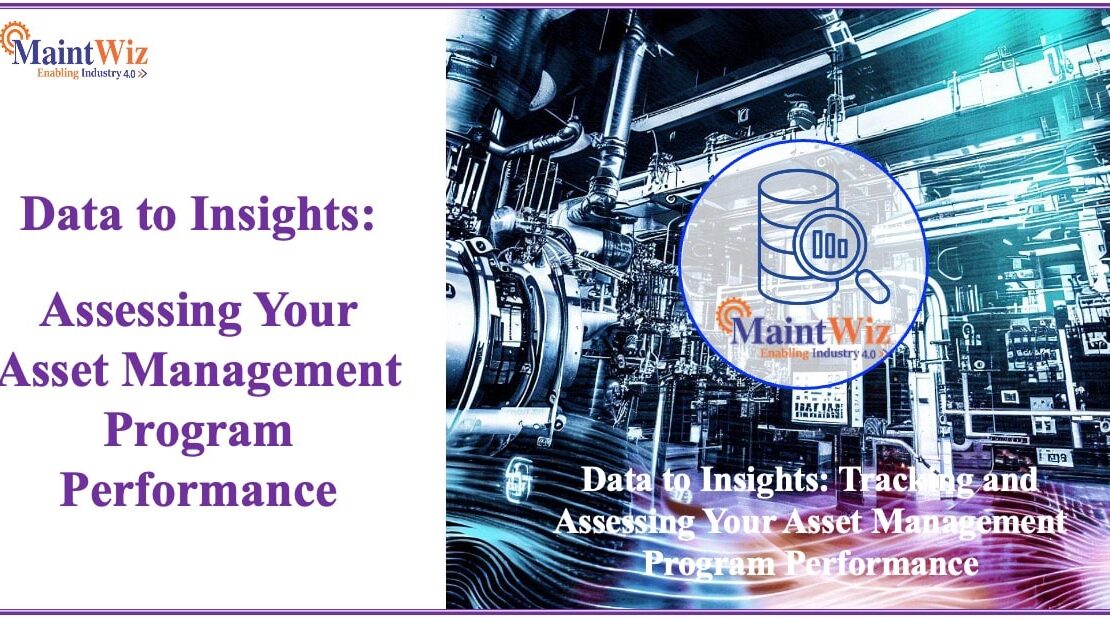
Effective asset management is crucial for the success of any manufacturing enterprise. By tracking and assessing your asset management program’s performance, you can gain valuable insights to improve its effectiveness. Let’s explore the key features of performance tracking in asset management:
Benefits of Data-Driven Insights
- Enhanced decision-making based on factual data
- Identify areas for improvement and optimize processes
- Maximize asset uptime and reduce maintenance costs
- Comply with regulatory standards and ensure operational excellence
- Improve Overall Equipment Effectiveness (OEE) and productivity
Key Metrics for Evaluating Asset Management Program Performance
Measuring the right metrics is crucial for accurately assessing the performance of your asset management program. Consider the following key metrics:
Reliability Metrics
- Mean Time Between Failures (MTBF): Measure of asset reliability
- Mean Time To Repair (MTTR): Measure of asset downtime and maintenance efficiency
- Asset Uptime: Measure of the percentage of time an asset is operational
Cost Metrics
- Operational Expenditure (OPEX): Measure of ongoing maintenance costs
- Maintenance Costs: Measure of total expenses related to asset maintenance
- Return on Investment (ROI): Measure of the financial benefits gained from the asset management program
Compliance Metrics
- Regulatory Compliance: Measure of adherence to industry regulations and standards
- Adherence to Standards: Measure of compliance with internal or external standards
Productivity Metrics
- Overall Equipment Effectiveness (OEE): Measure of asset performance, availability, and quality
- Downtime Reduction: Measure of the decrease in asset downtime and production interruptions
2. Data Collection and Management for Performance Tracking
Accurate and reliable data collection is the foundation for effective performance tracking in asset management. Consider the following aspects:
Integration of CMMS and EAM Systems
Streamlining data management is crucial for efficient asset management. Integrating Computerized Maintenance Management Systems (CMMS) and Enterprise Asset Management (EAM) systems enables seamless data flow and centralization.
Data Validation and Quality Control Processes
To ensure data accuracy and reliability, implement robust validation and quality control processes. Regularly validate data inputs and establish protocols for error detection and correction.
3. Establishing Performance Goals and Targets
Setting performance goals
and targets is essential for measuring the success of your asset management program. Follow these best practices:
Setting SMART Goals
Ensure your goals are Specific, Measurable, Achievable, Relevant, and Time-bound (SMART). This framework provides clarity and accountability for your team.
Aligning Performance Targets with Business Objectives
Your performance targets should align with your organization’s broader business objectives. This alignment ensures that asset management supports the overall strategic direction of your enterprise.
Defining Key Performance Indicators (KPIs)
Identify and define specific KPIs to track the progress and performance of your asset management program. These KPIs should be directly related to the goals and targets you have established.
4. Performance Tracking Tools and Technologies
Leverage advanced tools and technologies to optimize performance tracking in your asset management program. Consider the following:
Utilizing Advanced Analytics and Reporting Dashboards
Gain actionable insights from your asset data by utilizing advanced analytics and reporting dashboards. These tools enable data visualization and in-depth analysis.
Implementing Predictive Maintenance and Condition Monitoring Technologies
Predictive maintenance and condition monitoring technologies empower you to proactively identify asset issues and take preventive measures. By predicting failures, you can reduce downtime and optimize maintenance efforts.
Leveraging IoT Sensors and Connectivity
Internet of Things (IoT) sensors and connectivity enable real-time data collection and insights. Utilize IoT technology to monitor asset performance, collect data, and enable remote diagnostics.
5. Data Analysis and Visualization for Insights
Transform your asset data into actionable insights through effective analysis and visualization techniques:
Statistical Analysis Techniques
Apply statistical analysis techniques to identify trends, patterns, and correlations within your asset data. This analysis helps you make data-driven decisions and prioritize improvement initiatives.
Data Visualization Tools
Visualize your asset performance data through interactive dashboards and reports. Data visualization tools provide intuitive representations of complex data, making it easier to identify performance trends and outliers.
Predictive Modeling
Utilize predictive modeling to forecast future asset performance and make proactive decisions. By leveraging historical data and statistical algorithms, you can anticipate potential failures and optimize maintenance strategies.
6. Conducting Performance Assessments and Audits
Regular performance assessments and audits are essential for evaluating the effectiveness of your asset management program:
Regular Assessments
Conduct periodic assessments to evaluate the performance of your asset management program. Assessments help identify strengths, weaknesses, and areas for improvement.
Benchmarking Against Industry Standards
Compare your asset management program against industry standards and best practices. Benchmarking provides insights into your program’s performance relative to peers and helps identify areas where you can excel.
Identifying Areas for Improvement
Performance assessments and audits help identify areas where your asset management program can be enhanced. Use the findings to implement corrective actions and drive continuous improvement.
7. Continuous Improvement and Optimization Strategies
Optimizing asset management program performance is an ongoing process. Consider the following strategies:
Implementing a Culture of Continuous Improvement
Cultivate a culture of continuous improvement within your organization. Encourage employees to actively participate in identifying opportunities for improvement and driving positive change.
Applying Lean and Six Sigma Methodologies
Apply Lean and Six Sigma methodologies to optimize asset management processes. These proven methodologies focus on eliminating waste, improving efficiency, and driving operational excellence.
Encouraging Cross-Functional Collaboration
Promote cross-functional collaboration to foster shared insights and innovation. When different departments and teams collaborate, they can collectively contribute to performance optimization and problem-solving.
8. Challenges and Solutions in Performance Tracking
While tracking asset management program performance, you may encounter various challenges. Here are some common challenges and their potential solutions:
Data Integrity and Accuracy Challenges
Ensure data integrity and accuracy by implementing robust data validation processes, regular data audits, and training programs for data entry personnel.
Overcoming Resistance to Change
Address resistance to change by communicating the benefits of performance tracking and involving employees in the process. Provide training and support to facilitate smooth adoption.
Integrating Performance Tracking into Workflows
Integrate performance tracking seamlessly into existing workflows and processes. Provide clear instructions and guidelines, and ensure the necessary tools and systems are easily accessible.
9. Future Trends in Asset Management Program Performance Tracking
As technology advances, new trends emerge in asset management program performance tracking:
Artificial Intelligence and Machine Learning Advancements
AI and machine learning technologies enhance the ability to analyze large volumes of asset data, identify patterns, and make accurate predictions for maintenance optimization.
Big Data Analytics for Predictive and Prescriptive Insights
Big data analytics enable organizations to leverage vast amounts of data for predictive and prescriptive insights. By analyzing historical and real-time data, you can optimize asset performance and reduce downtime.
Adoption of Digital Twins for Virtual Performance Monitoring
Digital twins, virtual replicas of physical assets, allow for real-time monitoring and simulation of asset performance. This technology enables proactive maintenance and facilitates data-driven decision-making.
Conclusion
Effective tracking and assessing of your asset management program’s performance is crucial for optimizing efficiency, reducing costs, and achieving operational excellence. By leveraging data-driven insights, implementing performance goals, utilizing the right tools and technologies, and embracing continuous improvement, you can drive significant improvements in your asset management practices. Stay ahead of the curve by embracing future trends and emerging technologies to gain a competitive edge in the manufacturing industry.
Key Takeaways:
- Data-driven insights optimize asset management program performance
- Key metrics include reliability, cost, compliance, and productivity
- Data collection, integration, and validation are crucial for accurate insights
- Establish SMART goals, align with business objectives, and define KPIs
- Utilize performance tracking tools, data analysis, and visualization techniques
- Regular assessments, benchmarking, and continuous improvement drive optimization
- Overcome challenges through data integrity, change management, and integration
- Future trends include AI, big data analytics,
and digital twins

Jai Balachandran is an industry expert with a proven track record in driving digital transformation and Industry 4.0 technologies. With a rich background in asset management, plant maintenance, connected systems, TPM and reliability initiatives, he brings unparalleled insight and delivery excellence to Plant Operations.