Designing Work for Humans, Not Machines — A New Era of Maintenance Excellence
The future of industrial maintenance isn’t about machines alone — it’s about designing work for the humans who operate, maintain, and optimize those machines. When organizations shift from machine-centric to human-centric maintenance design, they unlock unprecedented gains in uptime, safety, and workforce engagement.
In this extensive thought-leadership article, we explore practical strategies rooted in human factors, cognitive ergonomics, and real operational insights to advance maintenance excellence in the digital age. Along the way, you’ll see how digital platforms such as MaintWiz CMMS enable and amplify human-centered work design in modern plants.
Why Human-Centered Maintenance Design Matters
Overview:
Industrial maintenance has traditionally emphasized equipment, technologies, and KPIs. However, the most successful reliability transformations focus first on human work design: reducing cognitive load, aligning tasks with human strengths, and supporting decision-making under pressure.
Key Drivers of Human-Centric Maintenance:
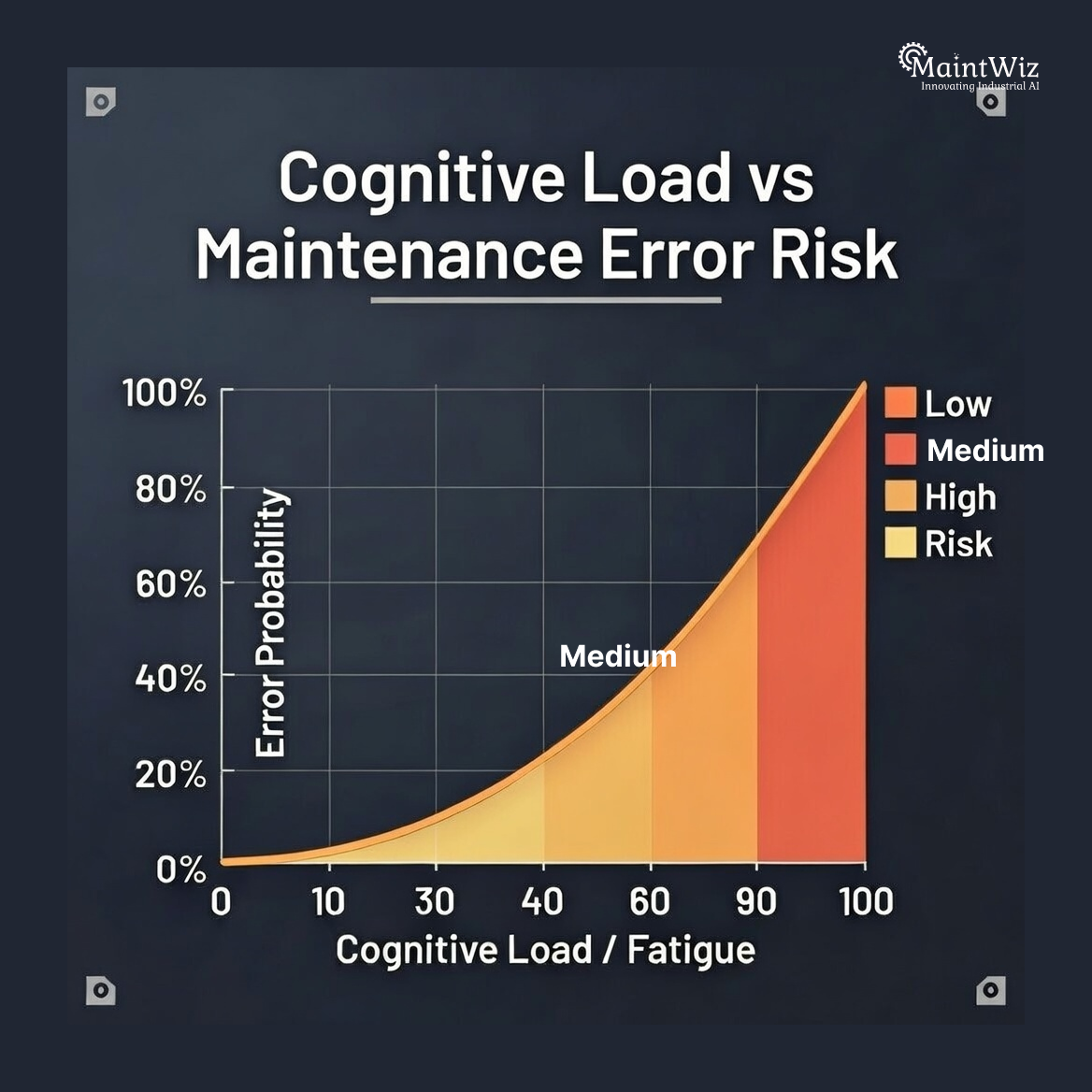
- Cognitive Load Influences Performance
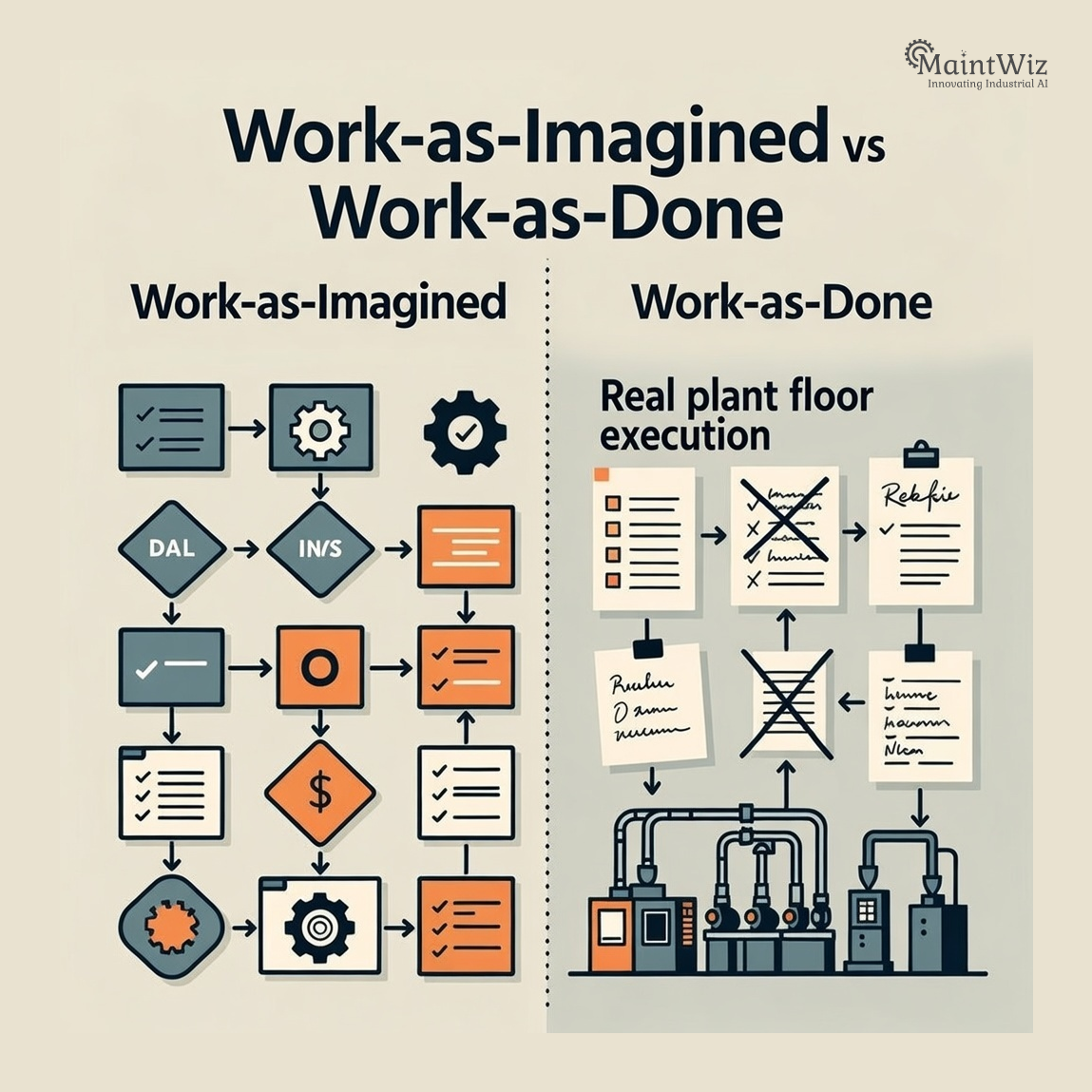
Overwhelmed technicians make more mistakes. Human-centered design reduces unnecessary mental effort, enabling focus on critical tasks. - Work-as-Imagined vs. Work-as-Done
There’s often a gap between documented procedures and actual field execution. Acknowledging this gap leads to more practical, usable work instructions. - Human Error Signals Design Flaws
Instead of blaming “human error,” a human-centric approach identifies systemic causes and redesigns work to prevent predictable mistakes. - Engagement Drives Reliability
Workers feel empowered when work is designed with their experience and cognition in mind — boosting morale, safety reporting, and uptime.
The Science of Human Factors in Maintenance
Overview:
Human factors engineering draws from psychology, ergonomics, and systems design to create workplaces that support human capabilities. Maintenance environments are ripe for improvement by applying these principles.
Core Human-Centered Principles:
- Cognitive Ergonomics for Clarity
Aligning task requirements with human information processing reduces confusion and improves decision making. - Physical Ergonomics to Minimize Strain
Designing tasks that respect natural human postures and movements cuts injury risk and improves productivity. - Behavioral Predictability
Systems should anticipate common human behaviors, designing workflows that make the correct action the most intuitive action. - Feedback and Adaptive Support
Tools and procedures that provide real-time, actionable feedback reduce uncertainty and improve task outcomes.
Understanding Work-as-Done on the Plant Floor
Overview:
Work-as-imagined (the plan) often diverges significantly from work-as-done (reality). Recognizing this gap is essential to human-centric maintenance transformation.
Insights into Real Maintenance Work:
- Tacit Knowledge Is Critical
Experienced technicians often rely on implicit knowledge not captured in manuals. Good systems capture and leverage these insights. - Adaptations Aren’t Deviations — They’re Solutions
Field adaptations frequently arise because procedures don’t fit real conditions. Understanding why adaptations occur helps design better work. - Information Overload Hinders Performance
Too many alerts, dashboards, or irrelevant data create noise. Human-centric systems prioritize context-relevant information at the right moment. - Collaborative Communication Matters
Effective communication between maintenance, operations, and planning teams enables better decisions and fewer delays.
Designing Maintenance Tasks Around Human Capabilities
Overview:
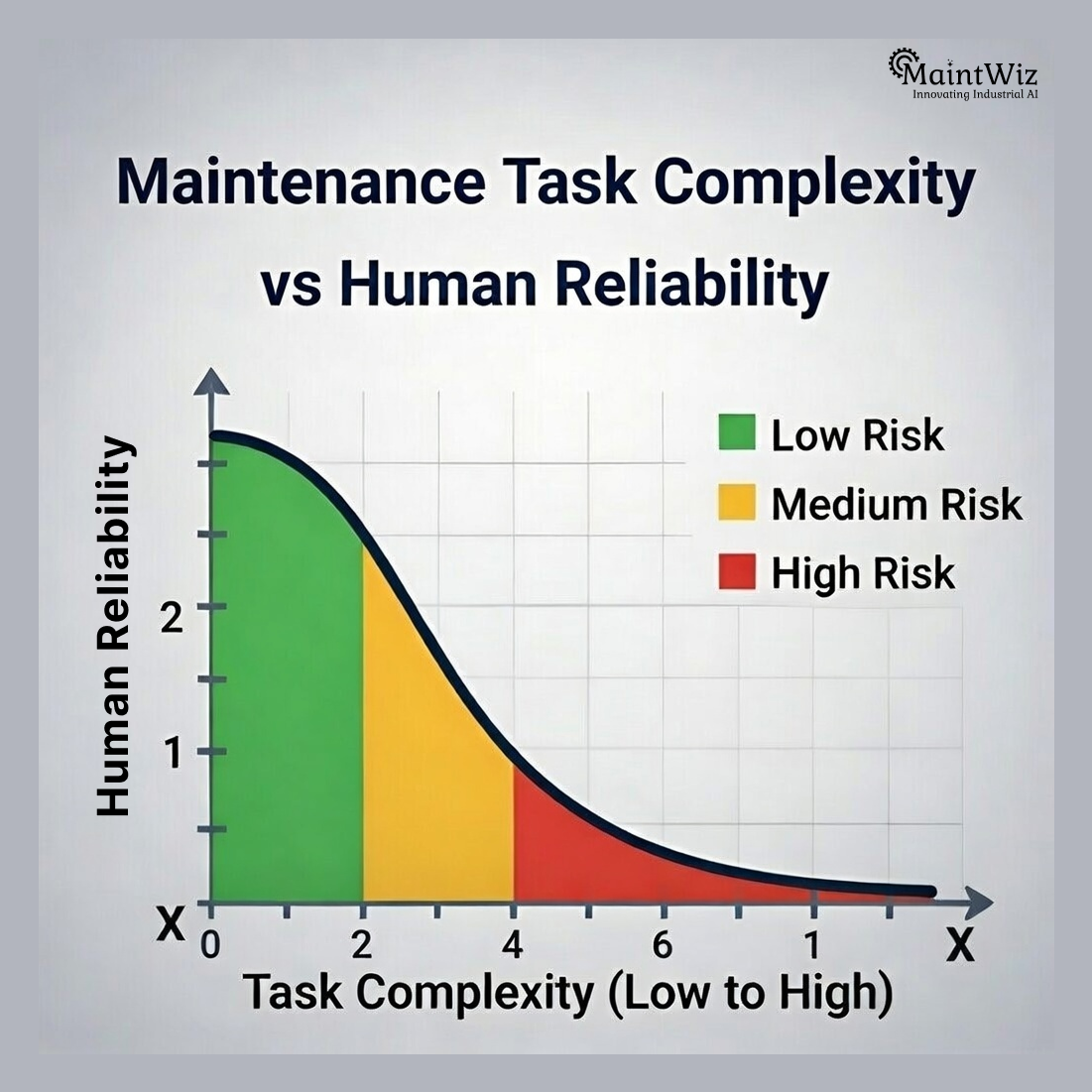
Maintenance tasks should reflect human strengths — pattern recognition, problem solving, and contextual judgment — while minimizing unnecessary complexity.
Human-Friendly Task Design Principles:
- Task Simplification Without Losing Necessary Detail
Remove redundancies and focus steps on what truly matters for safe and effective task completion. - Logical Sequence for Smooth Cognitive Flow
Arrange steps so technicians can follow them intuitively rather than forcing frequent context switches. - Built-In Error Proofing
Techniques like poka-yoke (error proofing) help prevent common slips and lapses in execution. - Visual and Intuitive Instructions
Use diagrams, color coding, and clear labeling to reduce misinterpretation and speed up learning.
Ergonomics as a Strategic Reliability Lever
Overview:
Ergonomics isn’t just about comfort — it’s a productivity and safety strategy. Proper ergonomic design creates maintenance tasks that respect human physical and cognitive limitations.
Ergonomic Design Focus Areas:
- Accessibility of Tools and Assets
Easy access to tools and assets eliminates unnecessary strain and reduces time to task completion. - Intuitive Interface and Control Design
Digital interfaces and dashboards should match how technicians think and act, not corporate reporting structures. - Feedback that Makes Sense in Context
Alerts need to be clear, timely, and helpful — reducing alarm fatigue and improving reaction time. - Environment and Workspace Considerations
Lighting, noise, and layout affect human performance. Human-centric workplaces consider these environmental factors.
Human-Centered Procedures and Work Instructions
Overview:
Field technicians are far more likely to adhere to procedures that are simple, clear and designed with their reality in mind.
Principles for Effective Work Documentation:
- Visual Guidance Over Text Blocks
Visual cues reduce interpretation errors and accelerate task understanding. - Field-Ready, Mobile Accessible Instructions
Work instructions must be instantly accessible where the work happens — ideally on mobile devices. - Procedure Risk Highlights
Instead of generic safety text, integrate risk cues directly into task steps. - Feedback Mechanisms for Continuous Improvement
Technicians should be able to flag ambiguous steps or suggest improvements.
Fatigue, Stress, and Hidden Drivers of Maintenance Failure
Overview:
Invisible factors like fatigue and stress can have visible consequences — slower reaction times, mistakes, and safety lapses.
Addressing Human Limits to Improve Maintenance:
- Shift Design with Human Biology in Mind
Align schedules with natural circadian rhythms to reduce fatigue. - Psychological Safety to Speak Up
Workers should feel confident reporting issues without fear of blame. - Energy-Aware Work Planning
Recognize peak performance times and allocate high-cognitive tasks accordingly. - Feedback and Recognition Loops
Reward suggestions that improve processes — reinforcing a learning culture.
Leadership Behaviors That Enable Human-Centered Excellence
Overview:
Culture and leadership define the environment in which human-centered maintenance can flourish. Leaders shape norms, expectations, and accountability.
Leadership Practices that Support Human Factors:
- Shift from Compliance to Enablement
Instead of enforcing procedures, leaders should empower technicians to apply judgment within structured frameworks. - Coaching Over Policing
Supervisors who coach performance and ask questions foster better engagement and outcomes. - Transparency and Trust
Trust encourages early identification of issues — reducing reactive firefighting. - Continuous Learning Culture
Encourage problem-solving reflections after incidents to capture lessons.
Human Factors in Digital Maintenance Transformation
Overview:
Digital tools can either overwhelm technicians or empower them, depending on design. Human-centric digital transformation balances information with context, timing, and usability.
Human-First Digital Integration Principles:
- UI/UX Aligned with Field Workflows
Platforms must support how technicians think — not just how executives report. - Avoiding Alert Fatigue
Smart filters and prioritization of notifications preserve attention for what matters. - Real-Time Contextual Insights
Digital dashboards should translate data into actionable insights, not raw numbers. - Mobile Access Where Work Happens
Technicians need instant, on-the-go access to work orders and asset history.
Measuring What Matters: Human-Centered KPIs
Overview:
Human-centered maintenance demands KPIs that reflect both human performance and asset outcomes.
Human-Focused Metrics to Track:
- Engagement and Adoption Rates
Higher tool and process adoption correlates with better performance. - Near-Miss Reports and Learning Signals
Meaningful reporting shows a culture of safety and improvement. - Work Instruction Clarity and Usage
Track how often and how clearly work instructions guide execution. - Human Performance Leading Indicators
Metrics like first-time fix rate and task clarity help predict uptime outcomes.
Why MaintWiz CMMS Is the Human-Centered Platform You Need
Overview:
To effectively implement human-centric maintenance design, organizations need tools that work with humans — not force humans to work for the software. MaintWiz CMMS delivers this balance by combining AI-driven insights with human-focused usability and mobile accessibility.
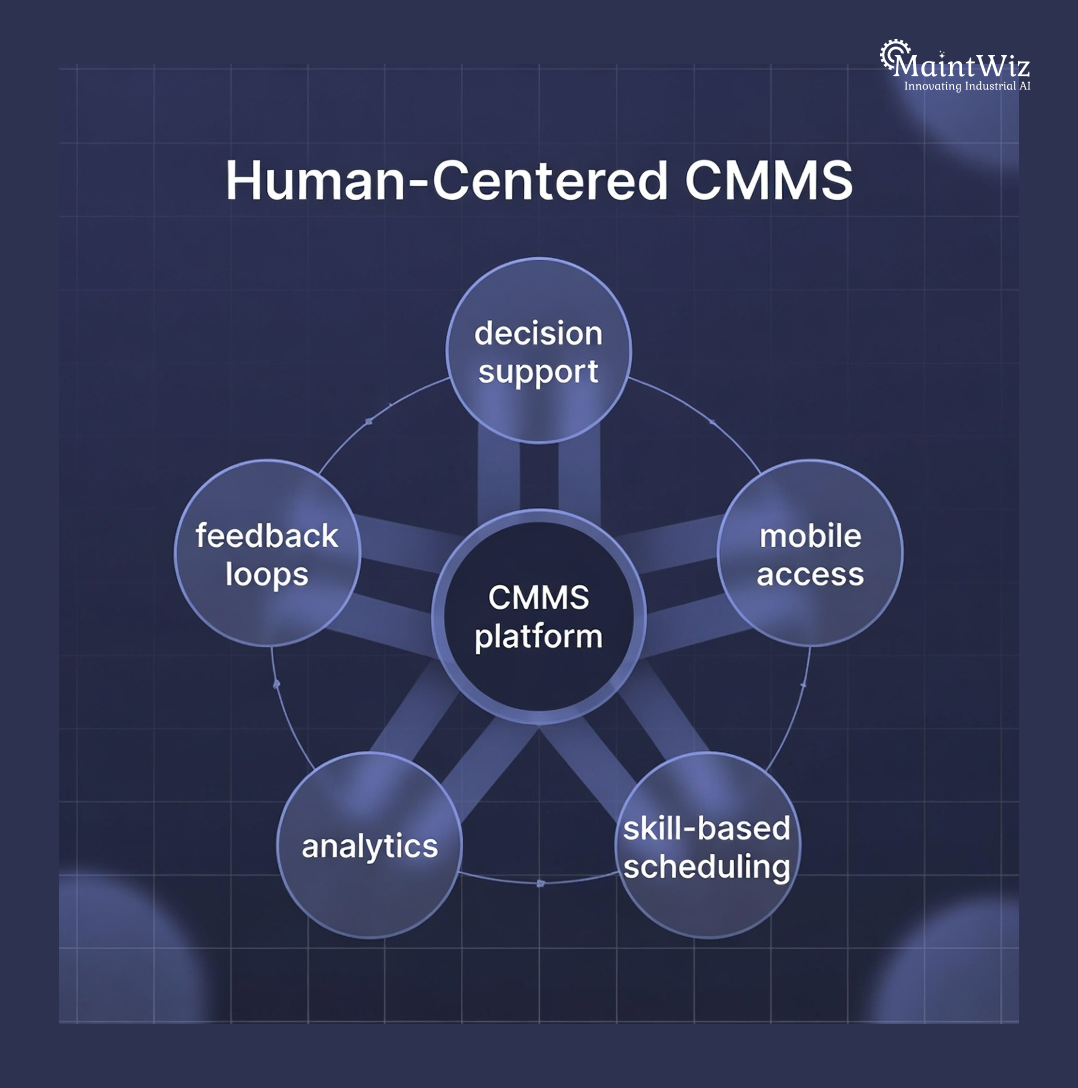
How MaintWiz Supports Human-Centered Maintenance:
- AI-Powered Predictive Insights for Reduced Cognitive Load
MaintWiz’s AI translates complex condition data into clear, prioritized maintenance work orders — making decision-making simpler and faster. - Mobile Accessibility for Work-as-Done Execution
Technicians can access work orders, instructions, and real-time KPIs on mobile devices — eliminating paper and enabling instant recording of work done. - Integrated Asset Management for Contextual Awareness
A centralized view of asset history, condition, and performance empowers teams to plan maintenance that matches real operational contexts. - Workforce Competency Mapping and Scheduling
MaintWiz’s maintenance competency management aligns tasks with technician skills — reducing errors and improving confidence. - Smart Scheduling and Resource Forecasting
Intelligence-driven scheduling ensures humans aren’t overloaded with work — aligning tasks with availability and skills for better outcomes. - Real-Time Alerts Tailored to Priority
Prioritized alerts reduce noise, enabling technicians to act on what matters most without distraction. - Compliance, Safety Permits, and Documentation
Built-in safety permitting and documentation ensures humans stay safe and compliant with minimal administrative burden.
Summary:
When maintenance systems consider humans first, plants achieve measurable reliability gains — fewer breakdowns, lower errors, and higher engagement. MaintWiz CMMS is purpose-built to support this human-centric transformation.


Jai Balachandran is an industry expert with a proven track record in driving digital transformation and Industry 4.0 technologies. With a rich background in asset management, plant maintenance, connected systems, TPM and reliability initiatives, he brings unparalleled insight and delivery excellence to Plant Operations.
Company
Download App