





Work Order Management System: From Task Tracking to


Decision Control

A work order management system was once viewed as a transactional tool—designed to assign tasks, track completion, and document maintenance activities. That definition is now obsolete.

In modern industrial environments, where asset complexity is rising and downtime costs are escalating, the role of a work order management system has fundamentally evolved. It is no longer about tracking work—it is about controlling decisions, orchestrating workflows, and enabling predictive operations at scale.

Organizations that continue to treat work order management as an administrative function will struggle with inefficiency, fragmented data, and reactive maintenance cycles. Those that elevate it into a strategic control layer gain a measurable advantage in reliability, cost optimization, and operational agility.

This blog explores how a work order management system transitions from task tracking to decision control—and how maintenance leaders can operationalize this shift.

What Is a Work Order Management System in Modern Maintenance?

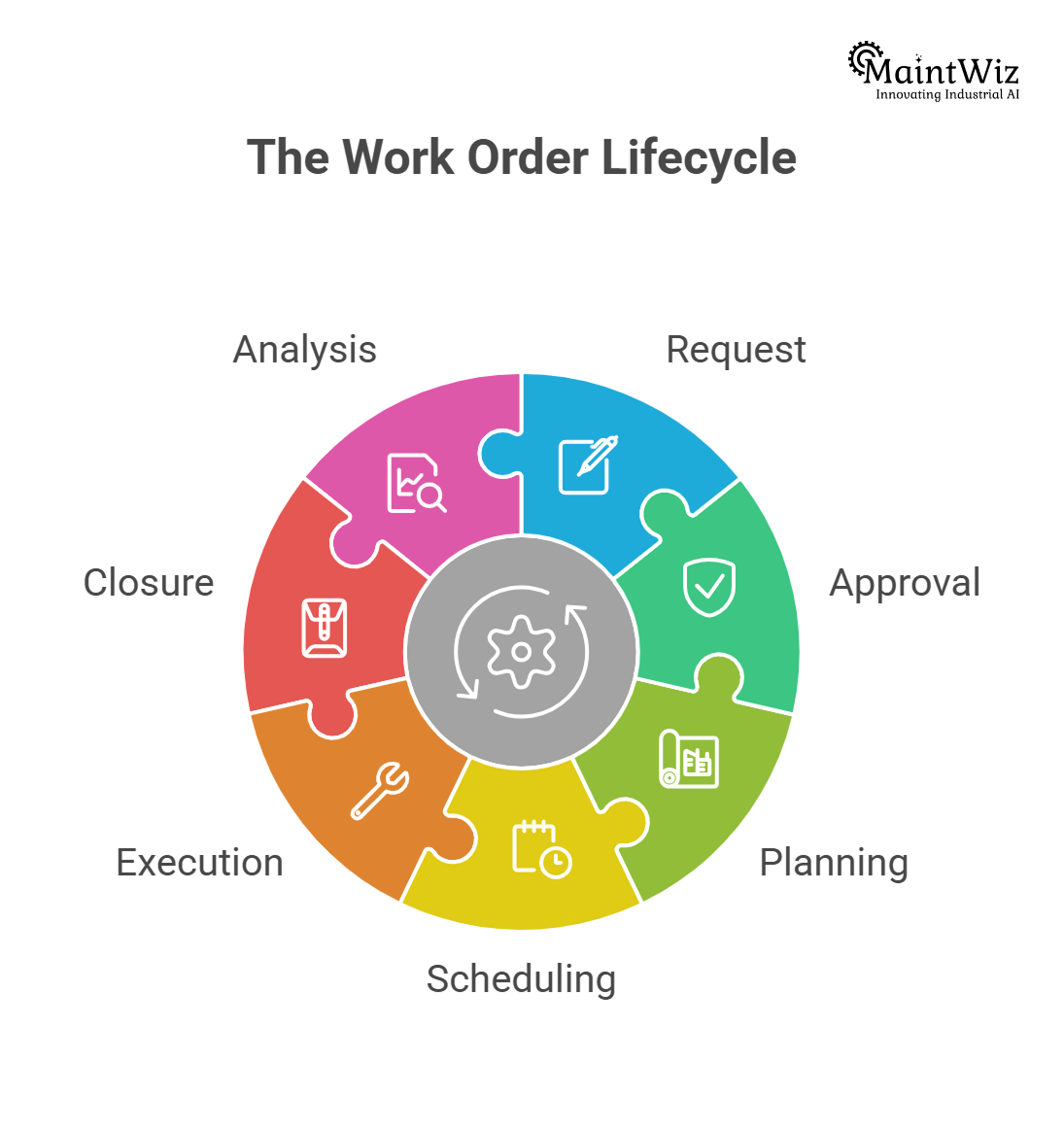
A work order management system is a structured digital platform that manages the lifecycle of maintenance activities—from request initiation to execution, validation, and analysis.

work order lifecycle stages in CMMS system

However, in high-performing organizations, it extends beyond execution into:

  • Decision orchestration
  • Resource optimization
  • Data-driven planning
  • Reliability engineering integration

How does a work order management system function in CMMS?

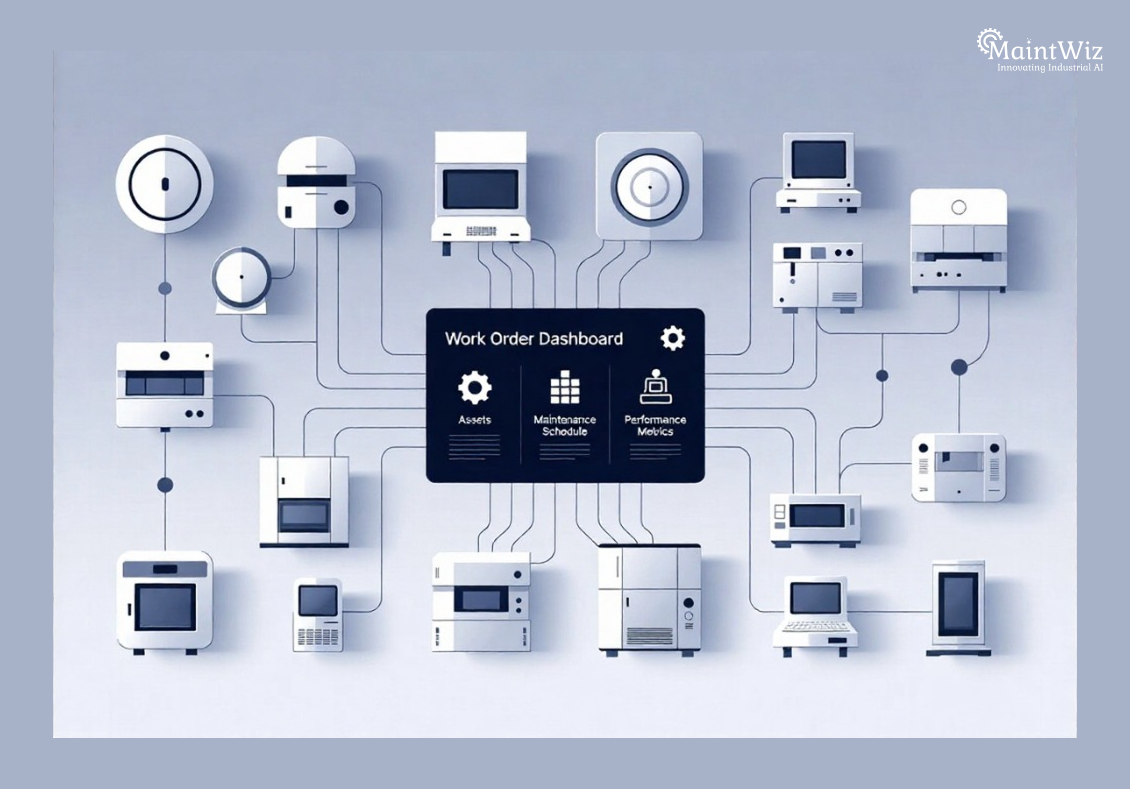
At its core, the system integrates:

  • Asset data
  • Maintenance schedules
  • Workflows and approvals
  • Technician execution data

But its real value lies in how effectively it converts this data into actionable intelligence.

Why Traditional Work Order Tracking Systems Fail at Scale

The limitations of task-based work order management

Legacy systems operate on a linear model:

  • Create work order
  • Assign technician
  • Execute task
  • Close work order

This approach creates visibility—but not intelligence.

work order backlog and inefficiency in traditional maintenance systems

Why do maintenance teams struggle with work order backlog?

Common structural issues include:

  • Excessive manual work order creation
  • Poor prioritization logic
  • Lack of asset criticality mapping
  • No integration with predictive insights

As asset volumes grow, these inefficiencies compound, resulting in:

  • Increasing backlog
  • Delayed maintenance cycles
  • Rising downtime

What are the risks of reactive work order management?

Reactive systems lead to:

  • Higher failure rates
  • Increased maintenance costs
  • Reduced asset lifespan
  • Inefficient resource utilization

The problem is not execution—it is decision latency and poor orchestration.

From Work Order Tracking to Decision Control: The Strategic Shift

What is decision-driven work order management?

A decision-driven work order management system transforms maintenance operations by embedding intelligence into every stage of the workflow.

It enables:

  • Prioritization based on asset criticality
  • Dynamic scheduling based on real-time conditions
  • Predictive maintenance execution
  • Continuous performance optimization

How does a work order management system improve decision-making?

By integrating data across systems, it provides:

  • Contextual insights
  • Predictive alerts
  • Scenario-based planning

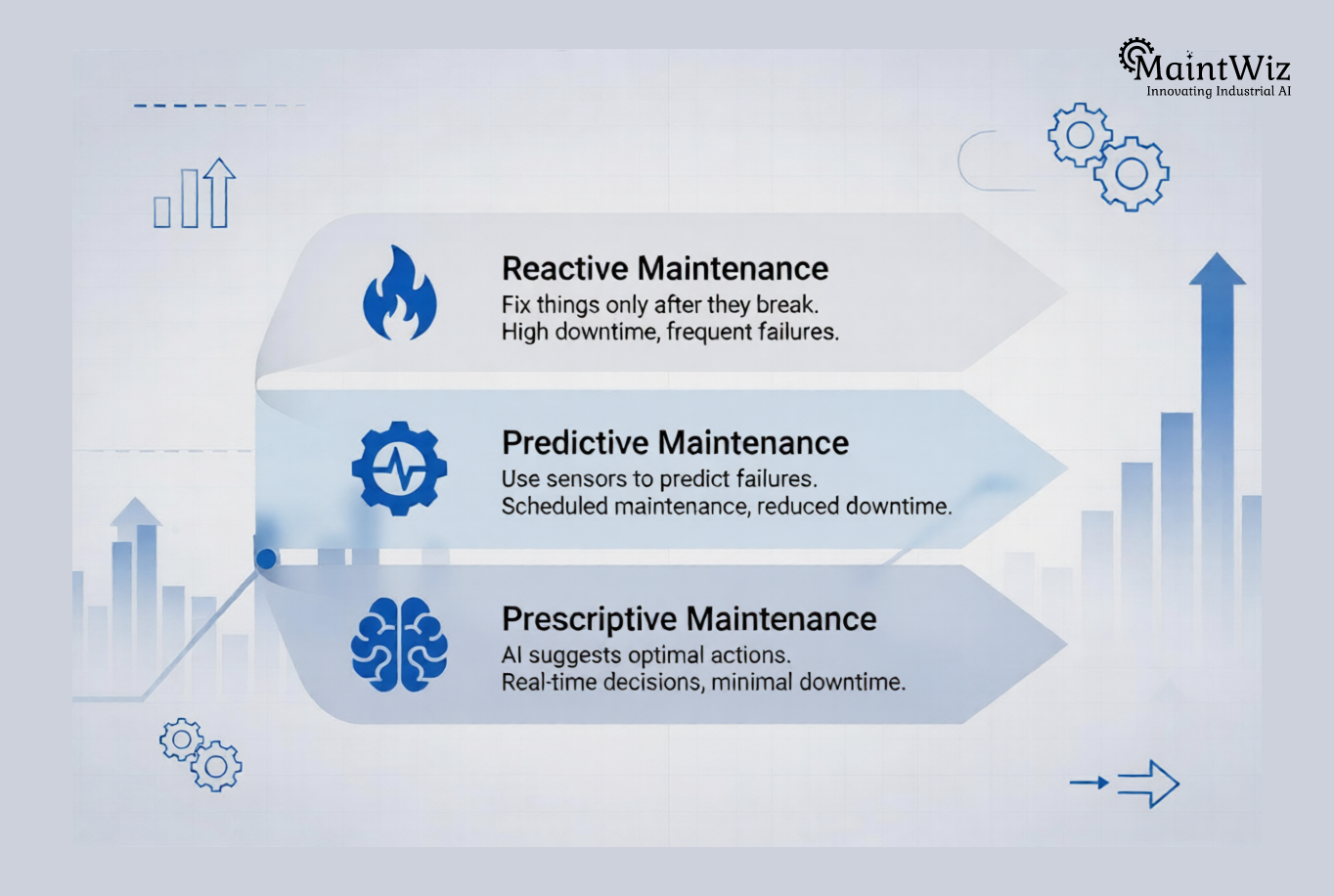
This shifts maintenance from:

  • Reactive → Proactive
  • Proactive → Predictive
  • Predictive → Prescriptive
decision driven work order management system with predictive maintenance

Key Capabilities of an Advanced Work Order Management System

  1. Intelligent Work Order Creation
  • Automated generation based on triggers
  • Integration with IoT and condition monitoring
  • Elimination of manual duplication
  1. Asset-Centric Workflow Design
  • Alignment with asset hierarchy
  • Context-aware task execution
  • Criticality-based prioritization
  1. Dynamic Scheduling and Resource Optimization
  • Real-time technician allocation
  • Route optimization
  • Capacity planning
multi asset work order management in CMMS system
  1. Multi-Asset Work Order Management
  • Grouping similar assets into single workflows
  • Reducing administrative overhead
  • Increasing execution efficiency
  1. Data-Driven Execution and Feedback Loops
  • Real-time data capture
  • Automated reporting
  • Continuous improvement cycles

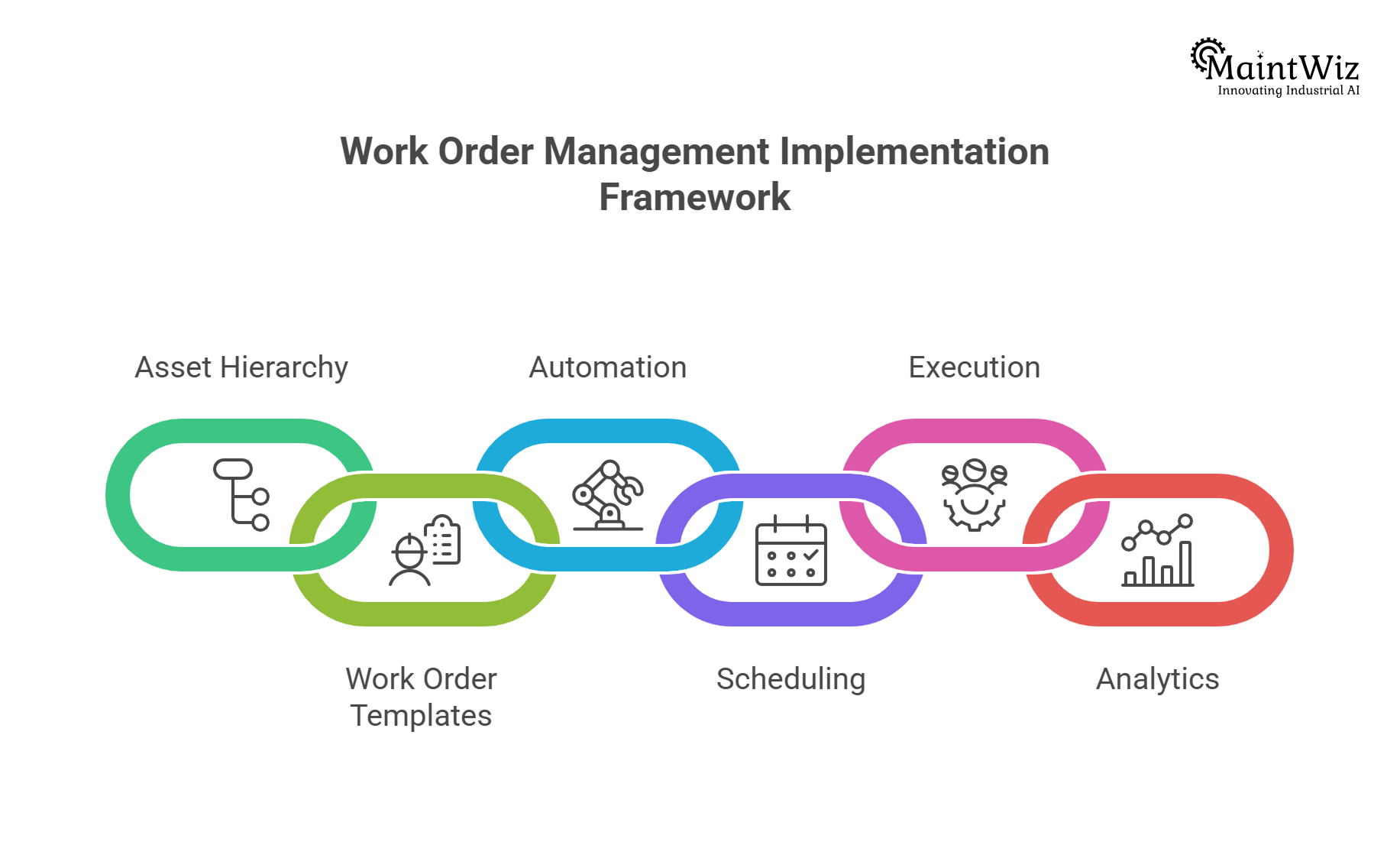
How to Implement a Work Order Management System for Maximum Efficiency

work order management system implementation steps

Step 1: Define Asset Hierarchy and Criticality

A structured asset hierarchy enables:

Step 2: Standardize Work Order Templates

Templates should include:

  • Task sequences
  • Safety protocols
  • Resource requirements

This ensures consistency and reduces execution variability.

Step 3: Automate Work Order Generation

Use:

  • Preventive maintenance schedules
  • Condition-based triggers
  • Predictive analytics

to eliminate manual intervention.

Step 4: Optimize Scheduling and Dispatch

Adopt:

  • Batch scheduling
  • Route-based planning
  • Skill-based assignment

to maximize technician productivity.

Step 5: Enable Mobile Execution

Technicians should have access to:

  • Digital work orders
  • Real-time updates
  • Data capture tools

This reduces delays and improves accuracy.

Step 6: Establish Performance Metrics

Track:

  • Work order completion rates
  • Backlog trends
  • MTTR and MTBF
  • Technician utilization

Work Order Management System Use Cases Across Industries

Manufacturing

Facilities Management

  • HVAC maintenance
  • Electrical systems monitoring
  • Compliance tracking

Utilities and Energy

Oil and Gas

  • Field equipment servicing
  • Remote asset monitoring
  • Safety-critical maintenance workflows

Common Mistakes in Work Order Management System Implementation

Over-Reliance on Manual Processes

Manual workflows limit scalability and introduce errors.

Lack of Integration

Disconnected systems lead to:

  • Data silos
  • Poor decision-making
  • Inefficient operations

Ignoring Data Quality

Inaccurate data results in:

  • Faulty insights
  • Poor planning
  • Ineffective execution

No Continuous Improvement Framework

Without feedback loops, organizations cannot:

  • Optimize workflows
  • Improve reliability
  • Reduce costs

KPIs to Measure Work Order Management System Performance

A high-performing work order management system must be evaluated using measurable metrics:

  • Work order completion rate
  • Maintenance backlog
  • Mean Time to Repair (MTTR)
  • Mean Time Between Failures (MTBF)
  • Planned vs unplanned maintenance ratio
  • Technician productivity
  • Maintenance cost per asset

These KPIs provide visibility into both operational efficiency and strategic impact.

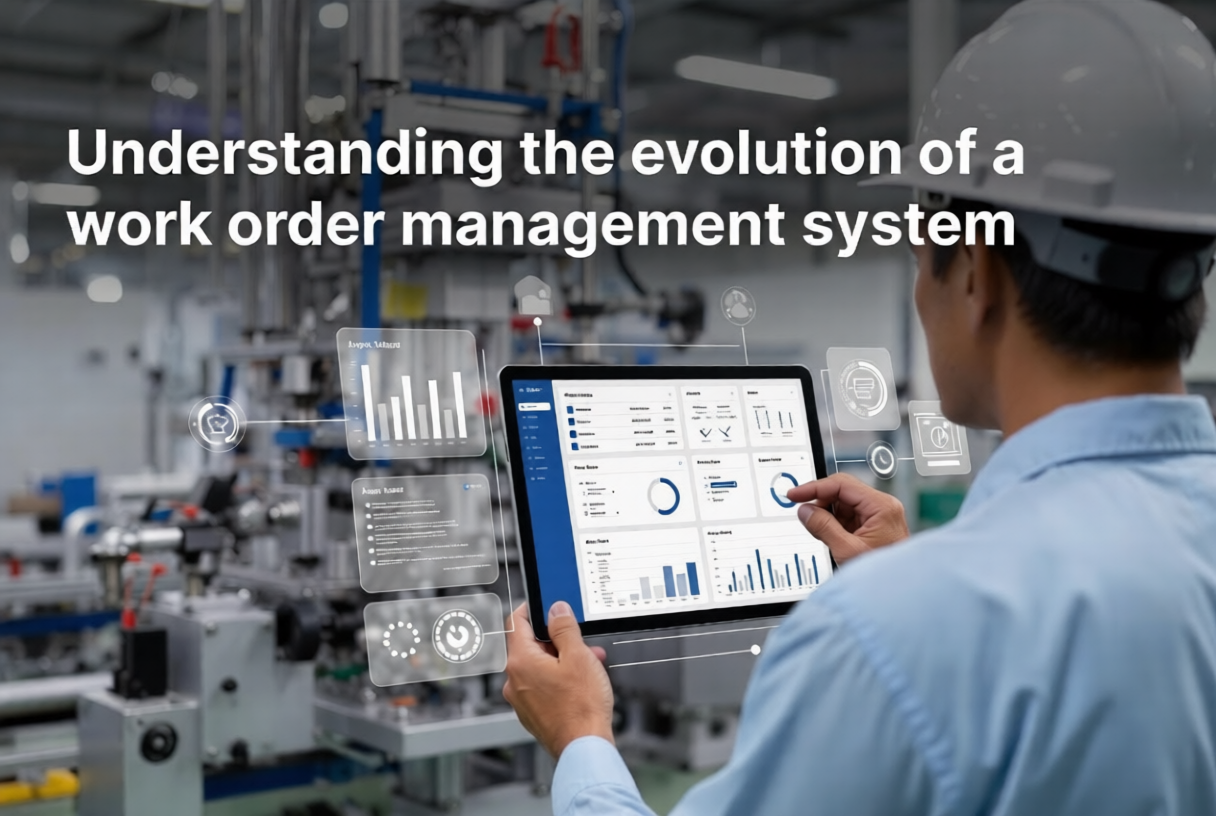
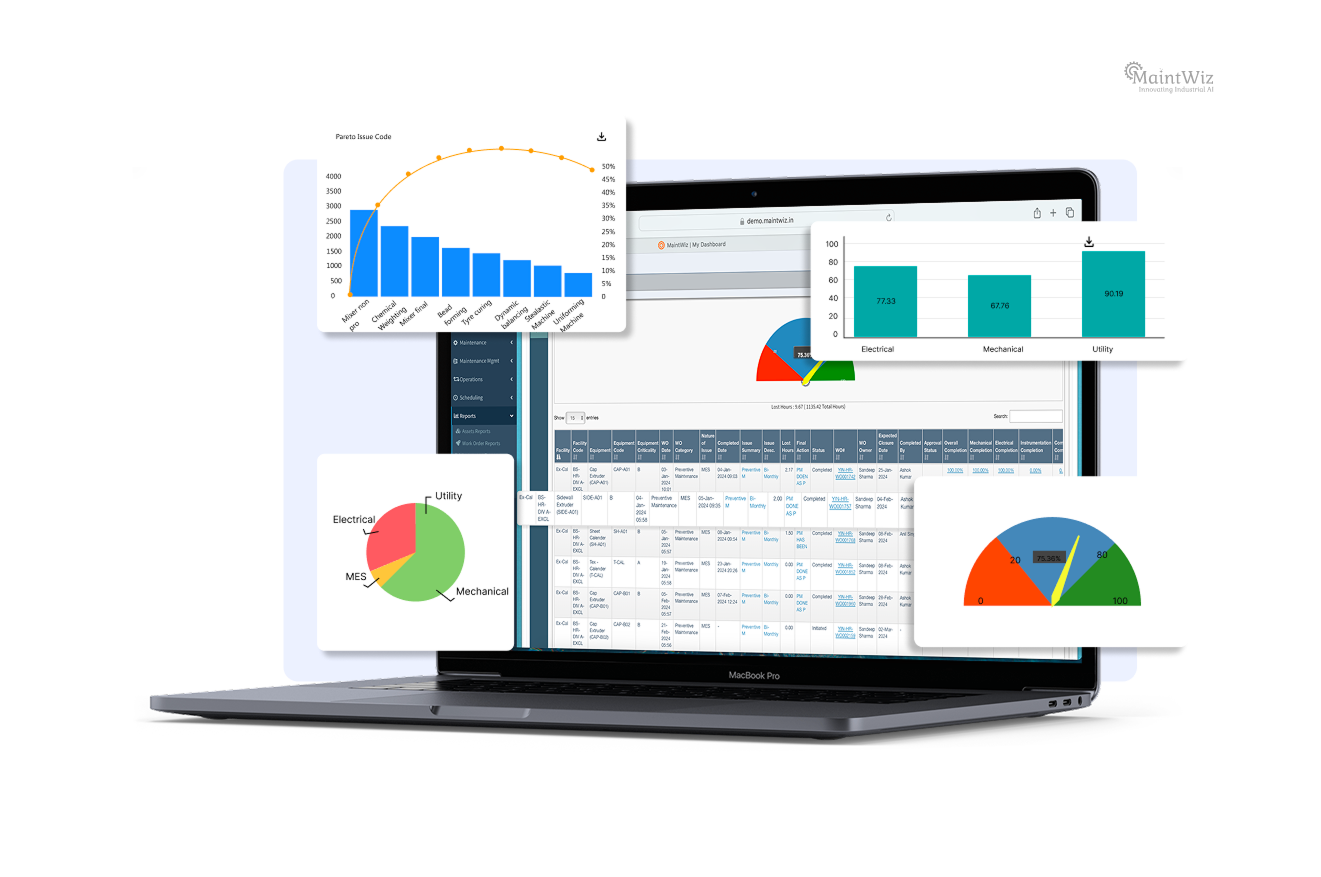
Laptop displaying a CMMS dashboard with multiple overlaid analytics charts, including Pareto analysis, bar charts, pie charts, and performance gauges for electrical, mechanical, and utility maintenance.

How MaintWiz CMMS Enables Decision-Driven Work Order Management

A work order management system requires a robust digital foundation to transition from execution to decision control. MaintWiz CMMS is designed to enable this transformation.

Asset Reliability Enablement

MaintWiz structures maintenance around:

  • Asset hierarchy
  • Criticality mapping
  • Standardized workflows

This ensures maintenance decisions are aligned with business priorities.

Predictive Maintenance Integration

By integrating predictive analytics:

  • Work orders are generated based on asset condition
  • Failures are prevented rather than reacted to
  • Maintenance cycles become optimized

Planning and Scheduling Optimization

MaintWiz supports:

  • Automated work order generation
  • Template-driven workflows
  • Dynamic scheduling

This significantly reduces planning effort while improving execution efficiency.

Advanced Analytics and Insights

MaintWiz provides:

This enables maintenance leaders to make informed, data-driven decisions.

Relevance for a 90-Day Execution Sprint

For organizations seeking rapid transformation:

  • Work order optimization delivers immediate ROI
  • MaintWiz accelerates implementation through pre-configured modules
  • Measurable improvements can be achieved within 90 days

This makes it a practical solution for scaling maintenance efficiency quickly.

The Future of Work Order Management Systems

AI powered work order management system with predictive maintenance

The next generation of work order management systems will be defined by:

  • AI-driven decision-making
  • Autonomous scheduling
  • Integration with digital twins
  • Predictive and prescriptive maintenance convergence

In this environment, work orders will no longer be static records—they will be dynamic decision engines.

Organizations that adopt this model will achieve:

  • Higher asset reliability
  • Lower operational costs
  • Greater agility in maintenance execution

Conclusion

The evolution of the work order management system reflects a broader shift in maintenance philosophy—from execution to intelligence.

Organizations that continue to operate with task-centric systems will face increasing inefficiencies and operational risk. Those that embrace decision-driven work order management will unlock:

  • Scalable efficiency
  • Predictive capabilities
  • Strategic control over maintenance operations

In a competitive industrial landscape, the difference between operational excellence and inefficiency lies not in how much work is done—but in how intelligently that work is managed.

FAQs

What is a work order management system?

A work order management system is a digital platform that manages the creation, execution, and tracking of maintenance tasks while enabling data-driven decision-making.

How does a work order management system improve maintenance efficiency?

It automates workflows, optimizes scheduling, reduces backlog, and provides insights for better decision-making.

What are the key features of a modern work order management system?

Key features include automation, predictive maintenance integration, dynamic scheduling, asset hierarchy, and analytics.

How can a work order management system reduce downtime?

By enabling proactive and predictive maintenance, improving scheduling, and ensuring timely execution.

What industries benefit from work order management systems?

Manufacturing, facilities management, utilities, and oil & gas industries benefit significantly.

jai

Jai Balachandran is an industry expert with a proven track record in driving digital transformation and Industry 4.0 technologies. With a rich background in asset management, plant maintenance, connected systems, TPM and reliability initiatives, he brings unparalleled insight and delivery excellence to Plant Operations.