Shutdown Auditing: Compliance and Performance Review
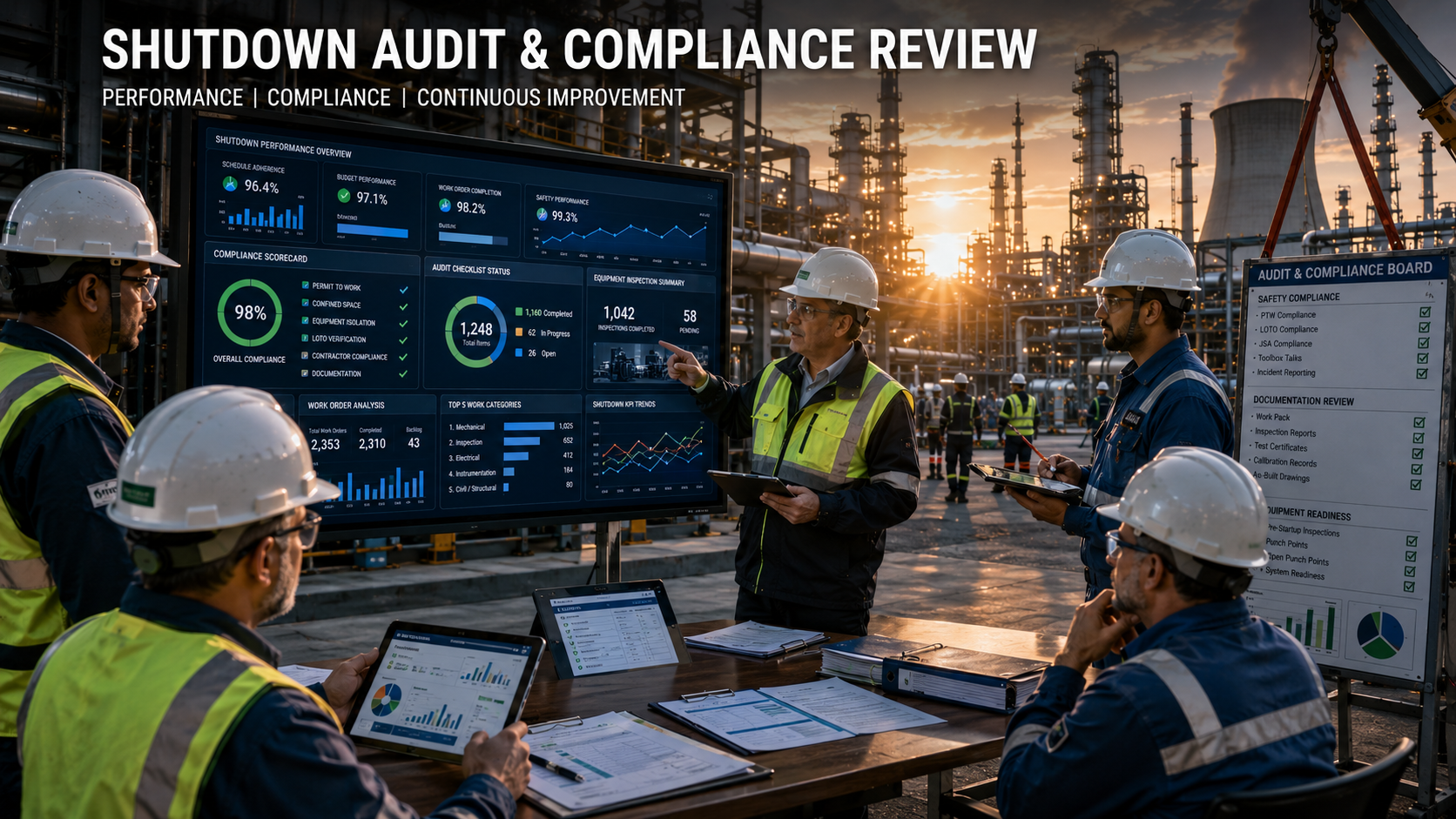
Every shutdown tells a story. Not just about equipment condition, but about discipline, governance, contractor control, safety rigor, and financial stewardship. A well-executed shutdown can still hide compliance gaps, cost leakages, and performance inefficiencies that only a structured shutdown audit can uncover. In high-risk, asset-intensive industries, shutdown auditing is no longer optional — it is a strategic control mechanism that protects uptime, reputation, and capital.
This guide provides a comprehensive framework for conducting a shutdown compliance audit and performance review, helping organizations convert shutdowns into measurable reliability and governance milestones.
Why Shutdown Audits Matter at the Executive Level
Shutdowns concentrate risk, cost, and operational exposure into a short time window. Without systematic auditing, hidden failures in planning, execution, and compliance remain unaddressed, repeating in the next outage cycle.
- Operational Risk Governance – Shutdown audits reveal procedural deviations, safety gaps, and work control weaknesses that could lead to catastrophic asset failures.
- Regulatory Compliance Assurance – A structured shutdown compliance audit confirms adherence to statutory inspections, certifications, and mandated maintenance intervals.
- Cost Control Transparency – Audits expose budget overruns, contractor inefficiencies, and material mismanagement that inflate total shutdown cost of ownership.
- Performance Benchmarking Insights – Reviewing schedule, productivity, and quality metrics enables benchmarking across sites, units, and future shutdown events.
- Continuous Improvement Culture – Formal shutdown audits institutionalize learning loops, preventing recurrence of planning, execution, and coordination mistakes.

Scope of a Comprehensive Shutdown Audit
A high-impact shutdown audit goes beyond checklist verification. It integrates compliance validation, performance analysis, documentation control, and governance review into one structured assessment.
- Shutdown Planning Audit Scope – Evaluates job scoping accuracy, task sequencing logic, resource loading, and risk identification prior to shutdown start.
- Work Execution Compliance Review – Verifies that field work followed approved procedures, safety protocols, and technical specifications without unauthorized deviations.
- Inspection & Statutory Compliance Check – Confirms completion and documentation of all mandatory inspections, certifications, and regulatory testing requirements.
- Cost and Budget Adherence Analysis – Reviews variance between planned versus actual costs, identifying root causes of overrun and contract inefficiencies.
- Shutdown Performance Metrics Evaluation – Assesses schedule adherence, productivity rates, backlog carryover, and post-startup failure incidents.
Shutdown Compliance Audit Framework
Compliance is the backbone of shutdown auditing. Industries such as oil & gas, power, chemicals, cement, and heavy manufacturing operate under stringent regulatory mandates where audit failure carries legal and reputational consequences.
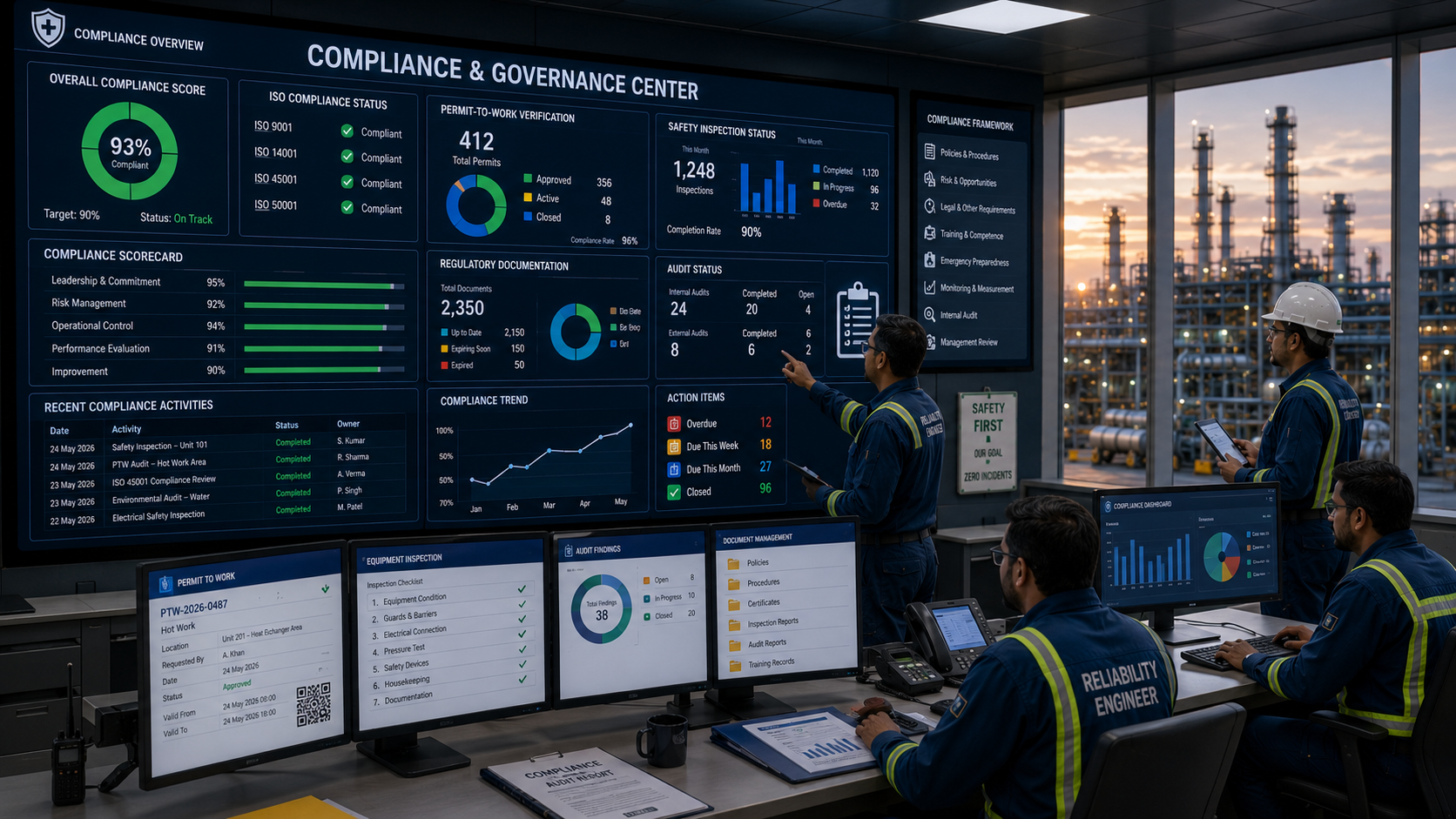
- Permit-to-Work Compliance Verification – Confirms proper issuance, closure, and control of work permits for confined space, hot work, electrical isolation, and hazardous tasks.
- Lockout-Tagout (LOTO) Audit Controls – Validates energy isolation procedures were followed, documented, and verified before maintenance execution began.
- Statutory Inspection Record Validation – Ensures pressure vessels, lifting equipment, boilers, and safety devices were inspected and certified per regulatory timelines.
- Environmental Compliance Audit Trails – Reviews waste handling, emissions controls, and hazardous material procedures followed during shutdown activities.
- Contractor Safety Compliance Checks – Confirms contractor training records, certifications, and safety adherence during high-risk shutdown operations.
Shutdown Performance Review Methodology
Beyond compliance, a shutdown audit evaluates how effectively the outage achieved its operational objectives — schedule, quality, cost, and reliability improvement.
- Schedule Adherence Performance Review – Measures planned versus actual duration, identifying delay drivers like scope creep, rework, or poor coordination.
- Shutdown Productivity Rate Analysis – Evaluates labor productivity per trade and contractor, benchmarking performance against historical shutdown norms.
- Rework and Quality Defect Assessment – Quantifies repeat work caused by poor workmanship, incomplete inspections, or procedural non-compliance.
- Scope Growth and Change Control Review – Audits how emergent work was approved, prioritized, and documented during shutdown execution.
- Post-Startup Failure Trend Analysis – Tracks early-life equipment failures after startup to identify shutdown quality gaps and missed defects.
Key Documents Reviewed in a Shutdown Audit
Documentation integrity is central to any shutdown compliance audit. Missing or inconsistent records are early warning signs of deeper process weaknesses.
- Approved Shutdown Worklists – Baseline scope documents used to verify whether executed work matched pre-approved maintenance and inspection plans.
- Job Safety Analysis (JSA) Records – Confirms hazard identification and mitigation planning were performed for critical shutdown activities.
- Inspection and Test Reports – Validates that equipment inspections, NDT results, calibrations, and pressure tests were documented correctly.
- Contractor Performance Logs – Reviews contractor attendance, productivity tracking, safety incidents, and quality performance records.
- Shutdown Cost Tracking Reports – Examines labor, materials, and service costs recorded during shutdown to verify financial control.
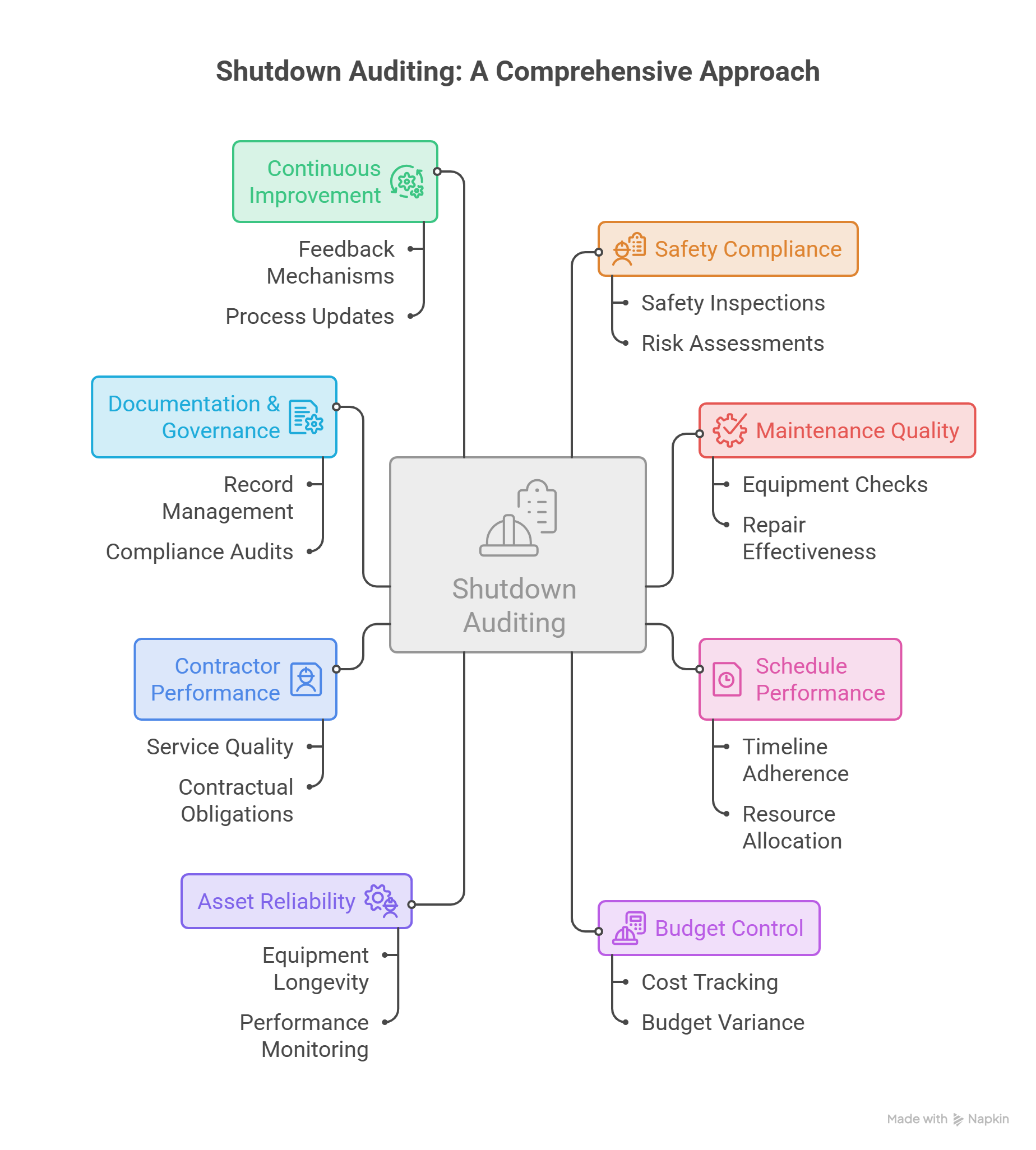
Common Shutdown Audit Findings Across Industries
Patterns repeat across refineries, power plants, cement kilns, steel mills, and process industries. Recognizing recurring audit gaps helps organizations strengthen shutdown governance.
- Inadequate Scope Freeze Discipline – Late additions to shutdown scope create schedule overruns, resource strain, and increased safety exposure.
- Poor Contractor Work Quality Control – Weak inspection hold points allow substandard workmanship to pass unnoticed until post-startup failures occur.
- Incomplete Compliance Documentation – Missing statutory certificates or inspection records create legal exposure and audit non-conformities.
- Ineffective Shutdown Cost Monitoring – Lack of real-time cost tracking prevents early detection of overruns during execution.
- Weak Lessons Learned Integration – Findings from previous shutdowns are not institutionalized into planning standards for future events.
Industry-Specific Shutdown Compliance Nuances
Each sector faces unique regulatory and operational demands that shape how a shutdown compliance audit should be structured.
- Refinery Turnaround Compliance Risks – Pressure vessel certifications, flare system inspections, and hazardous area controls demand strict audit scrutiny.
- Power Plant Outage Audit Focus – Boiler inspections, turbine overhauls, and grid compliance testing require detailed statutory documentation checks.
- Cement Kiln Shutdown Audit Points – Refractory integrity inspections, cooler system checks, and emission control compliance are critical review areas.
- Steel Plant Maintenance Audit Risks – Heavy lifting compliance, high-temperature equipment safety, and structural integrity checks dominate audit scope.
- Water & Wastewater Plant Audit Needs – Environmental discharge compliance, pump system reliability checks, and electrical safety audits are central.
Best Practices for Effective Shutdown Auditing
Leading organizations treat shutdown auditing as a structured governance process, not a post-event formality.
- Predefined Shutdown Audit Criteria – Establish audit checklists and performance metrics before shutdown begins to ensure objective, standardized evaluation.
- Independent Audit Team Structure – Use cross-functional auditors separate from execution teams to maintain impartial performance and compliance assessment.
- Digital Documentation Control Systems – Centralized digital records prevent missing documents and enable traceable compliance evidence during audits.
- Real-Time Data Capture During Shutdown – Logging progress, inspections, and deviations live reduces reliance on post-event recollection and incomplete records.
- Formal Lessons Learned Closure Process – Convert audit findings into tracked action plans assigned to owners before the next shutdown cycle begins.
Shutdown Audit vs. Shutdown Performance Review
| Aspect | Shutdown Compliance Audit | Shutdown Performance Review |
|---|---|---|
| Primary Focus | Regulatory adherence, procedural compliance, documentation integrity | Schedule, cost, productivity, quality, and reliability outcomes |
| Objective | Ensure legal and safety conformity | Improve efficiency and operational performance |
| Key Data Sources | Permits, inspection certificates, safety records | Schedule data, cost reports, labor productivity metrics |
| Risk of Failure | Legal penalties, safety incidents, compliance violations | Budget overruns, extended downtime, repeat failures |
| Outcome | Compliance assurance and governance validation | Continuous improvement and performance optimization |
Turning Shutdown Audits into Competitive Advantage
Organizations that excel at shutdown auditing do more than stay compliant — they shorten future outages, reduce lifecycle cost, and improve asset reliability.
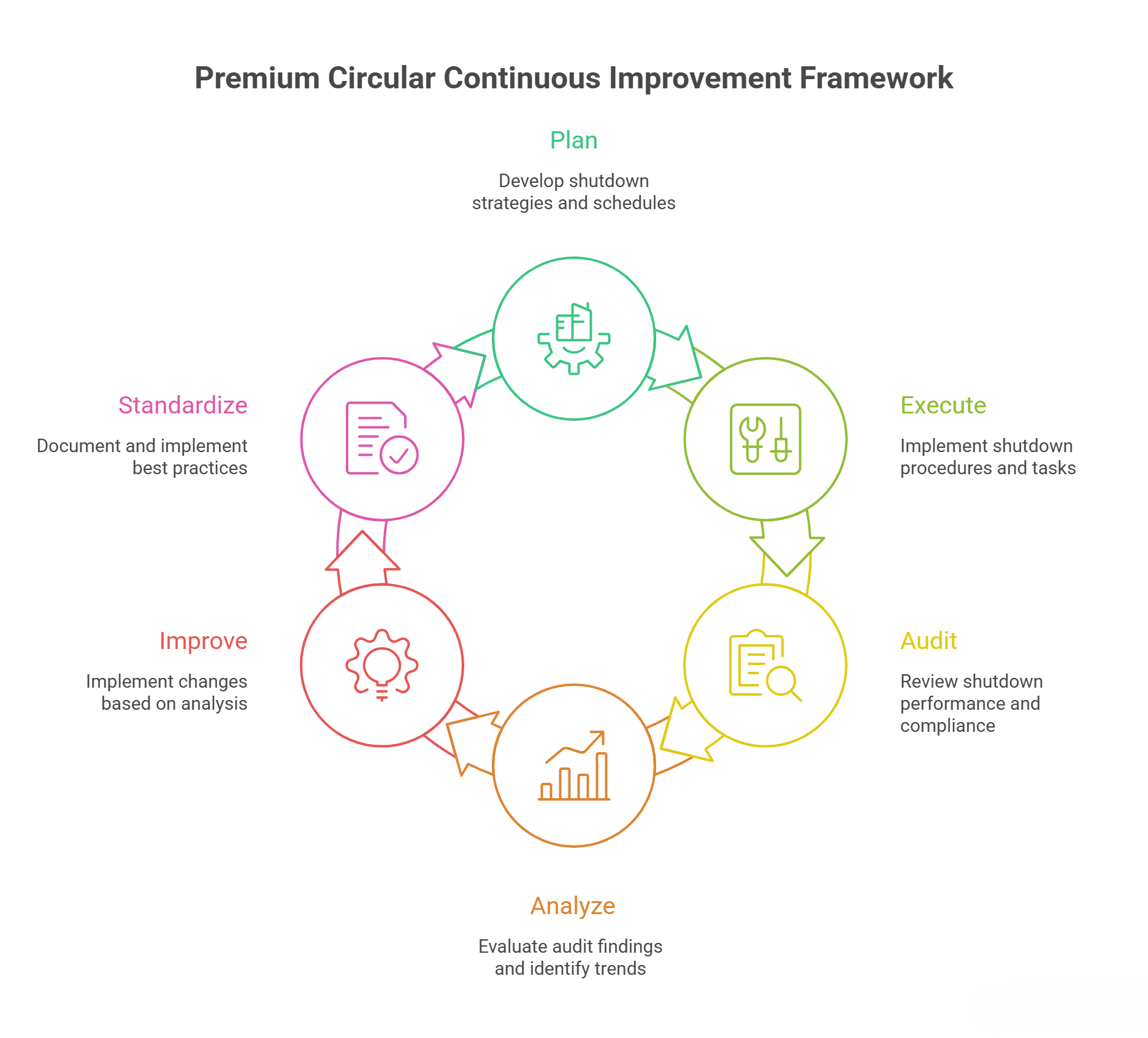
- Data-Driven Shutdown Planning Improvements – Audit insights refine job scoping accuracy, reducing emergent work and schedule volatility in future shutdowns.
- Improved Contractor Accountability Systems – Performance reviews create transparent scorecards that elevate contractor quality and productivity standards.
- Reduced Repeat Failure Rates – Quality audits ensure defects are fully resolved, minimizing post-startup breakdowns and early-life failures.
- Stronger Safety and Compliance Culture – Visible audit rigor reinforces disciplined adherence to procedures across the maintenance organization.
- Lower Total Cost of Ownership (TCO) – Fewer delays, less rework, and better quality directly reduce lifecycle maintenance and production loss costs.
How MaintWiz CMMS Strengthens Shutdown Auditing and Compliance
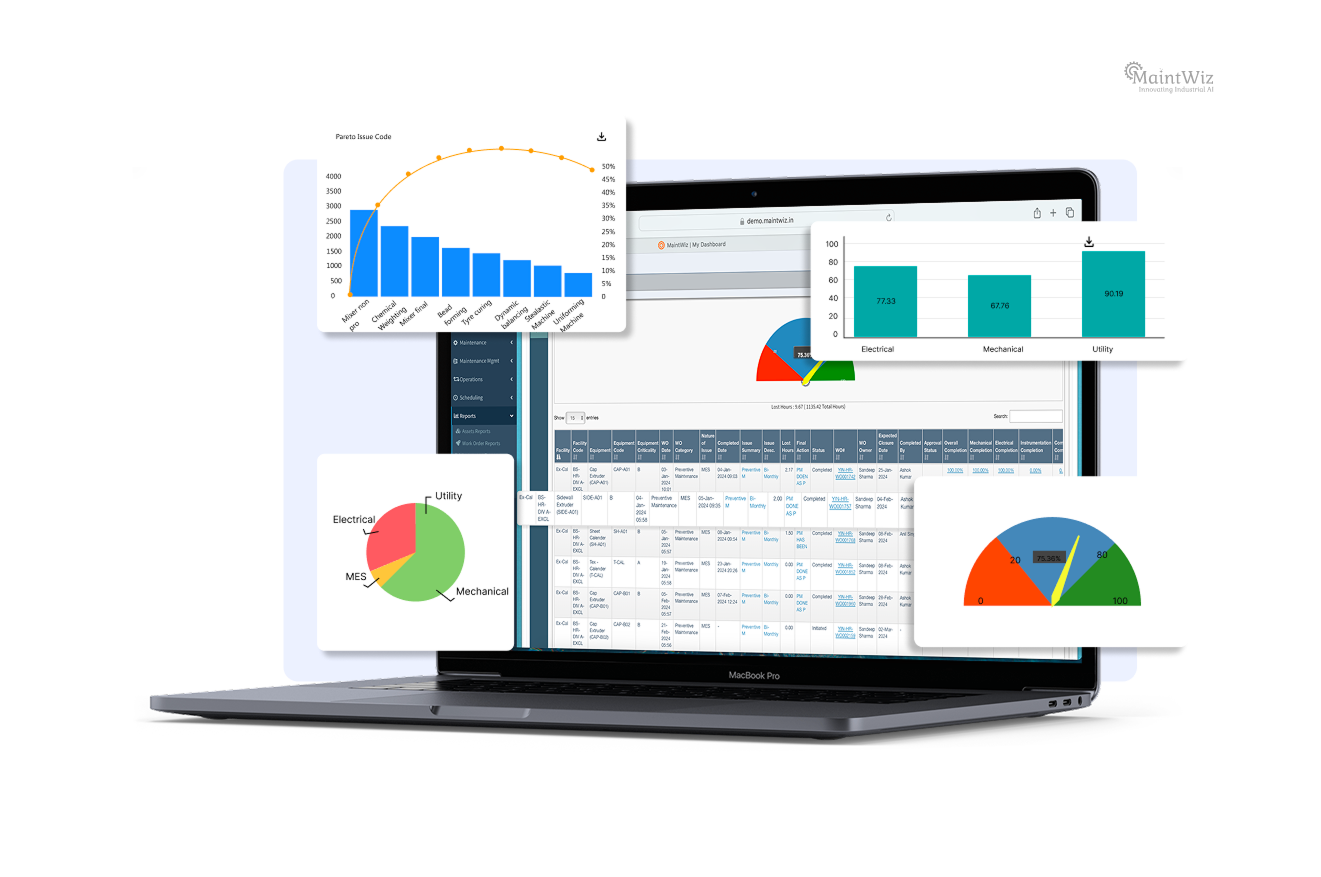
Executing a world-class shutdown audit requires structured data, traceable documentation, and end-to-end visibility across planning, execution, and review. MaintWiz CMMS supports this governance layer by digitizing shutdown workflows and creating a defensible compliance trail.
- Centralized Shutdown Work Order Control – MaintWiz organizes shutdown tasks, approvals, and execution records in one structured system, simplifying audit traceability.
- Digital Permit and Safety Documentation – Electronic permit tracking and safety records provide verifiable compliance evidence during shutdown compliance audits.
- Inspection and Checklist Traceability – Standardized digital inspection forms ensure critical statutory and technical checks are recorded consistently.
- Contractor Performance Visibility – Work completion logs, delays, and quality observations help evaluate contractor performance during shutdown performance reviews.
- Shutdown Cost and Resource Tracking – Integrated labor and material tracking supports accurate variance analysis for post-shutdown financial audits.
- Audit Trail and Document History – Time-stamped records create a defensible audit trail, essential for regulatory reviews and internal governance.
- Lessons Learned Knowledge Repository – MaintWiz captures shutdown observations and improvement actions, feeding structured learning into future STO planning cycles.
By aligning digital maintenance workflows with audit-ready documentation, MaintWiz transforms shutdown auditing from a reactive compliance exercise into a proactive performance management discipline.
Ready to make every shutdown auditable, compliant, and performance-driven? MaintWiz CMMS helps organizations standardize shutdown governance, strengthen compliance control, and continuously improve outage outcomes across assets and sites.

Company
Download App