
IoT Integration in Shutdown Monitoring: Real-Time
Intelligence That Transforms Smart Shutdown Management
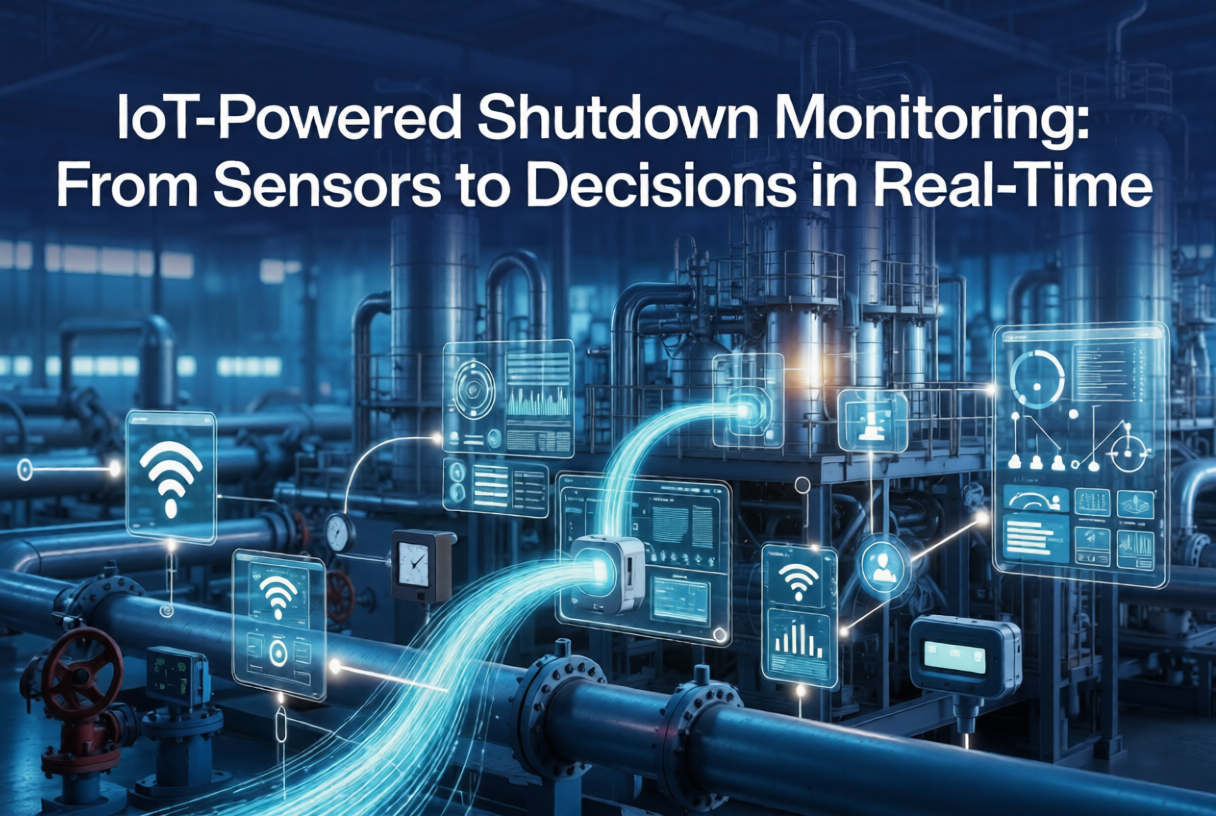
Smart shutdown management powered by IoT shutdown monitoring is no longer a futuristic ideal—it’s the new operational backbone for industrial shutdowns, outages, and turnarounds (STO). In asset-intensive industries, integrating IoT sensors with real-time monitoring transforms opaque, reactive shutdowns into data-driven, intelligent execution. The result: shorter downtime windows, precise interventions, and sustained reliability uplift.
This deep-dive equips maintenance leaders with strategic clarity on how industrial IoT (IIoT) reshapes shutdown monitoring—from sensor integration to automated reporting—anchored in real-world plant realities and enterprise-grade CMMS execution.
Why IoT Matters for Shutdown Monitoring in Industrial Plants
Executive Overview: Shutdowns are high-risk, high-cost events. Real-time data from IoT sensors turns blind spots into predictive insights, enabling more accurate task prioritisation, risk mitigation, and automated responsiveness throughout the shutdown lifecycle.
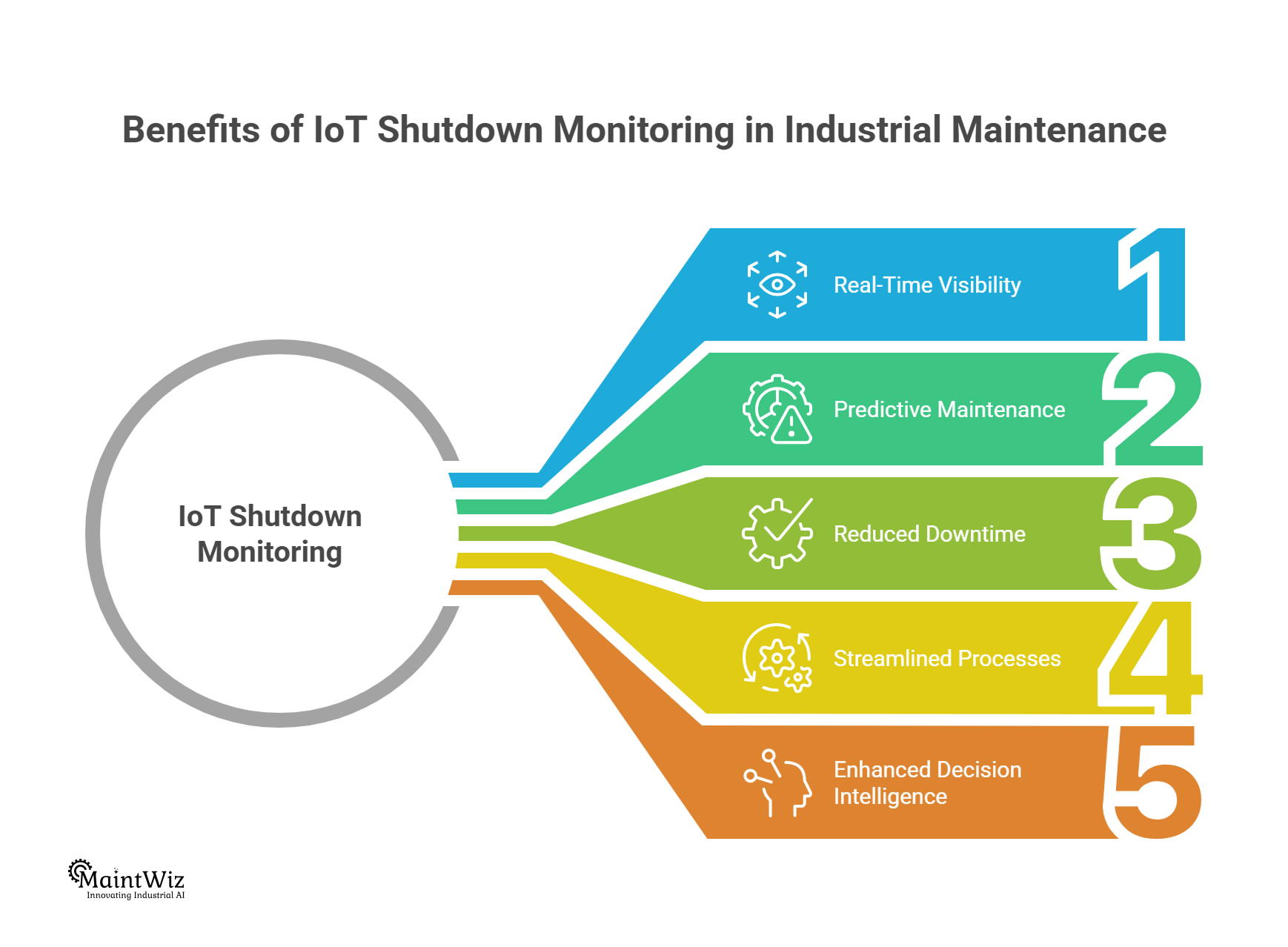
- Real-Time Asset Health Visibility – Continuous tracking of vibration, temperature, pressure, and more avoids late-stage surprises during execution.
- Condition-Based Maintenance Alignment – Maintenance triggers are based on actual asset state, not arbitrary schedules, reducing unnecessary work.
- Reduced Unplanned Downtime – Early detection of anomalies prevents costly production interruptions outside planned windows.
- Data-Driven Decision Confidence – Operators and planners gain synchronized insights from IoT dashboards, boosting cross-team coordination.
- Automated Workflows – Alerts and work orders are auto-generated based on live conditions, cutting manual steps.
Sensor Integration Fundamentals for Smart Shutdown Monitoring
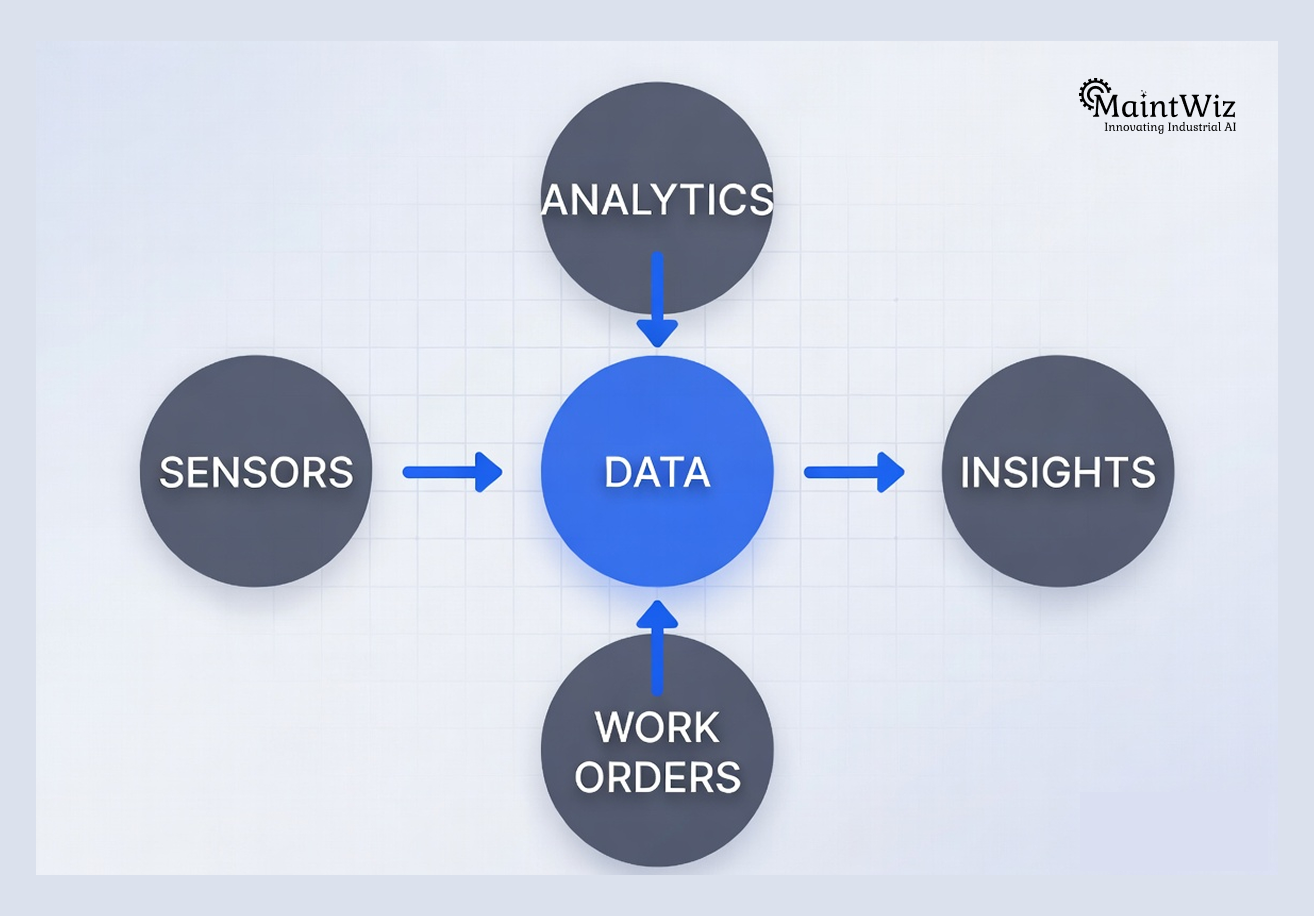
Executive Overview: IoT sensor deployment is foundational. The right mix—vibration, temperature, pressure, humidity, gas and other industrial sensors—feeding live data into a robust CMMS enables real-time intelligence across assets and systems.
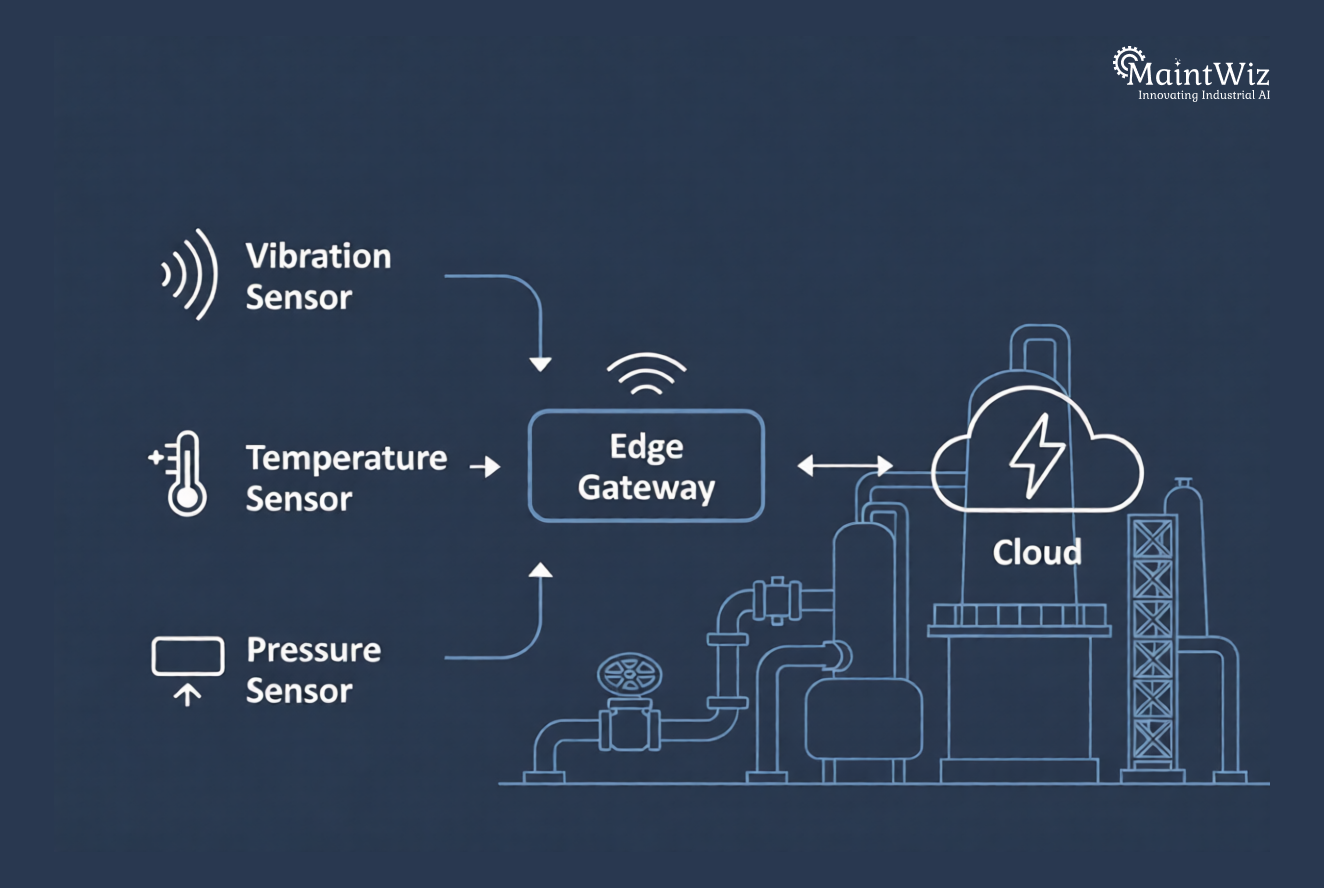
- Industrial Sensor Variety – Choose sensors matched to key failure modes (e.g., bearings, motors, boilers).
- Protocol Compatibility – Support for OPC-UA, MQTT, and Modbus ensures seamless data flow between sensor networks and CMMS.
- Wireless Network Reliability – Robust wireless (e.g., WirelessHART) accelerates deployment and supports dense plant networks.
- Edge Processing – Local pre-processing reduces data bloat and highlights actionable events.
- Security and Resilience – Industrial firewalls, encryption, and resilient protocols safeguard IoT data streams.
Real-Time Monitoring Workflows That Drive Intelligent Shutdowns
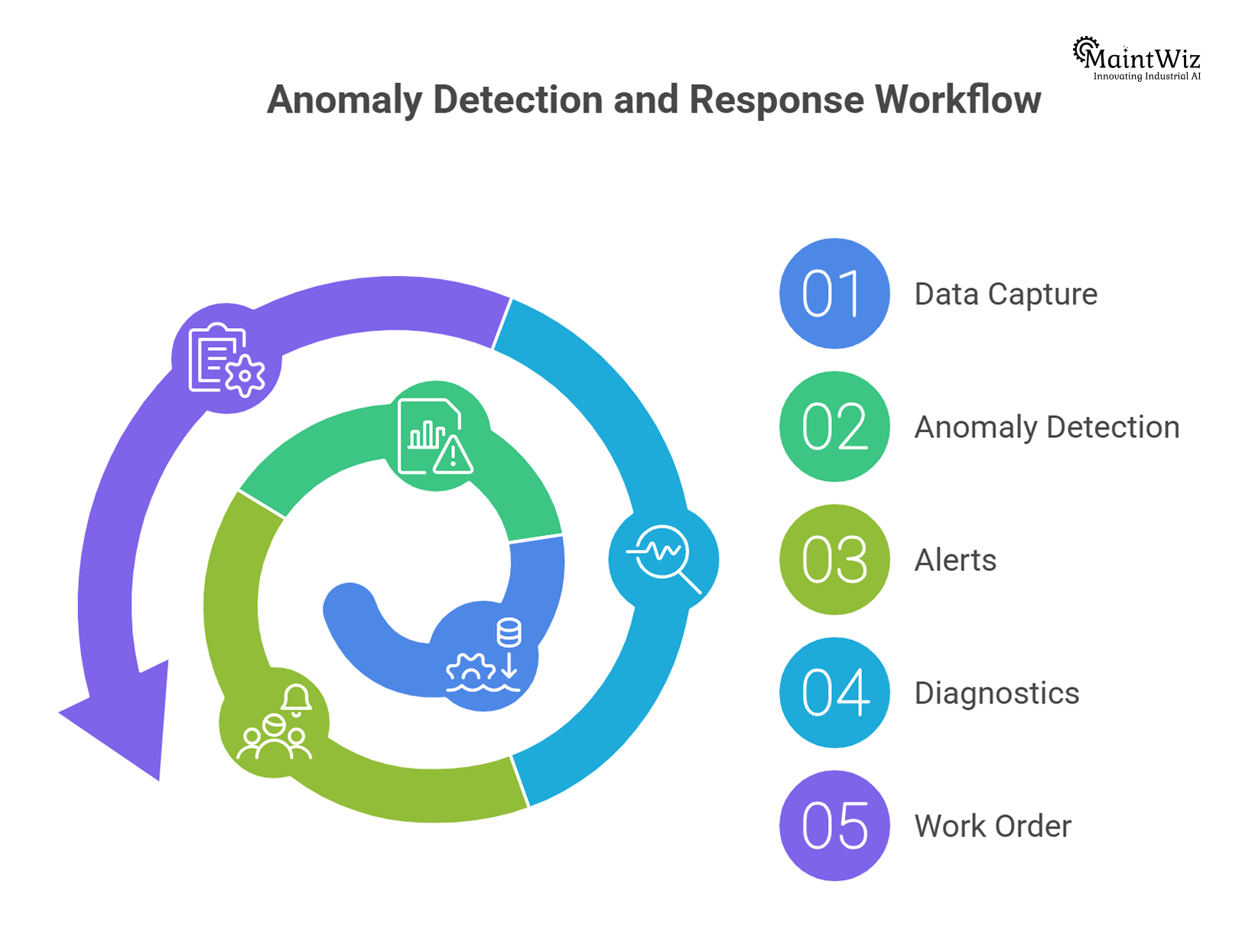
Executive Overview: Smart shutdown monitoring is a sequence—from raw data capture to intelligent action. The integration of IoT sensors with condition indicators and analytics transforms static checklists into dynamic, responsive shutdown plans.
- Continuous Data Streams – Sensor networks transmit live metrics into the CMMS without lag.
- Anomaly Detection Algorithms – Automated detection recognises out-of-norm conditions in real time.
- Threshold-Based Alerts – Predefined triggers prompt instant notifications to planners and technicians.
- Automated Diagnostics – Correlated sensor trends highlight root causes, not just symptoms.
- Shift Value to Predictive Insights – Over time, trend analytics guide shutdown task scheduling instead of guesswork.
Automated Reporting and Intelligence Through IoT-Enabled CMMS
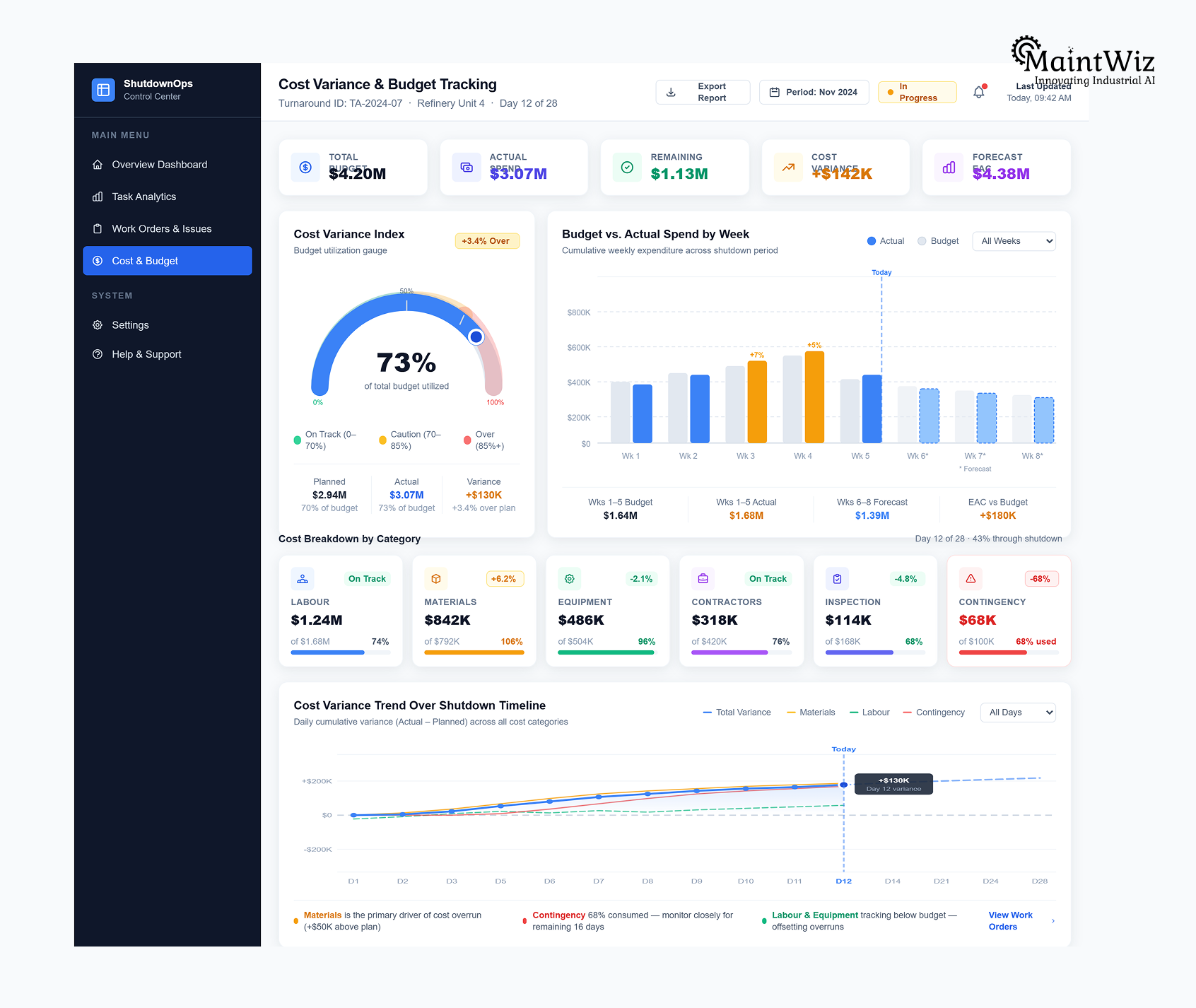
Executive Overview: Automated reporting converts raw sensor feeds into strategic intelligence—aggregating performance KPIs, compliance evidence, and task outcomes that are essential for both shutdown execution and post-event learning.
- Live Dashboards – Executive and plant-floor views highlight asset status and real-time KPIs.
- Compliance Trails – Time-stamped activity logs ensure audit-ready documentation.
- Actionable Reports – Summarised insights guide strategic decisions for next shutdown cycles.
- Technician Performance Metrics – Visibility into task completion and MTTR drives accountability.
- Trend Visualization – Historical patterns help identify systemic issues for deeper improvement cycles.
Industry Nuances and Common Pitfalls in Smart Shutdown Monitoring
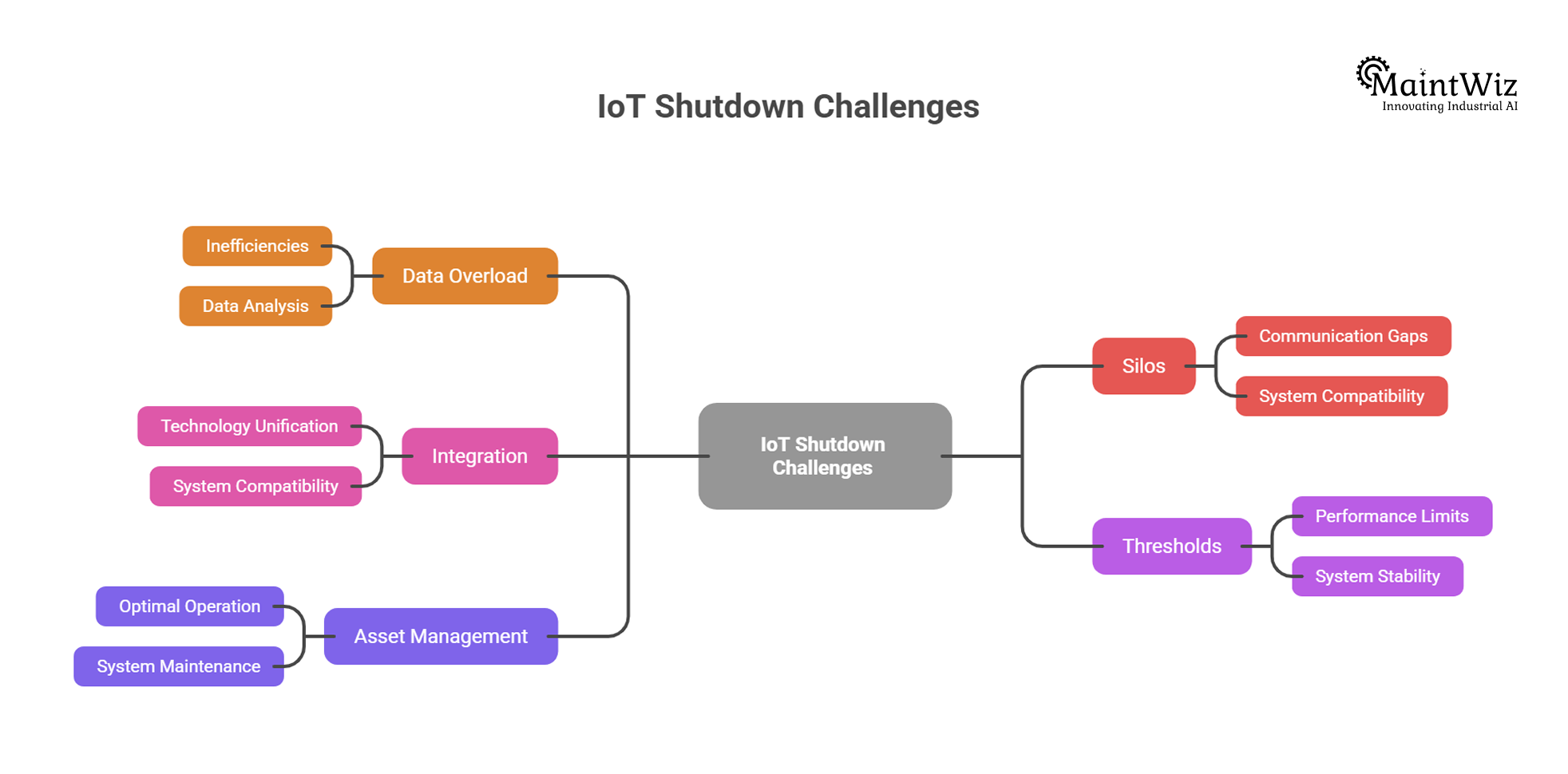
Executive Overview: IoT shutdown monitoring adoption is complex in heavy industries. Avoid common traps—misaligned sensor types, siloed teams, and weak integration architectures—by embracing tailored blueprints and governance models.
- Asset Variety Challenges – Different assets require bespoke sensor strategies.
- Data Overload Risks – Without edge filtering, networks can be overwhelmed with raw streams.
- Siloed Teams – Cross-functional alignment between operations, maintenance, and IT is critical.
- Poor Threshold Definitions – Too loose or tight triggers create false alarms or missed issues.
- Integration Gaps – Weak CMMS coupling undermines the value of real-time data.
Future-Ready Strategies for Smart Shutdown Monitoring
Executive Overview: As industrial IoT matures, embedding AI, machine learning, and digital twins into shutdown monitoring will elevate autonomy and foresighted planning, accelerating reliability outcomes.
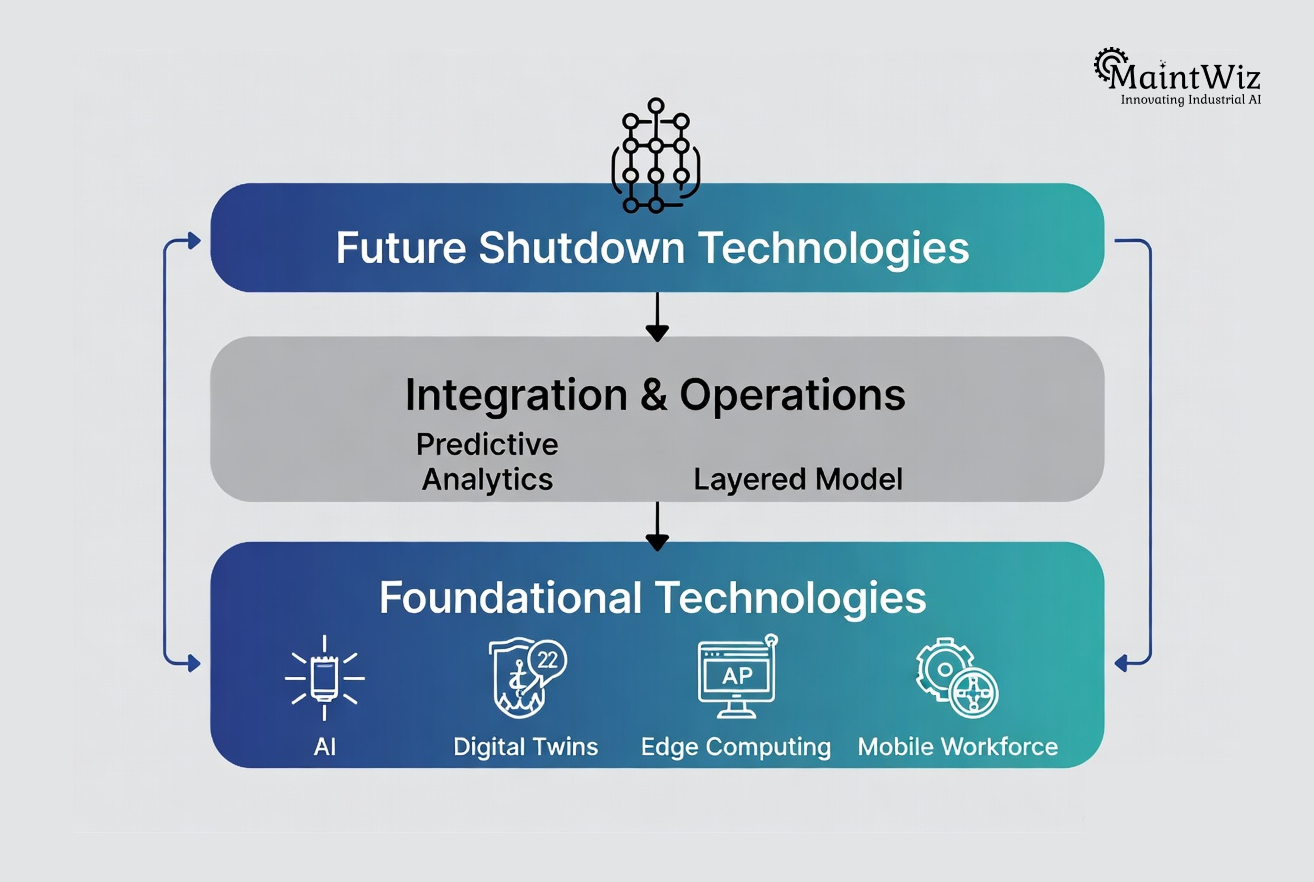
- AI-Enhanced Predictions – Machine learning models refine failure forecasts over time.
- Digital Twin Integration – Virtual replicas simulate shutdown outcomes before execution.
- Edge-Centric Intelligence – Localized analytics reduce latency for critical alerts.
- Mobile Technician Enablement – Field access to real-time IoT data increases first-time fix rates.
- Cross-Site Standardization – Consistent IoT-enabled workflows scale shutdown excellence across sites.
Why MaintWiz CMMS Is Uniquely Suited for IoT Shutdown Monitoring
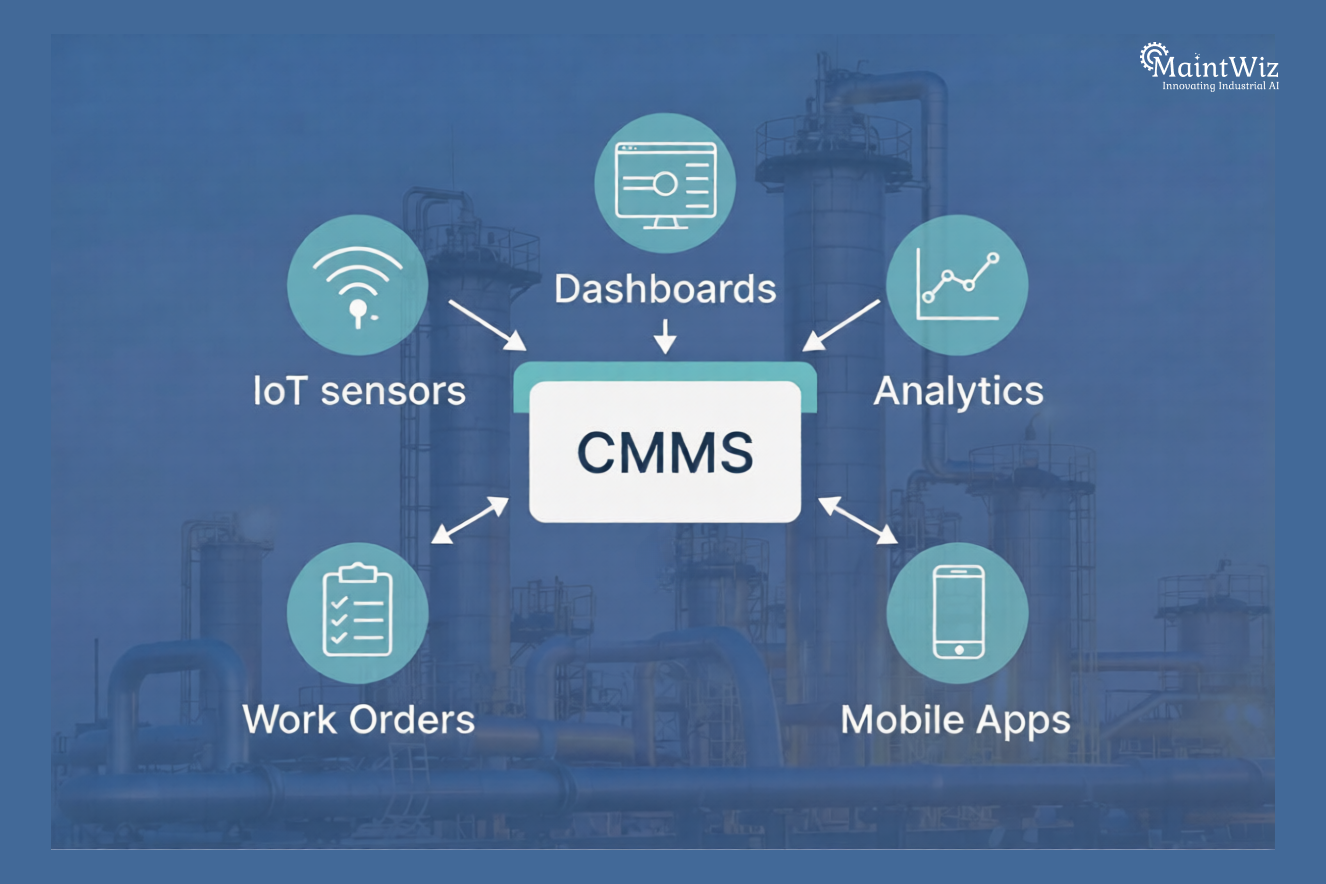
Executive Overview: MaintWiz CMMS delivers end-to-end integration of IoT sensor data, real-time condition monitoring, automated workflows, and shutdown intelligence in a unified platform built for industrial rigor.
- End-to-End IoT Integration – Seamlessly integrates diverse industrial sensors into a single maintenance backbone.
- Automated Work Order Triggers – IoT alerts automatically generate and prioritise tasks in shutdown contexts.
- Mobile Intelligence for Field Teams – Field-ready dashboards and alerts speed response during critical shutdown phases.
- Condition-Based Shutdown Planning – Real-time health metrics guide targeted task lists and prioritisation.
- Actionable Analytics & Reporting – Executive-grade dashboards contextualise performance and compliance.
If you are transforming shutdown operations with data, book a personalised demo with the MaintWiz team to see IoT-powered shutdown monitoring in action.

Company
Download App