Mobile Technology in Shutdown Execution:
Field Mobility Solutions

Mobile shutdown management and shutdown mobile apps are no longer “nice to have” – they’re now mission-critical for execution excellence in plant shutdowns, turnarounds, and outages (STO). In environments where every hour of downtime costs millions, empowering field teams with real-time mobile tools radically improves productivity, safety, coordination, and data accuracy. This guide explains why mobile technology transforms shutdown execution and how modern mobile platforms deliver measurable business impact.
Why Field Mobility Matters in Shutdown Execution
Shutdown projects are the pinnacle of complexity: tight schedules, interdependent work packages, dynamic priorities, and distributed teams. Traditional paper-based or desktop-centric systems fail to keep pace with real-time field realities. Field mobility changes the game.
Mobile Field Execution Drives Operational Success
- Real-Time Shutdown Mobile Updates – Technicians and supervisors receive live tasks and status updates, eliminating delays and miscommunication across shutdown teams.
- On-Site Work Order Capture – Create, update, and close work orders directly from mobile, reducing administrative lag and ensuring accurate execution records.
- Data Capture at the Source – Field teams capture photos, signatures, and test results at point of work for audit-ready documentation and fewer rework cycles.
- Offline Field Access – Work in low-connectivity zones common in plants with offline support, syncing seamlessly when connectivity returns.
- Instant Collaboration – Cross-functional teams share updates instantly, resolve blockers faster, and avoid costly delays.
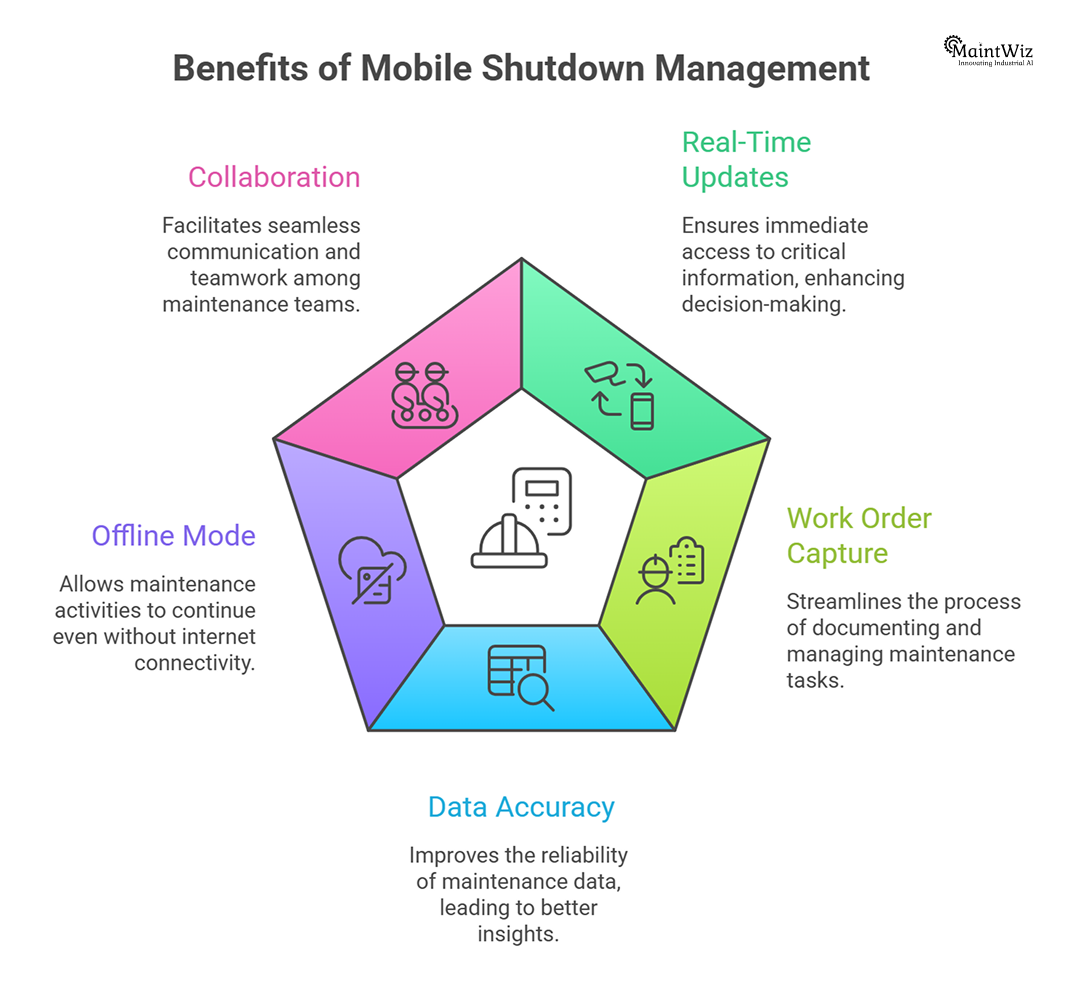
Mobile Shutdown Management: Core Capabilities & Impact
To master shutdown execution, organizations must leverage mobile capability across core operating workflows. Below are the essential mobile capabilities that unlock value in shutdown environments.
Work Order & Task Execution Mobility
Mobile shutdown management is about delivering the right task to the right worker at the right time with full context.
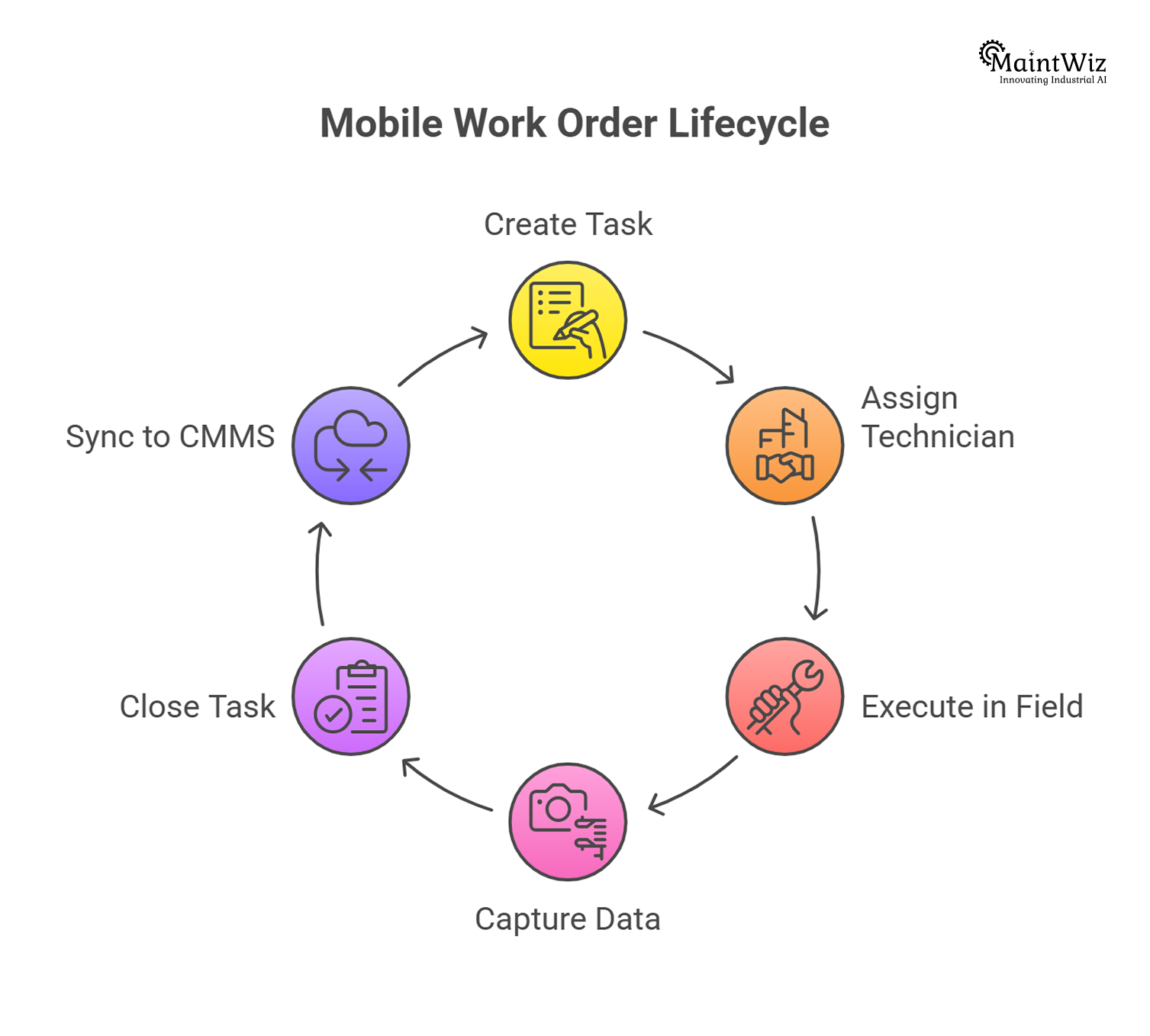
- Mobile Work Order Lifecycle – Technicians receive, execute, and close work orders on mobile without returning to the control room.
- Task Instructions & SOPs On-Device – Access procedures, diagrams, and safety checklists in the field to reduce execution errors.
- Geo & Location Tagging – Analysts and planners can assign tasks based on technician proximity and plant zones.
- Photo/Video Evidence Capture – Technicians upload visual evidence of task completion and issues instantly for traceability.
- Status Roll-Up & Dashboards – Real-time status feeds accelerate progress reporting and proactive decision-making.
Progress Monitoring & Real-Time Data
In shutdown execution, visibility is power. Mobile tools deliver it.
- Instant KPI Visibility – Field data feeds dashboards with schedule adherence, task completion rates, and bottlenecks.
- Performance Alerts – Automated alerts help leaders address missed targets before they impact deadlines.
- Predictive Signals – Live data capture enables early indication of equipment readiness delays or risks.
- Interactive Gantt & Progress Charts – Mobile feeds into execution charts for transparency at all levels.
- Data-Driven Daily Reviews – Mobile inputs reduce guesswork in morning execution briefings.
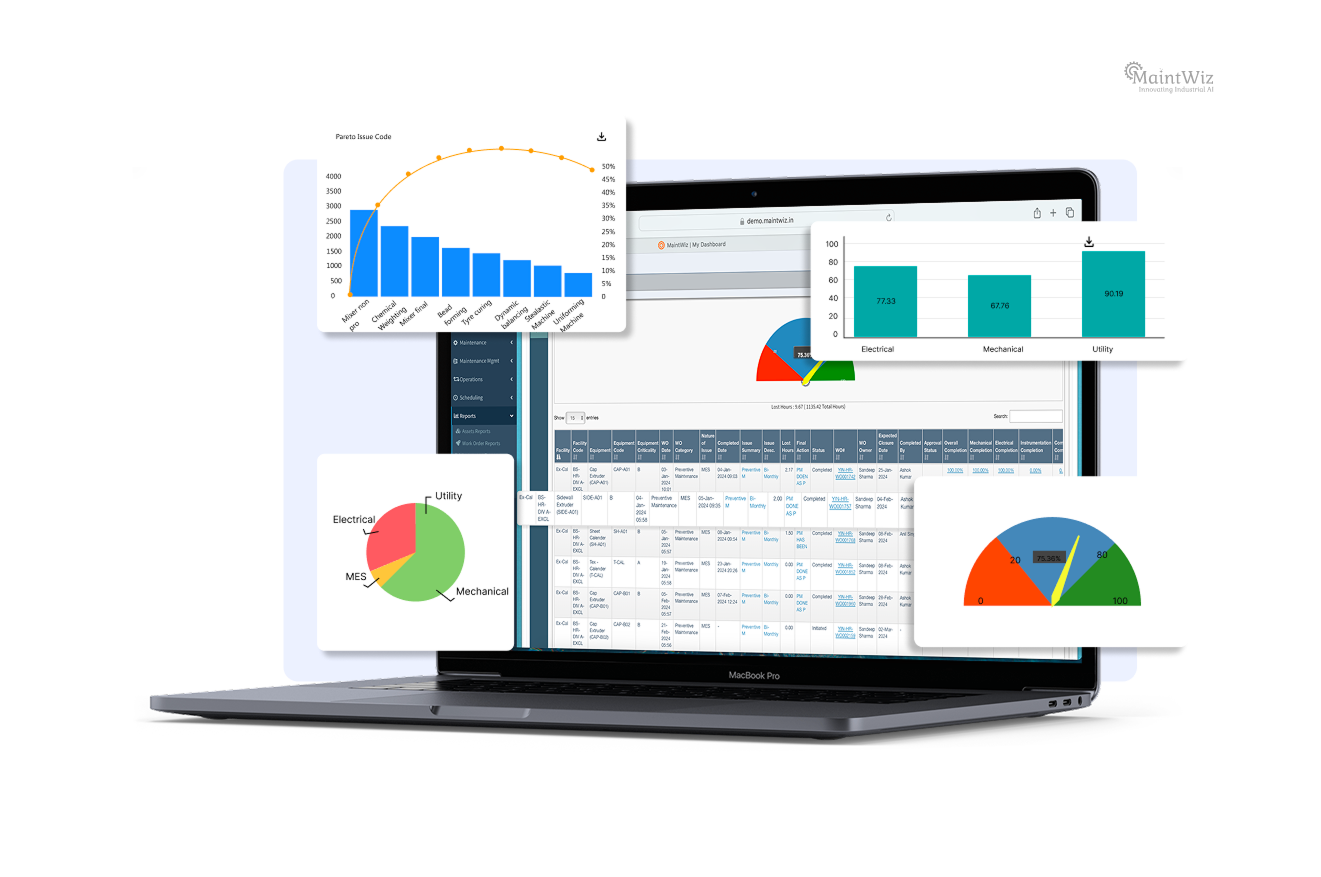
Communication & Coordination Acceleration
Plant shutdowns involve hundreds of workers, subcontractors, and planners. Mobile apps unify them.
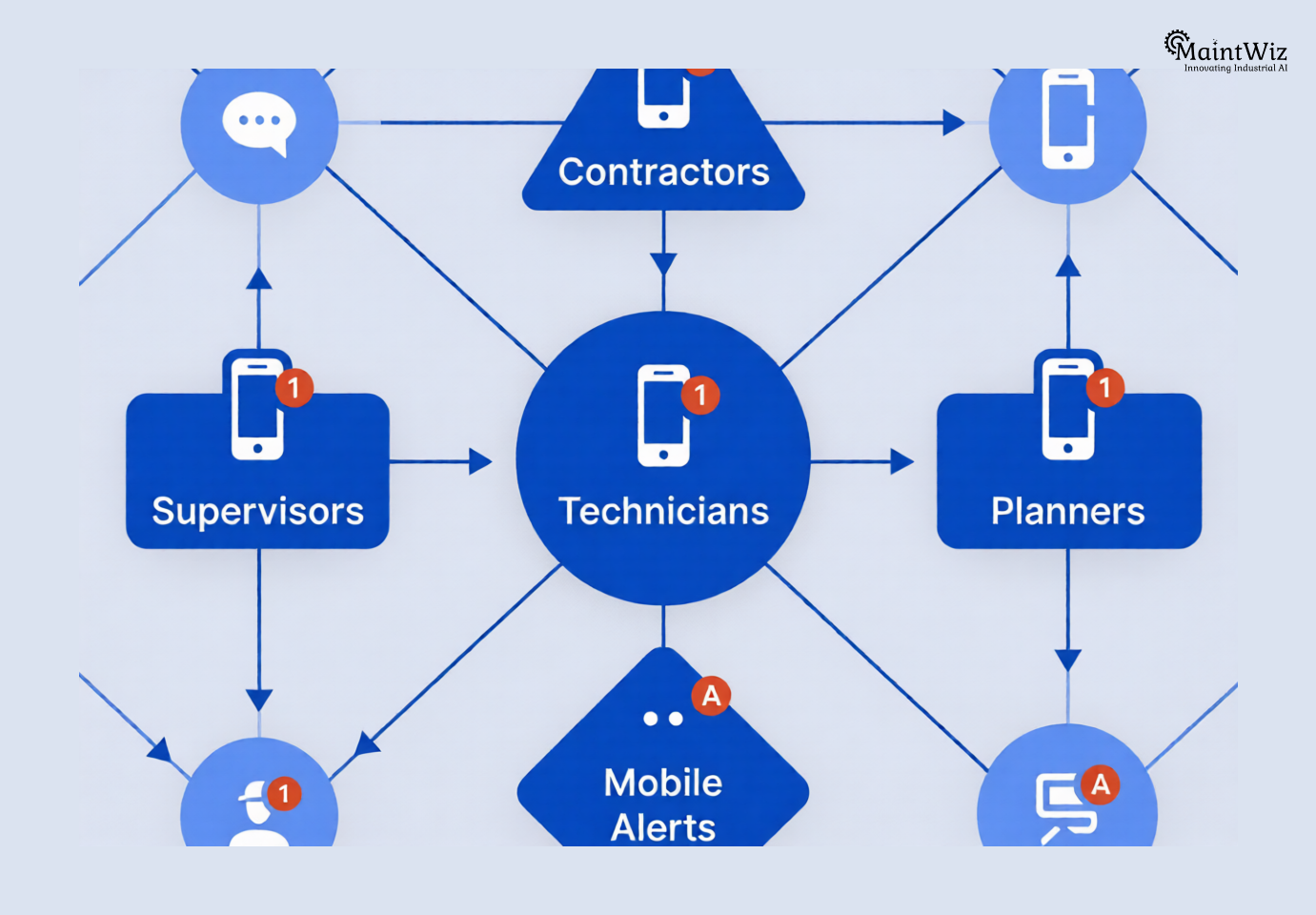
- Instant Messaging & Alerts – Push updates keep field crews aligned with changing priorities and critical safety messages.
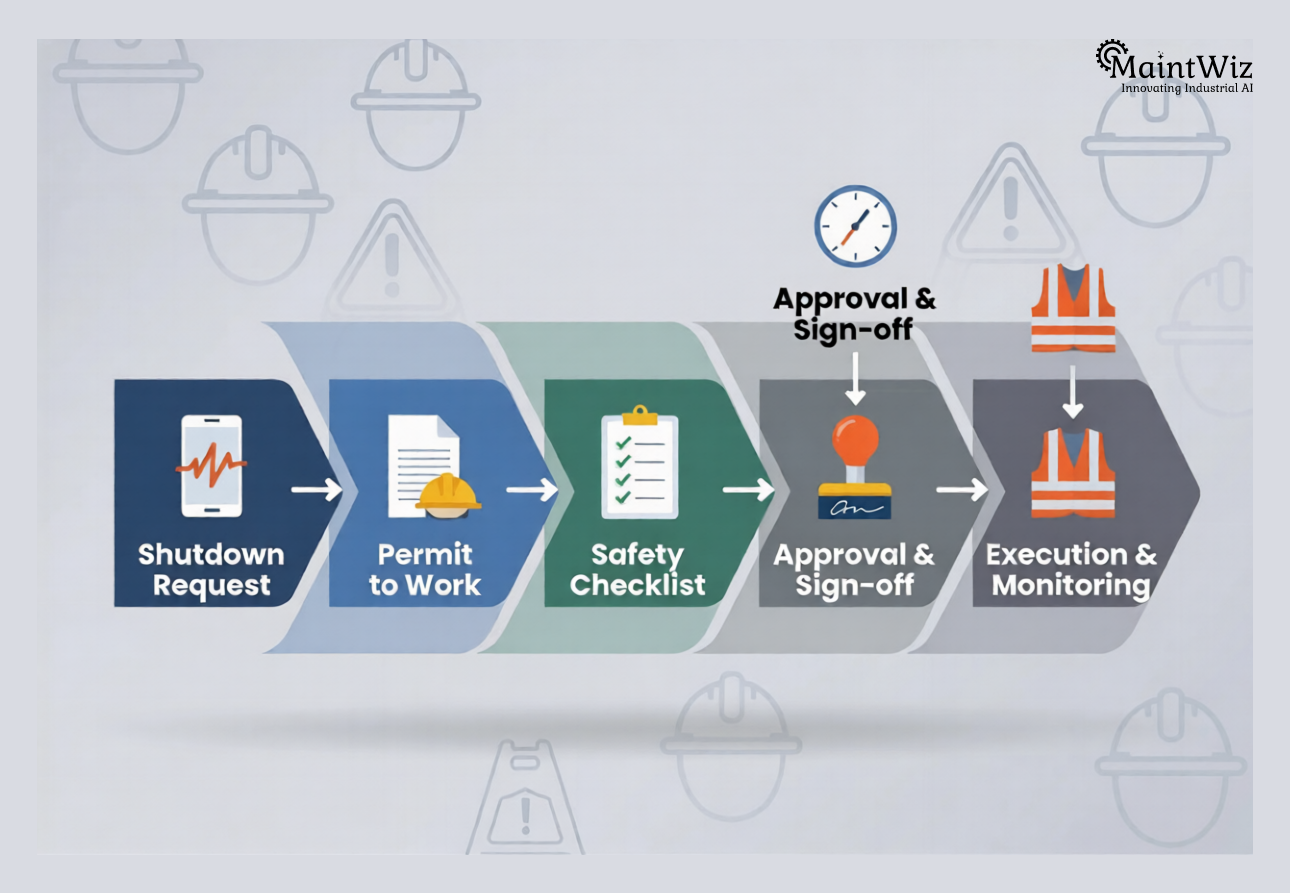
- Approval Workflows on the Go – Supervisors approve permits and task changes without back-and-forth paperwork.
- Resource Assignment Flexibility – Dispatch supervisors update crew assignments in real time based on evolving needs.
- Vendor & Contractor Sync – External teams access secure mobile feeds for coordinated execution.
- Team Check-Ins & Logs – Shift handovers are supported with digital logs and field updates to prevent information loss.
Execution Risk, Safety, & Compliance via Mobile Platforms
Shutdowns are high-risk operations. Mobile technology reduces exposure and enhances compliance with mandated procedures.
- Mobile Safety Protocol Enforcement – Digital permits to work, checklists, and lock-out/tag-out documentation protect field staff.
- Instant Incident Reporting – Field teams report safety events immediately with evidence capture and automated routing.
- Regulatory Audit Trails – Mobile timestamps and records support compliance for regulators and insurers.
- Competency Validation – Field qualification checks ensure only certified personnel receive critical tasks.
- Risk Mitigation Workflows – Mobile workflows enable automated hazard assessments before execution begins.
Real-World Best Practices & Common Failures in Mobile Shutdown Execution
To extract value from mobile shutdown tools, organizations must avoid common execution pitfalls and adopt best practices grounded in real operational contexts.
Common Failures
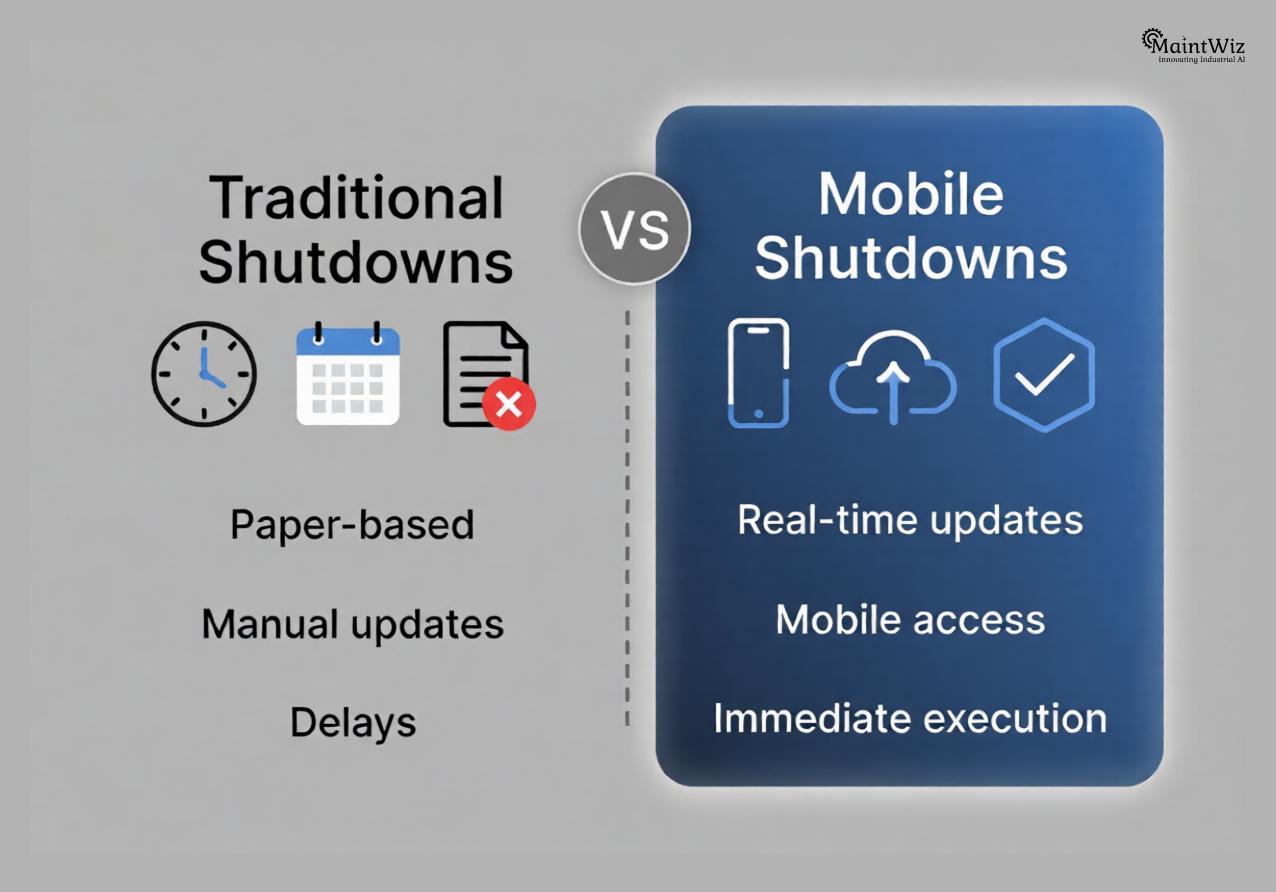
- Paper & Post-Shift Updates – Delayed reporting causes data gaps and misalignment.
- Disconnected Teams – Without real-time tools, planners remain blind to field progress.
- Unstructured Mobile Use – Ad-hoc mobile apps without integrated workflows fragment data.
- No Offline Support – Connectivity loss stalls execution in plant zones.
- Lack of Training – Under-trained users fail to adopt mobile practices, reducing ROI.
Best Practices
- Standardized Mobile Procedures – Build digital checklists to enforce consistent execution.
- Pre-Shutdown Mobile Training – Train field teams on app use before peak load.
- Iterative Mobile KPI Tracking – Review mobile feeds daily to refine execution plans.
- Offline First Design – Ensure critical functions operate without connectivity.
- Integrated Planning & Field Tools – Connect mobile execution tools with planning systems for seamless data sync.
MaintWiz CMMS: Why It’s Uniquely Suited for Mobile Shutdown Execution
MaintWiz’s mobile workflows are engineered to align with real shutdown execution challenges. Its mobile-first strategy delivers field mobility with depth, precision, and enterprise reliability.
- Mobile Work Order Mastery – Technicians create, update, and close work orders in real time with photos, notes, and status sync.
- Offline Field Capability – Supports remote execution areas with offline mode, syncing data when connectivity returns.
- Instant Communication & Alerts – Push updates and alerts empower teams to adapt mid-shutdown.
- Real-Time Data & Dashboards – Field feeds populate dashboards that reveal progress, bottlenecks, and risks.
- Integrated Safety & Compliance – Mobile support for permits, checklists, and audit trails enhances safety governance.
Together, these capabilities drive improved shutdown execution predictability, reduced rework, and enhanced operational visibility. MaintWiz’s mobile platform bridges the gap between the planner’s vision and field execution reality.
Ready to transform your shutdown execution with field mobility? Contact our experts for a tailored demo and performance assessment.

Company
Download App