Multi-Unit Shutdown Coordination: Complex Project
Management
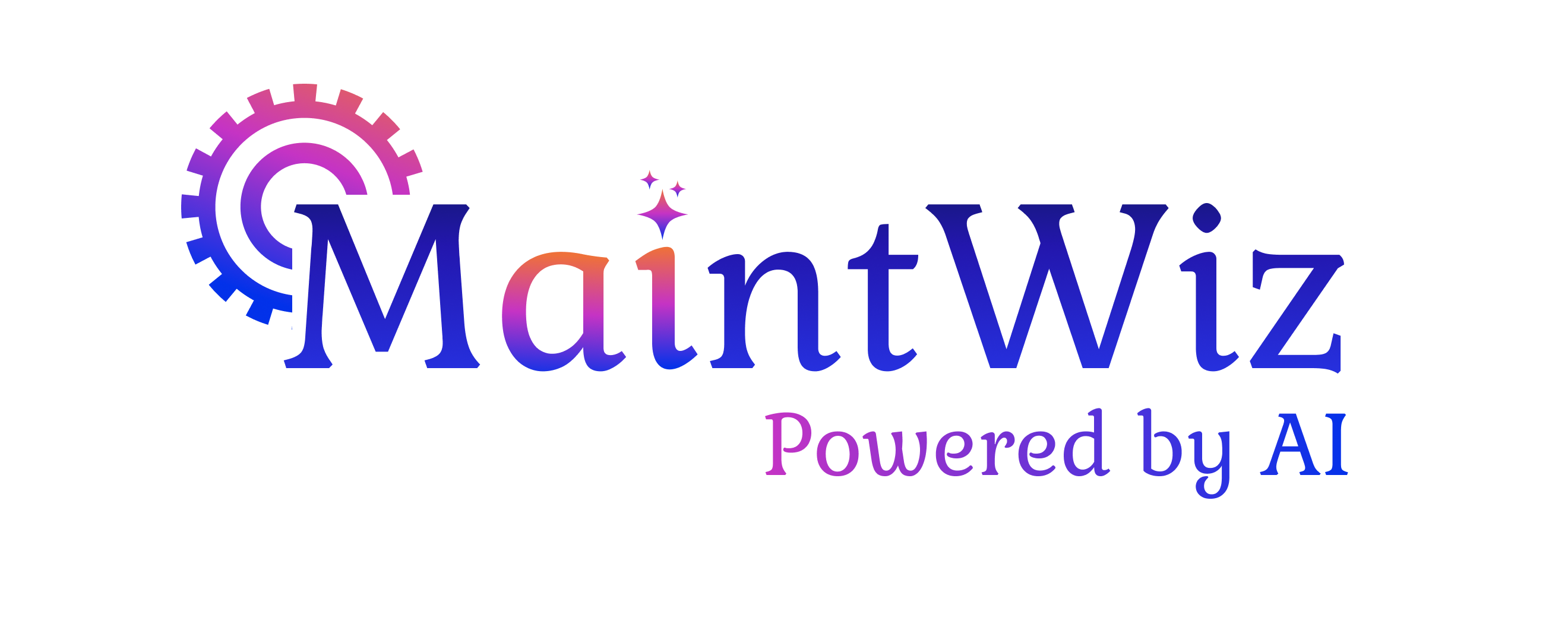
Super Hook: When multiple units in a process plant must be taken down simultaneously, success hinges not on luck—but on methodical multi-unit shutdown coordination and tightly integrated coordinated shutdown planning that turns complexity into competitive advantage.

In heavy industries such as refining, power generation, chemicals, mining, and manufacturing, major outages (STO: Shutdown–Turnaround–Outage) are high-stakes events. Poor execution can lead to delayed production, budget overruns, safety incidents, and systemic reliability degradation. Advanced coordination transforms shutdowns from chaotic interruptions into strategic opportunities for reliability uplift, asset optimization, and workforce excellence.
Why Multi-Unit Shutdown Coordination Matters
Multi-unit outages amplify risks: interdependent systems, shared resources, and compressed windows challenge even seasoned teams. Effective shutdown execution is not an operational necessity alone—it’s a commercial lever that protects revenue, underpins safety, and unlocks long-term performance gains.
- Operational Continuity Preservation – Keep production loss to a minimum by aligning unit shutdown windows with demand forecasts and maintenance windows.
- Shared Resource Synchronization – Ensure scarce technical resources and specialist contractors are optimized, not duplicated or idle.
- Reliability & Safety Assurance – Reduce human error and industrial risk through coordinated planning and execution controls.
- Cost Avoidance & Budget Control – Avoid expensive rework, overtime escalations, and schedule slippage.
Defining Coordinated Shutdown Planning in Multi-Unit Contexts
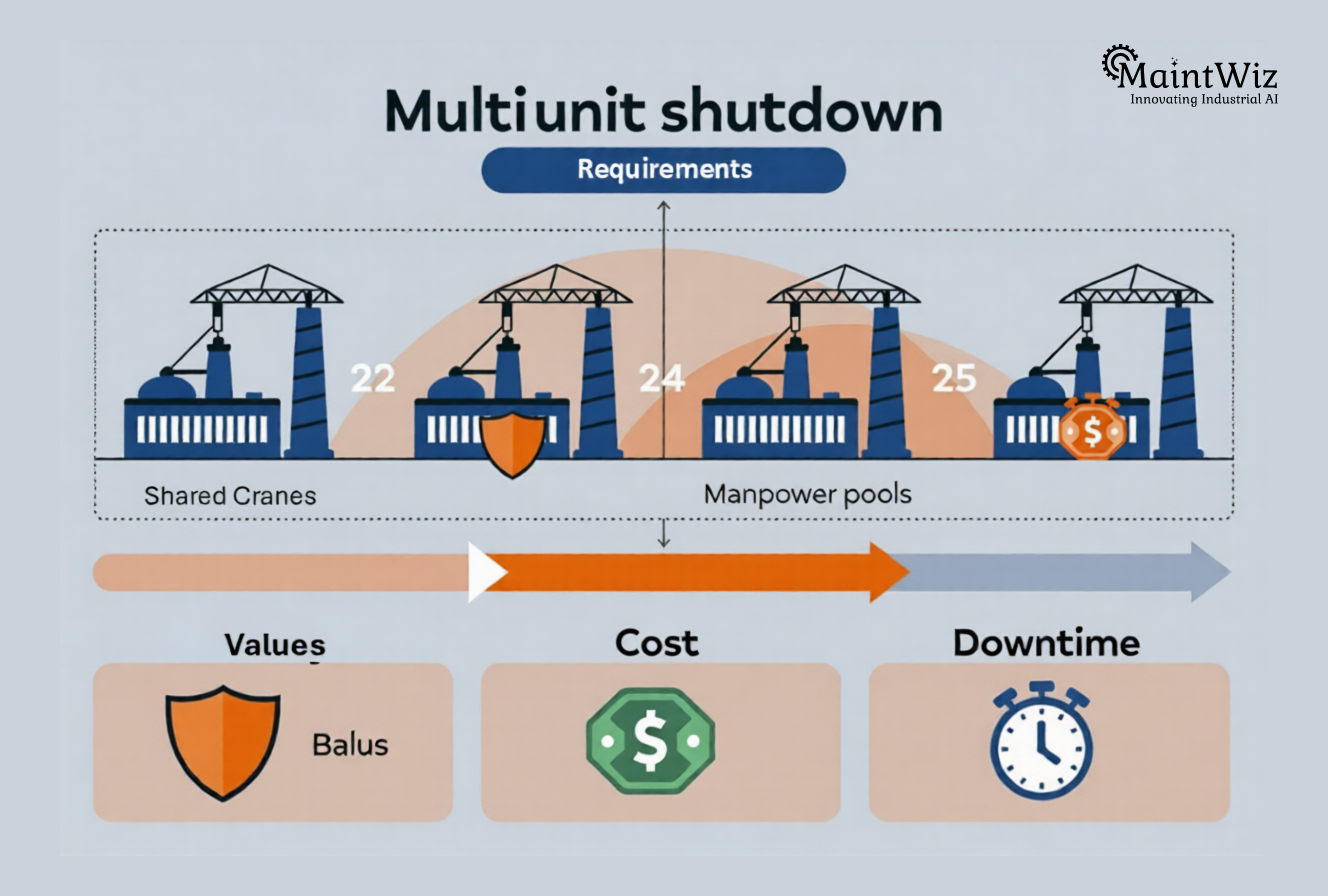
Shutdown planning is more than a schedule. It’s a disciplined integration of discipline-specific sequences, resource allocation, risk mitigation, and real-time decisioning that adapts dynamically to unfolding conditions.
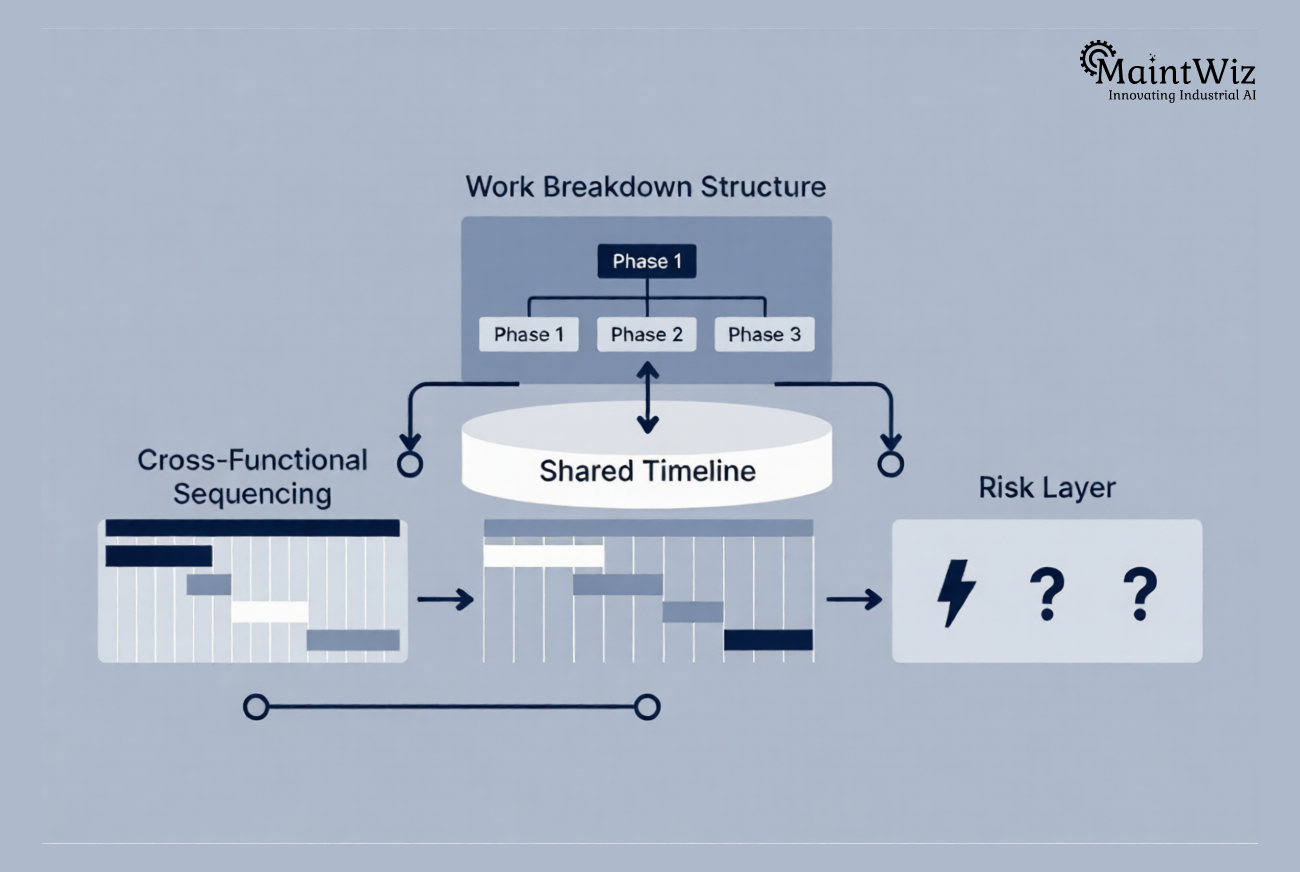
- Integrated Work Breakdown Structures – Define task hierarchies across units to eliminate duplication and identify dependencies early.
- Cross-Functional Sequence Mapping – Capture process, mechanical, electrical, and safety workflows in a unified plan.
- Shared Timeline Optimization – Align unit schedules to maximize workforce productivity while minimizing downtime overlap.
- Risk & Redundancy Analysis – Model failure modes and develop mitigation sequences that prioritize safety and uptime.
Planning Challenges in Multi-Unit Shutdowns
Organizations commonly underestimate the combinatorial complexity of coordinated shutdowns. These pitfalls derail execution and escalate costs.
- Fragmented Planning Silos – Disjoint plans increase conflict, duplication, and bottlenecks.
- Poor Critical Path Visibility – Lack of real-time interdependencies obscures true schedule risk.
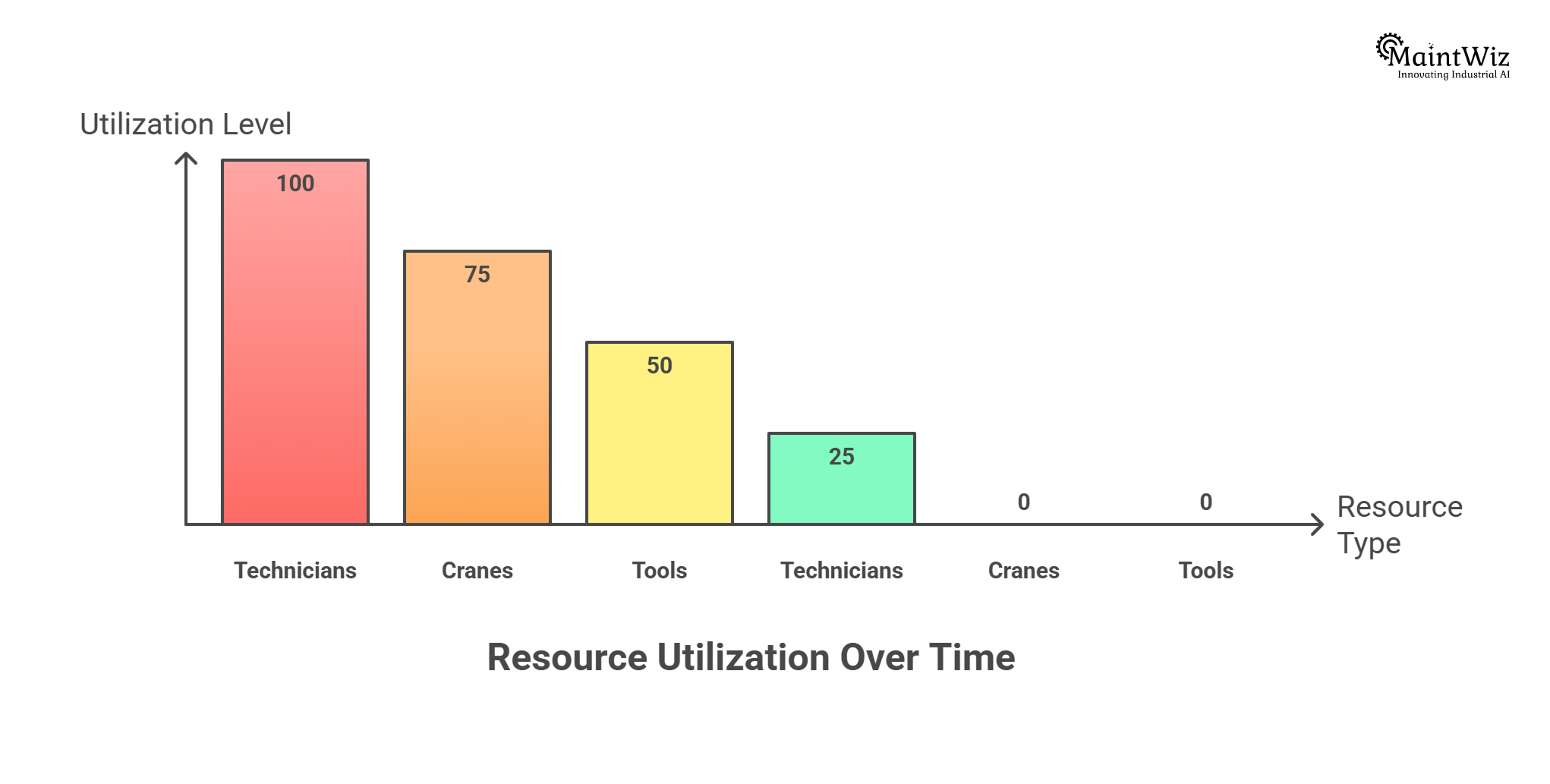
- Resource Contention & Overload – Without shared resource planning, teams compete for technicians, cranes, and specialist tools.
- Data & Communication Gaps – Incomplete data and manual communications lead to rework and delayed decisions.
Best Practices for Successful Multi-Unit Shutdown Coordination
World-class execution is built on a foundation of disciplined planning, robust tools, and empowered teams.
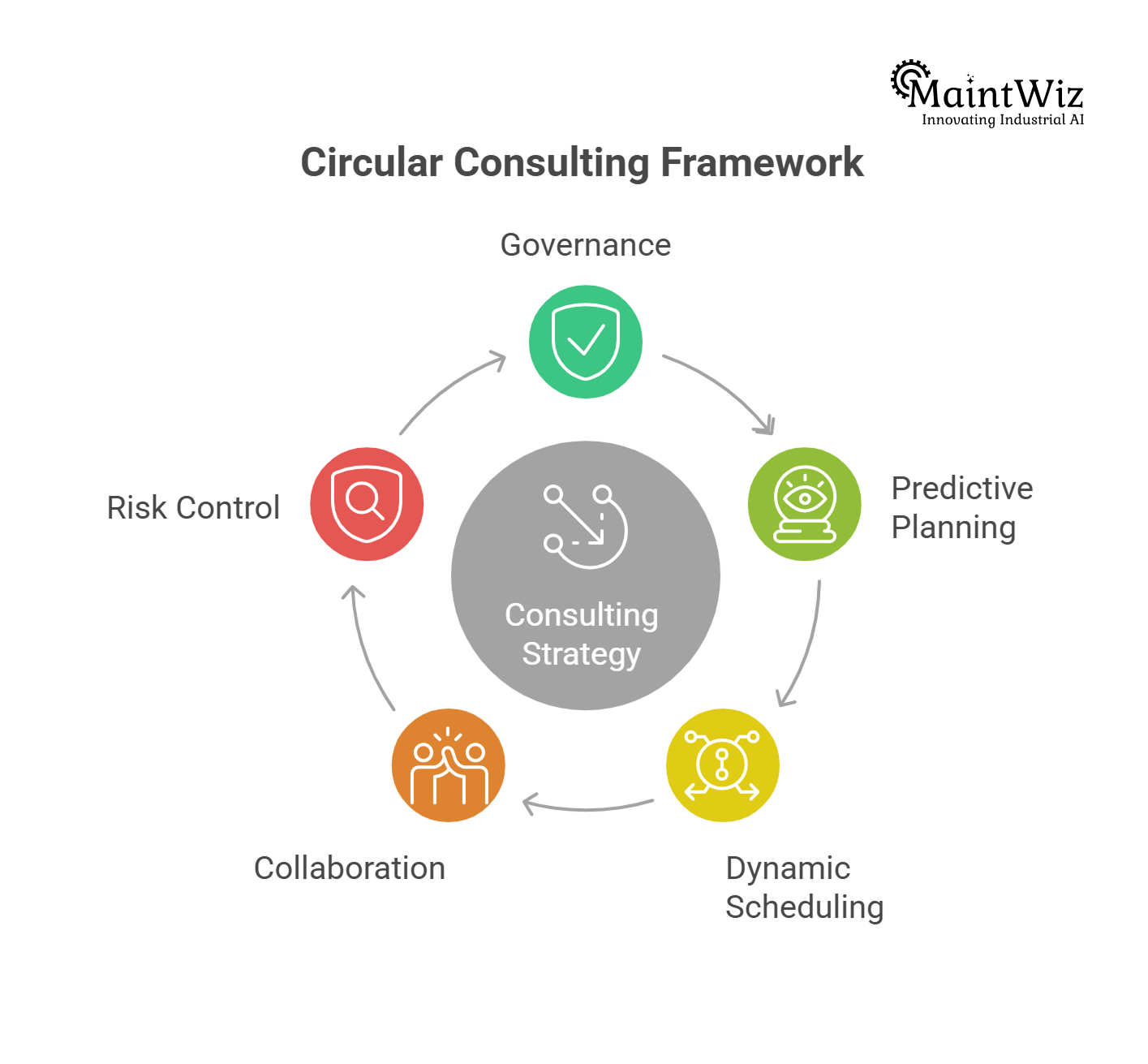
- Centralized Planning Governance – Establish a single source of truth and an empowered STO coordination office.
- Predictive Resource Forecasting – Anticipate workforce, contractor, and material needs through historical and real-time data trends.
- Dynamic Schedule Reprioritization – Continuously adjust sequencing to reflect unfolding work and emerging operational constraints.
- Collaborative Stakeholder Engagement – Align maintenance, operations, safety, and supply chain on common goals and KPIs.
- Integrated Risk Controls – Embed safety reviews, permit tracking, and compliance checkpoints into the shutdown workflow.
Organizational Capabilities That Drive Shutdown Success
Capability maturity across tools, processes, and competencies distinguishes high performers from firefighting teams.
- Predictive Maintenance Integration – Align advanced condition analytics with STO planning to avoid redundant work.
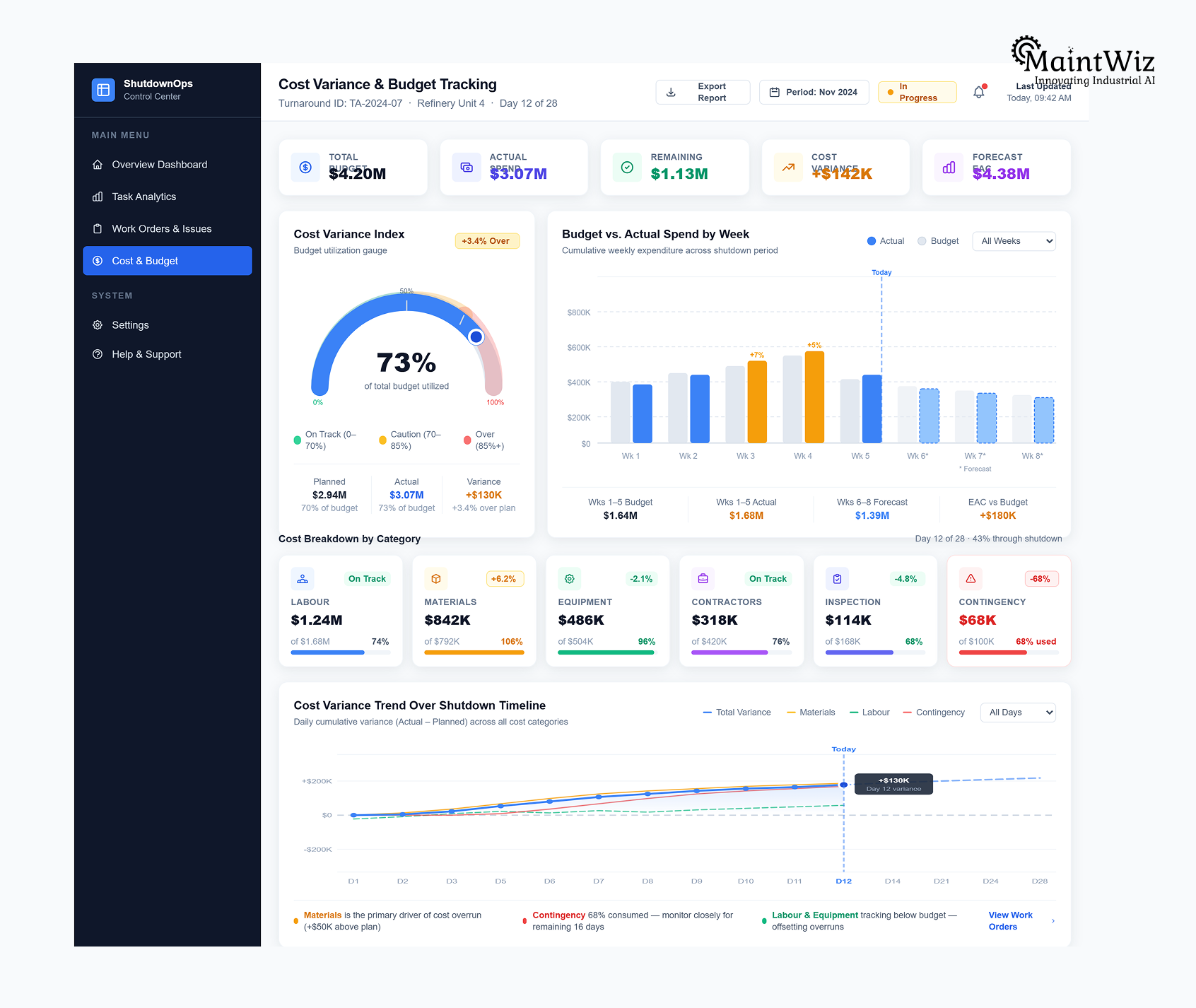
- Real-Time Decision Dashboards – Executive dashboards highlight critical bottlenecks, resource utilization, and risk flags.
- Scenario Modeling & Simulation – Pre-shutdown simulation anticipates resource conflicts and timeline slippages.
- Mobile-Enabled Field Execution – Technicians access real-time work instructions, permits, and checklists on the floor.
- Cross-Unit KPI Alignment – Unified success metrics enhance accountability and transparency across stakeholders.
Technology’s Role in Coordinated Shutdown Planning
Digital maturity separates reactive firefighting from proactive shutdown orchestration. Modern maintenance software, particularly an advanced CMMS, is indispensable for multi-unit coordination.
- Shared Maintenance Calendars – Single source of scheduled work across all units avoids conflicts and ensures visibility.
- Automated Work Order Generation – Trigger tasks from condition events or critical path triggers without manual overhead.
- Resource Allocation Engines – Balance technician, contractor, and equipment assignments with real-time availability data.
- Compliance & PTW Integration – Track safety permits and inspection requirements within the work execution flow.
- Predictive Analytics Alignment – Use historical failure trends to prioritize shutdown tasks and avoid reactive work later.
Key Performance Metrics for Shutdown Excellence
Quantifiable performance tracking aligns multi-unit shutdowns with enterprise objectives and continuous improvement.
- Schedule Adherence Rate – Percentage of tasks completed on original schedule commitments.
- Resource Utilization Efficiency – Measure of planned versus actual utilization of technicians and tools.
- Unplanned Work Ratio – Percentage of reactive tasks arising during shutdown execution.
- Safety Compliance Tracking – Incident counts and permit completion rates integrated into performance reports.
- Cost Variance Analysis – Comparison of actual spend versus shutdown budget baselines.
Common Industry Pitfalls & How to Avoid Them
Even mature teams fall into recurring traps unless they adopt disciplined coordination approaches.
- Over-Scheduling Without Sequencing – Avoid creating “wish lists” of tasks without critical path alignment.
- Ignoring Resource Bottlenecks – Early identification of scarce skills and equipment prevents cascading delays.
- Under-Leveraging Data – Manual spreadsheets and disparate docs lead to errors; data-driven planning prevents surprises.
- Reactive Permit Handling – Late PTW approvals and safety clearances slow field execution; integrate permits earlier.
- Disconnect Between Planning & Execution – Establish feedback loops where field updates dynamically revise plans.
Why MaintWiz CMMS Excels at Coordinated Multi-Unit Shutdown Planning
MaintWiz’s AI-driven CMMS is engineered to support enterprise-scale maintenance and STO challenges through seamless integration, real-time insights, and predictive capabilities that improve planning accuracy and execution discipline.
- Unified Maintenance Calendar – A central scheduling engine harmonizes shutdown milestones, shared resources, and execution tasks across all units.
- Advanced Resource Coordination Tools – Intelligent assignment logic balances technician availability with specialist contractor needs, eliminating contention.
- Real-Time Status & KPIs – Executive dashboards provide live tracking of schedule adherence and critical variances.
- Predictive Analytics & IoT Integration – Condition data from sensors feeds predictive triggers, aligning preventive work with shutdown priorities.
- Compliance & Permit Tracking – MaintWiz embeds safety checks and PTW workflows into core execution, reducing risk and non-compliance.
- Mobile-First Field Coordination – Technicians receive task updates, corrective instructions, and capture completion evidence on the go.
- Scenario Planning Capabilities – Model coordinated sequences to assess risk and optimize timelines before execution.
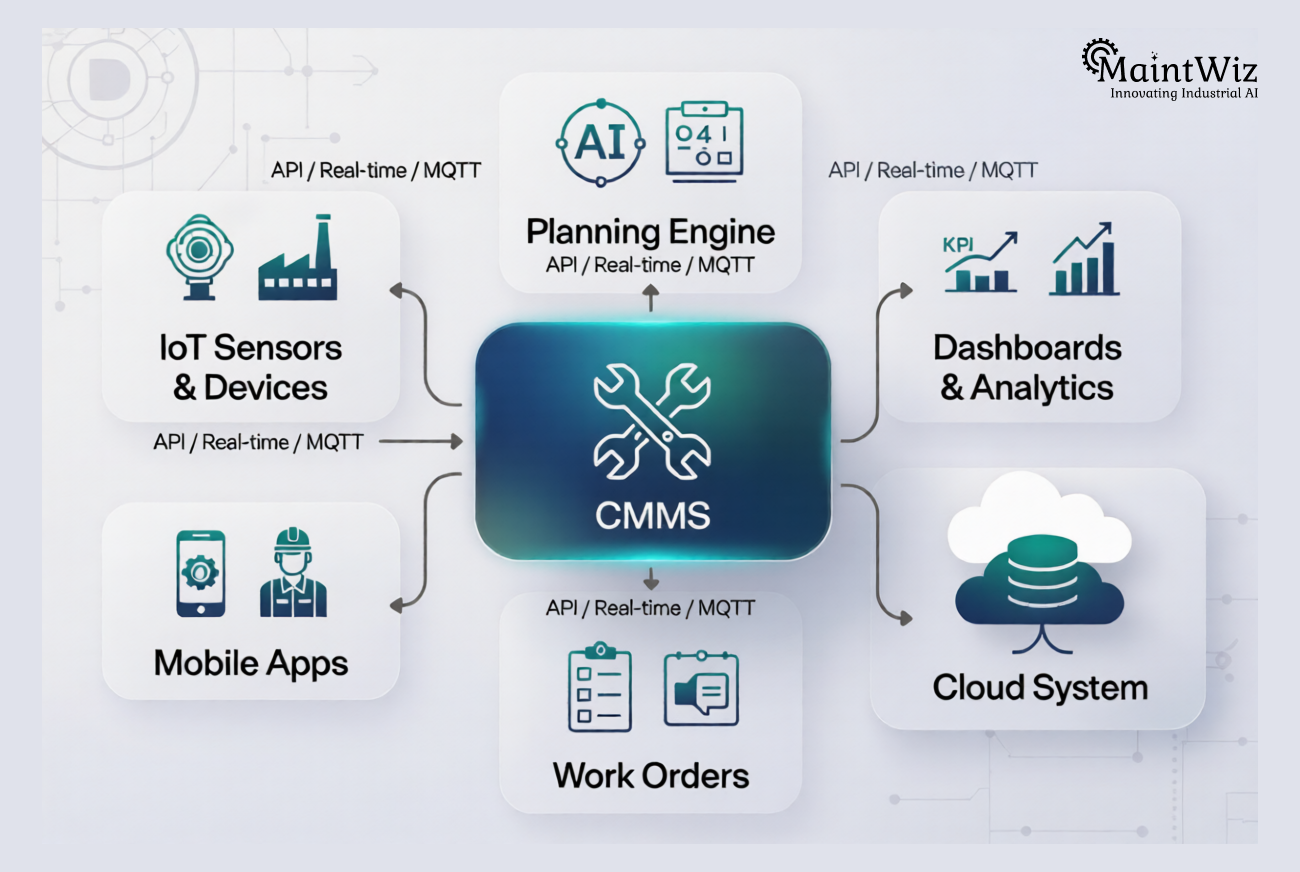
With MaintWiz CMMS, organizations gain a single source of truth for shutdown planning, execution, and continual improvement—reducing risk, tightening timelines, and enhancing asset reliability.
Call to Action: Request a personalized MaintWiz demo today and bring world-class multi-unit shutdown coordination to your operations.

Company
Download App