
Quality Control in Shutdown Maintenance: Zero-Defect
Approach
When a plant shuts down, the clock starts ticking — and every defect left behind multiplies startup risk, revenue loss, and safety exposure. In major shutdowns, quality failures rarely appear as dramatic breakdowns during execution. Instead, they hide quietly in missed tolerances, incomplete inspections, undocumented torque values, unverified alignments, and skipped test procedures. These small oversights compound into post-startup failures, warranty disputes, environmental incidents, and unplanned rework that can erase millions in margin.
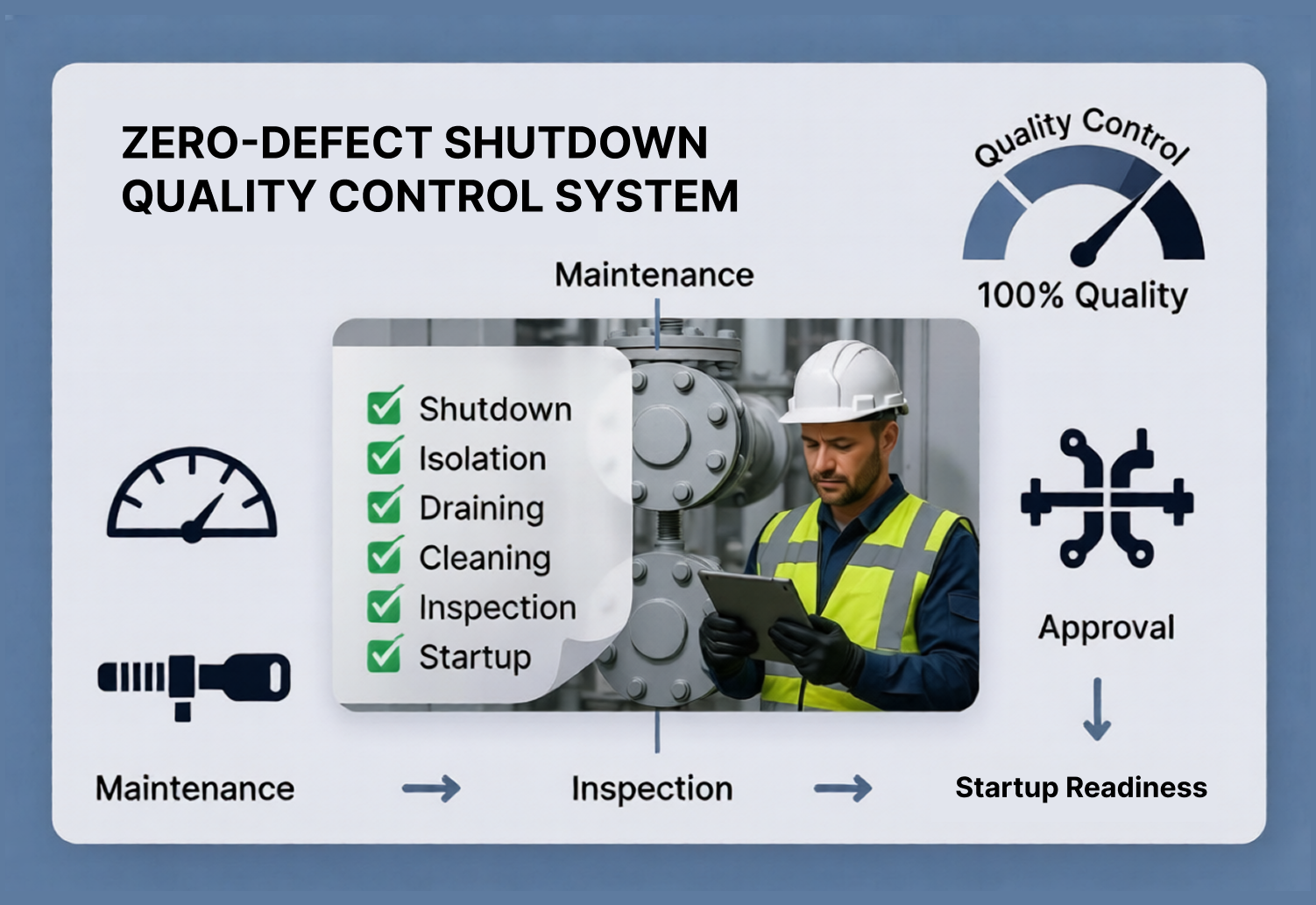
That’s why world-class organizations treat shutdown quality control and shutdown quality assurance as mission-critical disciplines, not administrative checkboxes. A zero-defect shutdown is not luck — it is the outcome of structured systems, inspection rigor, digital traceability, and defect prevention built into every task.
This guide provides a practical, field-tested framework for embedding a zero-defect approach into shutdown maintenance across refineries, power plants, chemical complexes, steel mills, cement plants, utilities, and heavy manufacturing operations.
Why Shutdown Quality Control Determines Startup Success
Shutdowns compress thousands of maintenance, inspection, and project activities into a narrow window. Quality errors introduced during this period directly affect asset reliability for the next operating cycle.
- Hidden Defect Risk in Shutdown Work – Compressed schedules increase human error probability, allowing small workmanship defects to bypass detection and surface after restart.
- Startup Failure Amplification – A minor misalignment or improper gasket installation can escalate into catastrophic failure once equipment returns to full operating load.
- Regulatory and Compliance Exposure – Poor shutdown quality documentation jeopardizes pressure vessel certifications, statutory inspections, and environmental compliance obligations.
- Cost of Post-Shutdown Rework – Correcting defects after startup can cost 5–10 times more due to downtime, production loss, and emergency contractor mobilization.
- Reputation and Warranty Impact – OEM warranties may be voided when torque records, calibration data, or installation standards cannot be proven during audits.
Shutdown excellence is not just about finishing on time — it is about starting up right the first time.
Shutdown Quality Assurance vs Shutdown Quality Control
Many organizations blur the distinction between QA and QC, weakening both. Leading shutdown teams define them clearly and design systems accordingly.
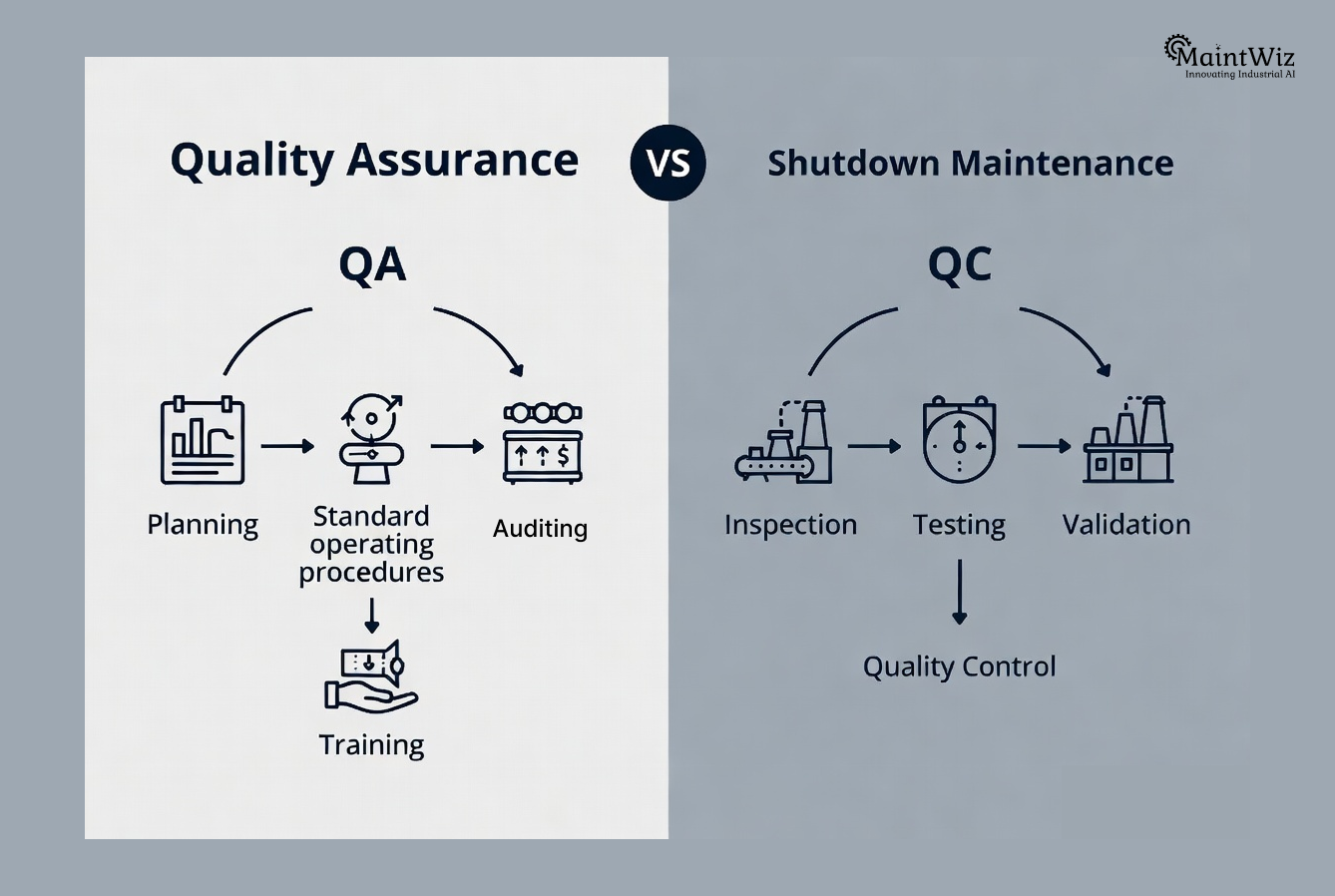
| Aspect | Shutdown Quality Assurance (QA) | Shutdown Quality Control (QC) |
|---|---|---|
| Primary Focus | Prevent defects through systems and planning | Detect defects through inspections and tests |
| Timing | Before and during execution | During and after task completion |
| Ownership | Planning, engineering, and QA teams | Supervisors, inspectors, technicians |
| Key Tools | Procedures, checklists, standards, training | Inspection reports, measurements, test results |
| Goal | Right work, right method, right materials | Verify work meets defined quality standards |
A zero-defect shutdown requires both — prevention systems and verification rigor.
Core Pillars of Zero-Defect Shutdown Quality
Elite shutdown organizations design quality into the workflow rather than inspecting it at the end.
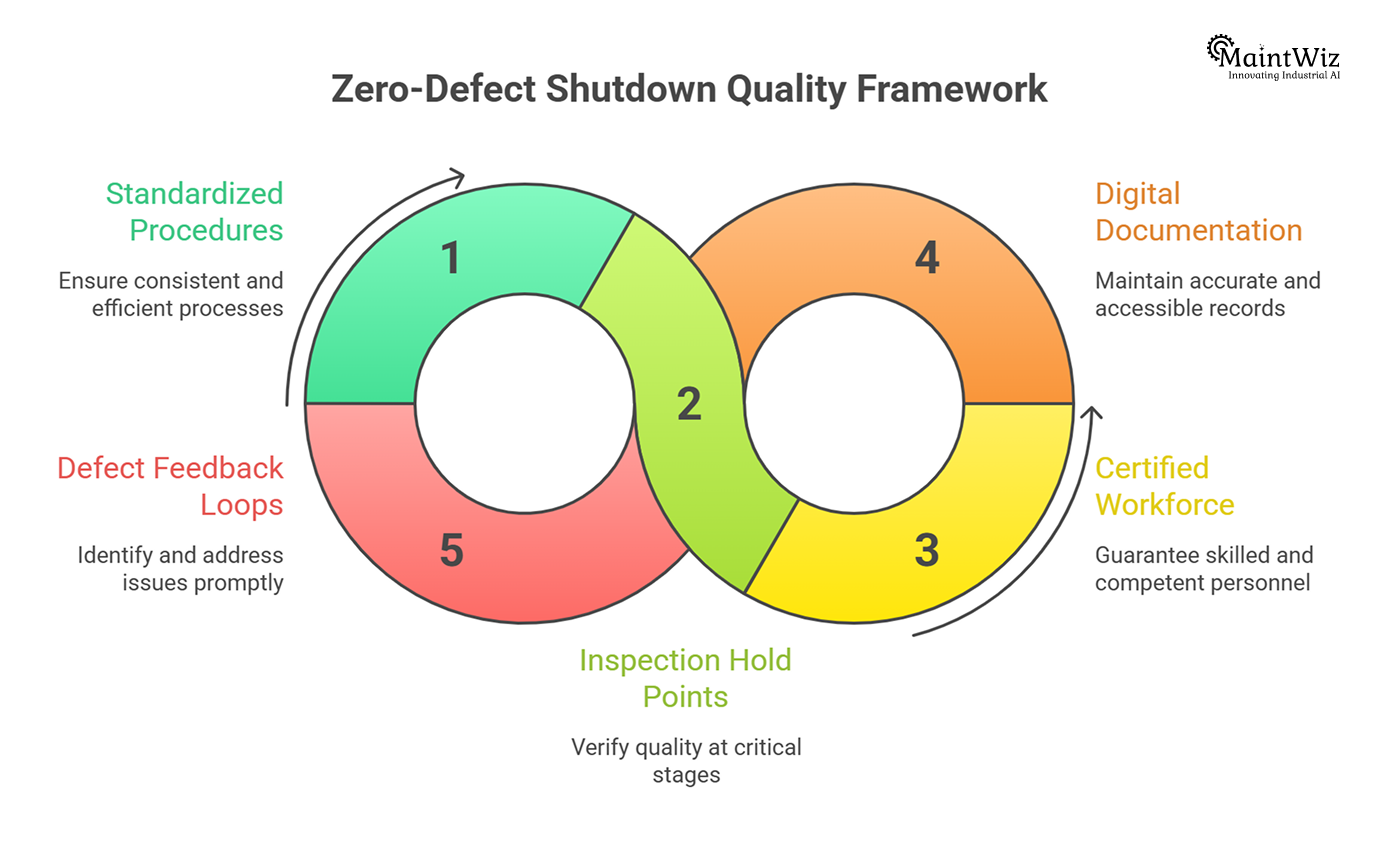
- Standardized Shutdown Work Procedures – Clearly documented job plans reduce variation, ensuring technicians follow proven repair and installation practices across shifts and contractors.
- Embedded Inspection Hold Points – Mandatory inspection stages prevent critical tasks from progressing without quality verification at predefined checkpoints.
- Certified Workforce and Contractor Qualification – Skilled, certified personnel significantly reduce workmanship errors during welding, alignment, assembly, and precision maintenance activities.
- Digital Quality Documentation – Real-time capture of inspection readings, torque values, and test results eliminates paperwork loss and improves audit traceability.
- Defect Feedback Loops – Immediate recording and analysis of detected defects prevents recurrence during remaining shutdown work.
Inspection Protocols That Prevent Startup Failures
Inspection protocols must focus on failure-critical components rather than superficial visual checks. The most effective programs combine technical depth with execution discipline.
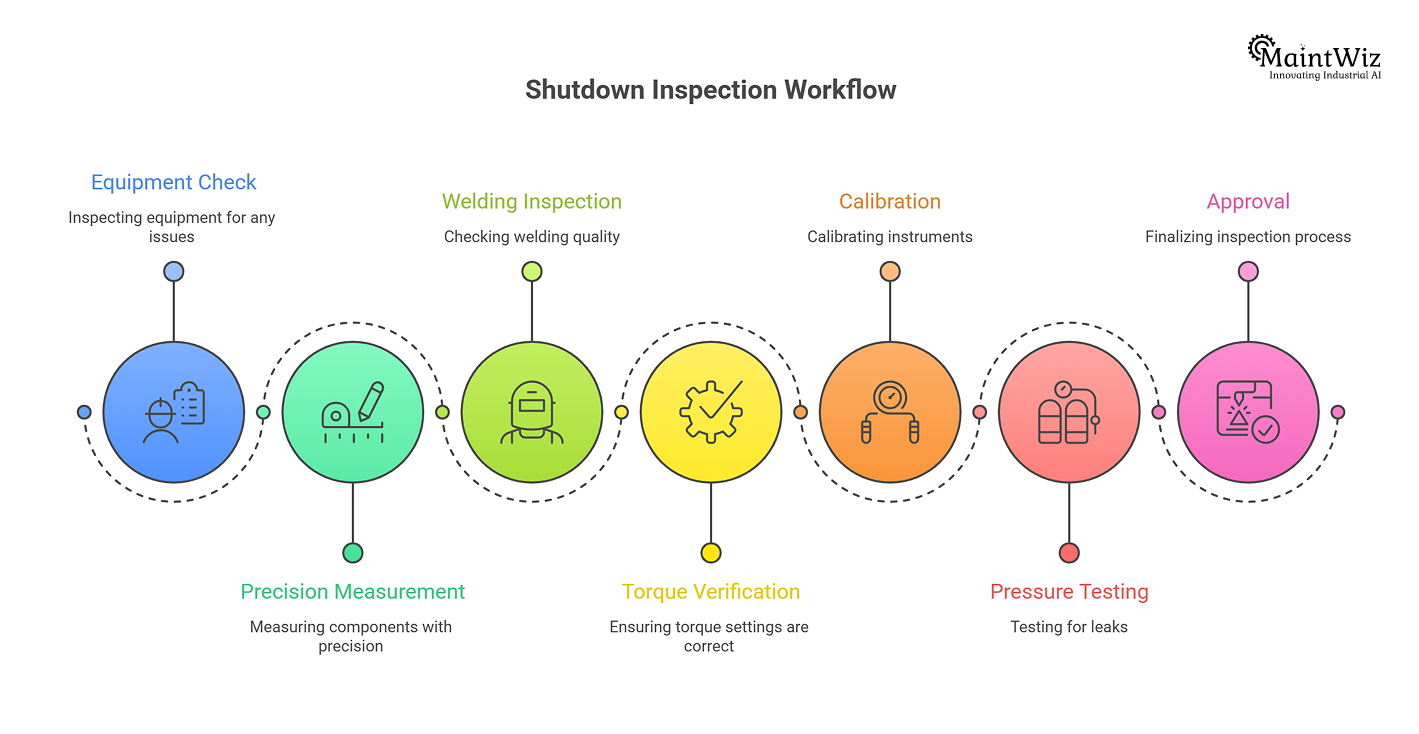
- Critical Equipment Inspection Plans – Turbines, compressors, boilers, reactors, and kilns require specialized inspection checklists tied to known failure modes and OEM tolerances.
- Precision Maintenance Verification – Shaft alignment, soft foot correction, bearing installation, and balancing require measurement-based validation, not visual confirmation.
- Welding Quality Control Procedures – Welding procedures must include WPS compliance, welder qualifications, NDT inspections, and documentation traceability for pressure systems.
- Bolting and Torque Management – Controlled tightening sequences, calibrated tools, and digital torque records prevent flange leaks and pressure containment failures.
- Instrumentation Calibration Verification – Safety and control system reliability depends on documented calibration accuracy before startup.
- Pressure and Leak Testing Protocols – Hydrotests, pneumatic tests, and vacuum tests confirm mechanical integrity before systems return to service.
Defect Prevention Strategies During Shutdown Execution
Prevention reduces inspection burden and improves schedule adherence. The best shutdown teams treat quality as a frontline activity, not a back-office review.
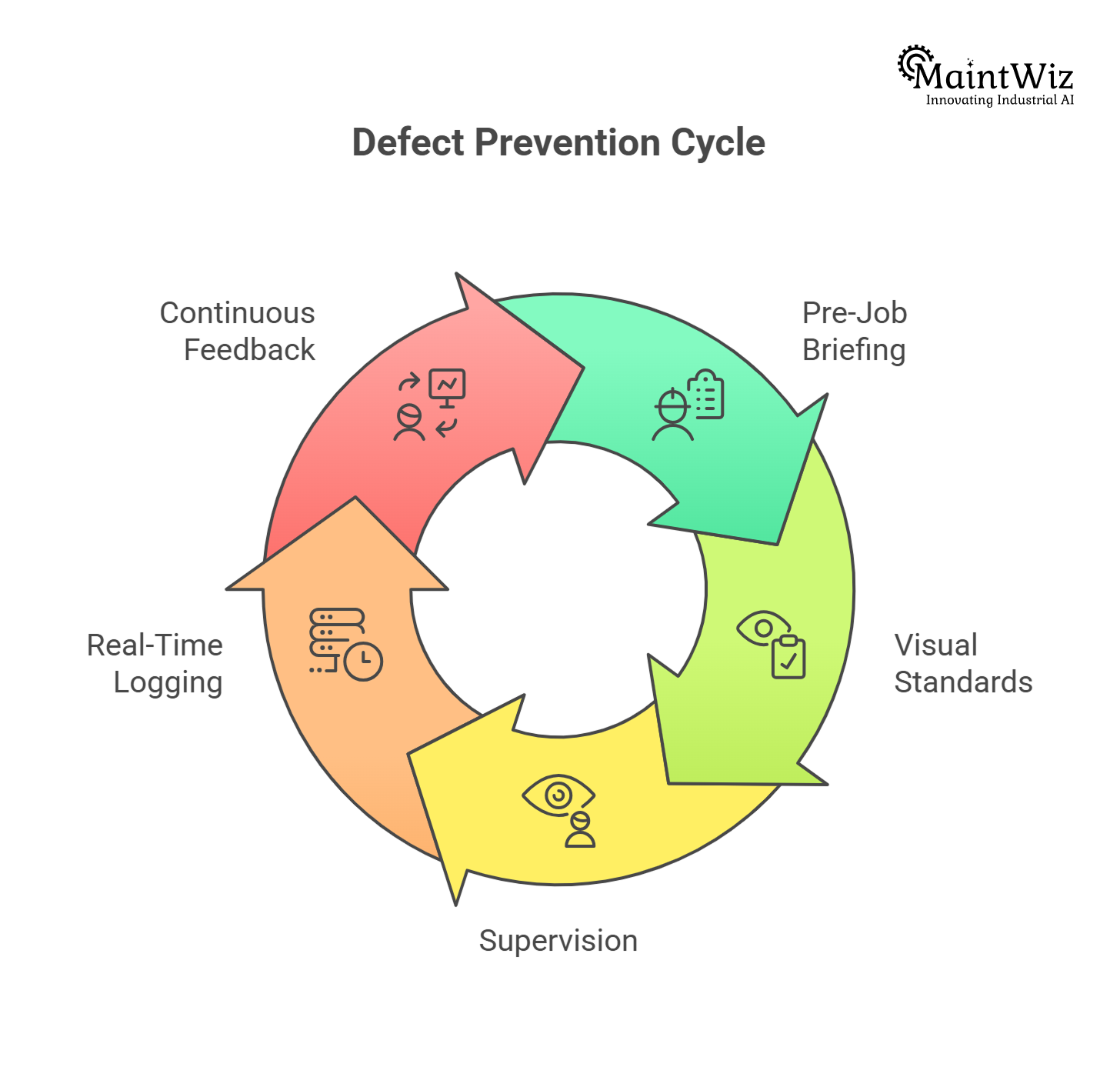
- Pre-Job Quality Briefings – Daily toolbox meetings covering tolerances, inspection points, and common failure risks align technicians on quality expectations.
- Visual Quality Standards at Worksites – Photographic examples of acceptable vs unacceptable workmanship reduce interpretation gaps across diverse contractor crews.
- First-Time-Right Culture Reinforcement – Supervisors emphasize doing the job correctly once rather than rushing and relying on rework buffers.
- Quality-Focused Supervision Ratios – Adequate supervisor-to-crew ratios ensure workmanship oversight during high-risk mechanical and structural tasks.
- Real-Time Defect Logging Systems – Immediate recording of quality issues allows trend monitoring and targeted corrective coaching during the shutdown itself.
Industry-Specific Shutdown Quality Risks
Different industries face distinct shutdown quality challenges tied to operating conditions, process severity, and regulatory frameworks.
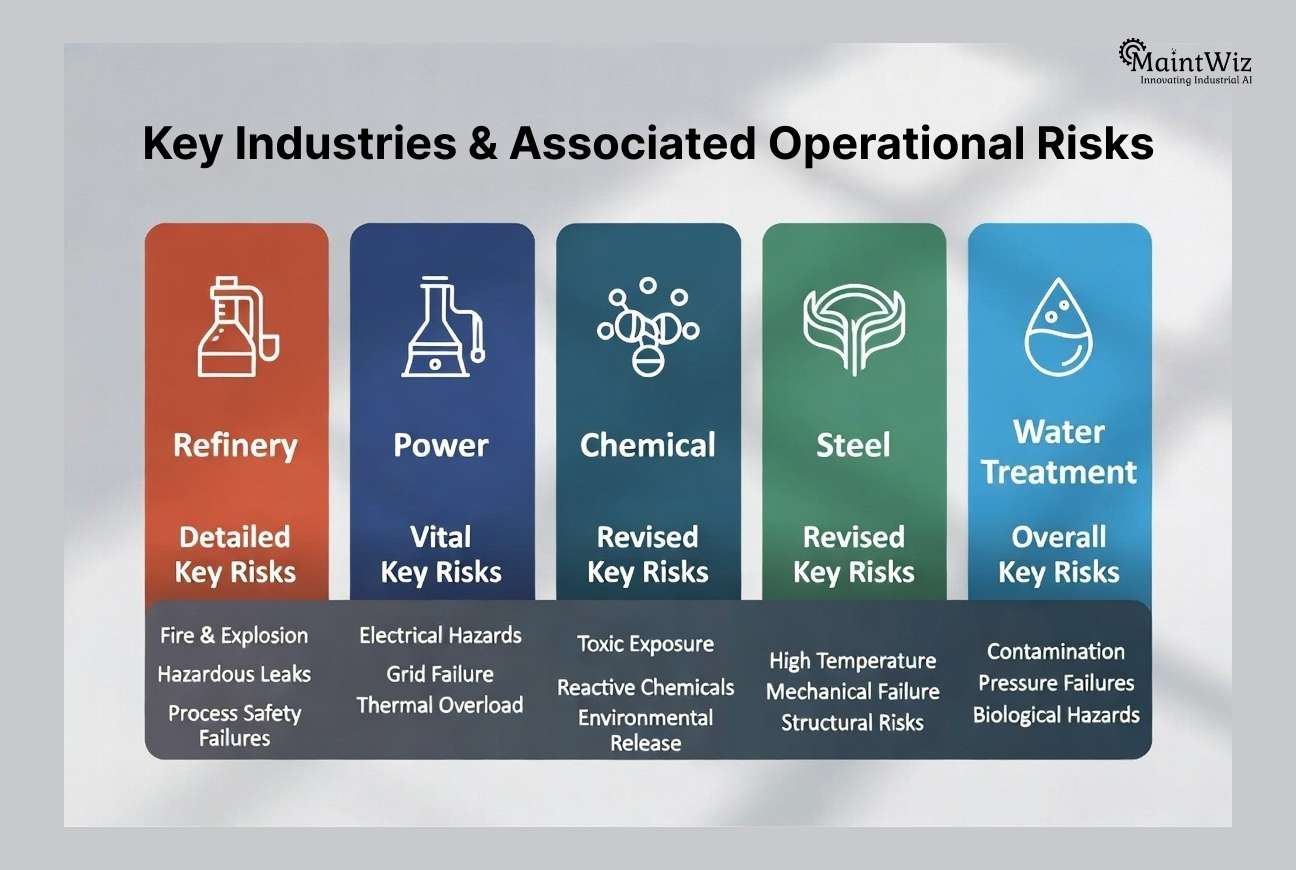
- Refinery Turnaround Quality Risks – High-temperature corrosion, flange integrity, and catalyst handling demand strict metallurgical inspection and contamination control.
- Power Plant Outage Quality Challenges – Turbine alignment, boiler tube welds, and valve overhauls require precision measurements to prevent efficiency loss and forced outages.
- Chemical Plant Shutdown Quality Controls – Reactor internals, seal systems, and safety interlocks must meet stringent tolerances to avoid hazardous release risks.
- Cement and Steel Plant Maintenance Quality – Kiln alignment, refractory installation, and heavy mechanical assemblies demand dimensional accuracy under extreme thermal stresses.
- Water and Wastewater Facility Overhaul Quality – Pump reliability, corrosion protection, and electrical panel integrity affect public health and regulatory compliance.
Common Shutdown Quality Failures and How Leaders Prevent Them
Most shutdown quality problems stem from systemic gaps rather than technical incompetence.
- Incomplete Job Scope Definition – Vague work instructions lead to inconsistent execution and missed inspection requirements across multiple contractor teams.
- Inspection Resource Shortages – Too few inspectors force rushed checks, allowing defects to pass undetected during peak shutdown activity.
- Poor Documentation Control – Paper-based records are lost or illegible, undermining traceability during audits or post-failure investigations.
- Schedule Pressure Overriding Quality – Management urgency sometimes encourages bypassing inspections, increasing long-term reliability risks.
- Lack of Defect Data Analysis – Failure to analyze recurring defects prevents learning and continuous improvement across shutdown cycles.
Digital Transformation of Shutdown Quality Management
Modern shutdown quality assurance increasingly depends on digital systems that provide structure, traceability, and real-time visibility.
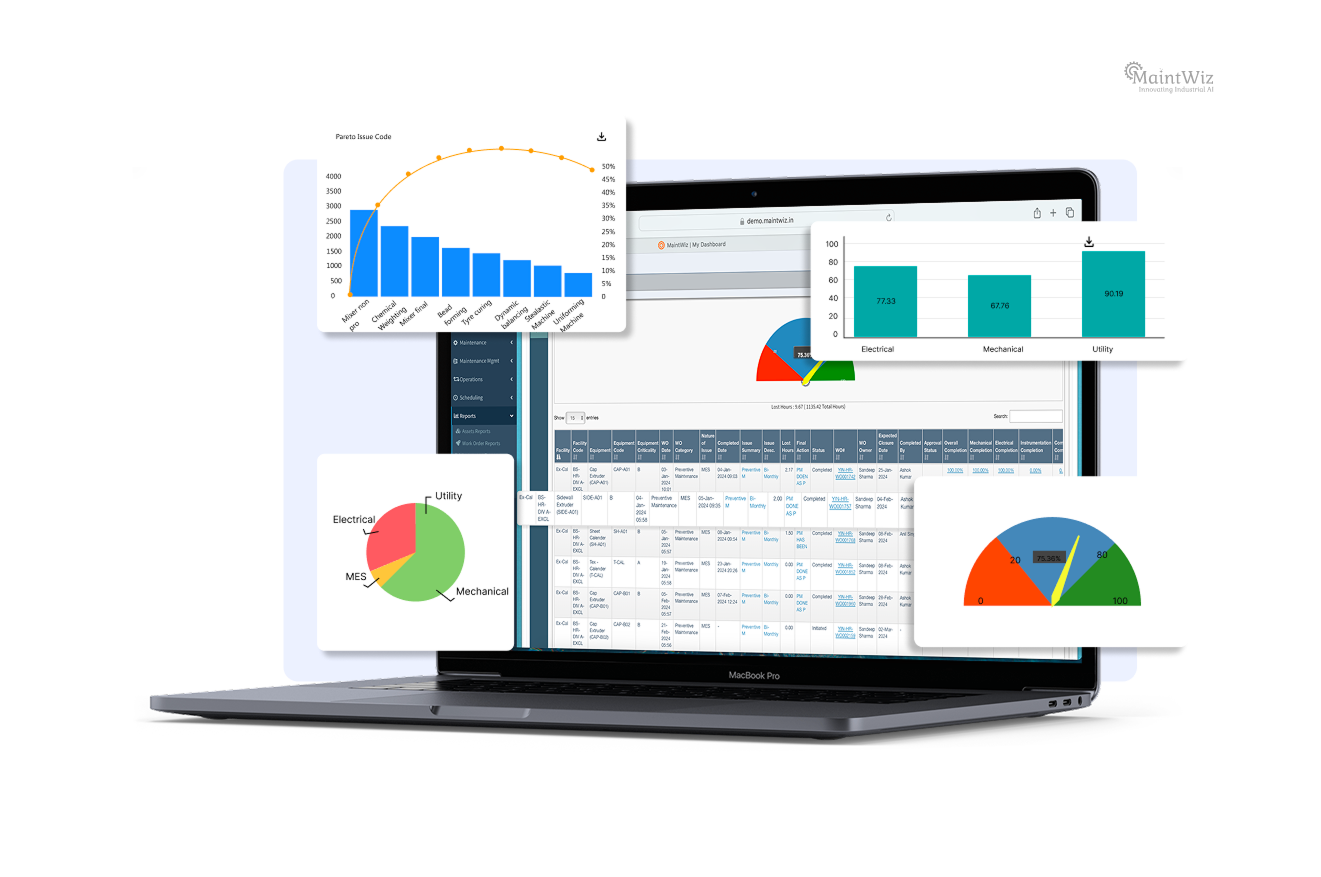
- Digital Inspection Checklists – Mobile-enabled forms ensure inspectors follow standardized steps and capture measurements accurately in the field.
- Photo and Evidence-Based Verification – Visual proof linked to work orders improves transparency and supports compliance audits.
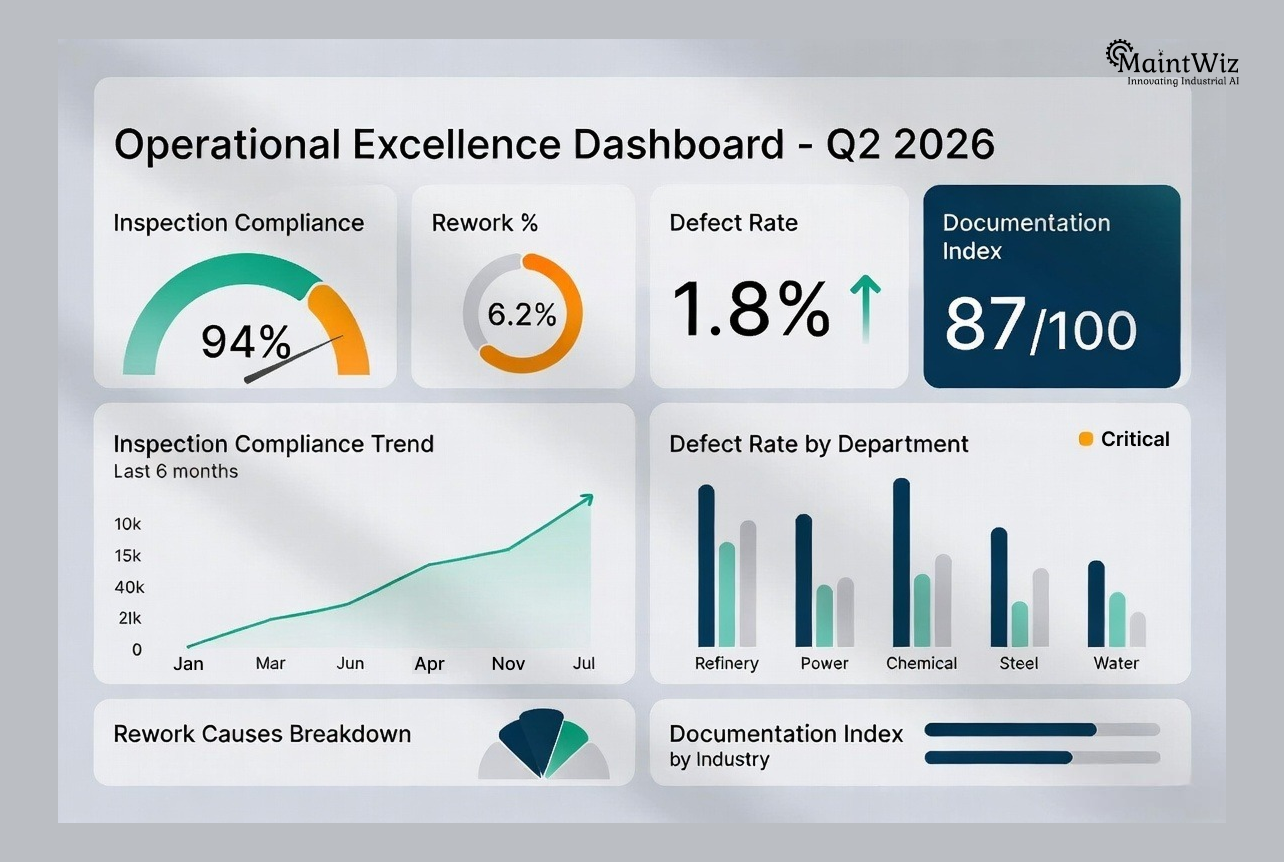
- Real-Time Quality Dashboards – Live tracking of inspection completion, defect trends, and pending hold points enables proactive management decisions.
- Automated Quality Workflows – System-driven approvals prevent tasks from closing without required inspections and documentation.
- Historical Quality Data Analytics – Trend analysis identifies recurring failure modes and contractor performance gaps for future shutdown planning.
Integrating Quality into Shutdown Work Management
Quality cannot exist in isolation. It must be embedded into planning, scheduling, and execution workflows.
- Quality-Linked Work Orders – Each shutdown job should include predefined inspection steps, measurement fields, and documentation requirements.
- Hold-Point Scheduling Integration – Inspection dependencies must be reflected in the shutdown schedule to prevent resource conflicts.
- Defect-to-Work Order Feedback Loops – Identified defects should automatically trigger corrective work orders to ensure closure before startup.
- Contractor Quality Performance Tracking – Measured defect rates and rework statistics support data-driven contractor evaluations.
- Shutdown Quality KPI Monitoring – Metrics such as rework rate, inspection compliance, and post-startup failures guide performance improvement.
Key Shutdown Quality KPIs for Executive Oversight
Executives need leading indicators, not just lagging failure statistics.
- Inspection Compliance Rate – Percentage of required inspections completed and documented before work closure indicates process discipline.
- Rework Percentage During Shutdown – High rework signals workmanship issues and inadequate first-time quality execution.
- Post-Startup Defect Incidents – Equipment failures within 30 days of startup often trace back to shutdown quality gaps.
- Documentation Completion Index – Measures completeness of torque records, test reports, and inspection data for compliance readiness.
- Defect Recurrence Rate – Tracks repeat quality issues across shutdown cycles, indicating systemic improvement or stagnation.
Building a Zero-Defect Shutdown Culture
Tools and procedures alone are not enough. Culture determines whether quality systems are respected or bypassed.
- Leadership Commitment to Quality Over Speed – Visible executive support ensures inspections are never sacrificed to recover schedule delays.
- Recognition of Quality Excellence – Rewarding teams for zero-defect performance reinforces positive behaviors and craftsmanship pride.
- Transparent Defect Reporting Environment – Encouraging early reporting without blame allows rapid correction and prevents escalation.
- Continuous Skills Development – Regular training in precision maintenance and inspection techniques strengthens workforce capability.
- Post-Shutdown Quality Reviews – Structured lessons learned transform field experience into improved standards and procedures.
How MaintWiz CMMS Enables Shutdown Quality Excellence
Executing a zero-defect shutdown requires more than procedures — it demands a digital backbone that connects planning, execution, inspection, and documentation. MaintWiz CMMS supports this integration by embedding quality control into everyday maintenance workflows.
- Inspection-Driven Work Order Management – Work orders can incorporate structured inspection checkpoints, ensuring no task is closed without required quality verification.
- Mobile Data Capture for Field Inspections – Technicians and inspectors record readings, images, and test results directly from the job site, improving accuracy and traceability.
- Standardized Maintenance Procedures Library – Digital job plans help enforce consistent shutdown work methods across internal teams and contractors.
- Defect Tracking and Corrective Workflows – Identified quality issues can be logged and converted into follow-up actions before startup readiness is declared.
- Audit-Ready Documentation Repository – Centralized records support compliance audits, OEM warranty validation, and regulatory inspections.
- Performance Analytics for Continuous Improvement – Historical shutdown data helps identify recurring defects, high-risk assets, and contractor performance trends.
By connecting quality assurance processes with maintenance execution, MaintWiz helps organizations move from reactive inspection to proactive defect prevention — a critical shift for achieving zero-defect shutdown performance.
Ready to eliminate startup surprises and build a zero-defect shutdown culture? Modernize your shutdown quality control with structured digital workflows that ensure every inspection is completed, every defect is tracked, and every asset is startup-ready with confidence.

Company
Download App