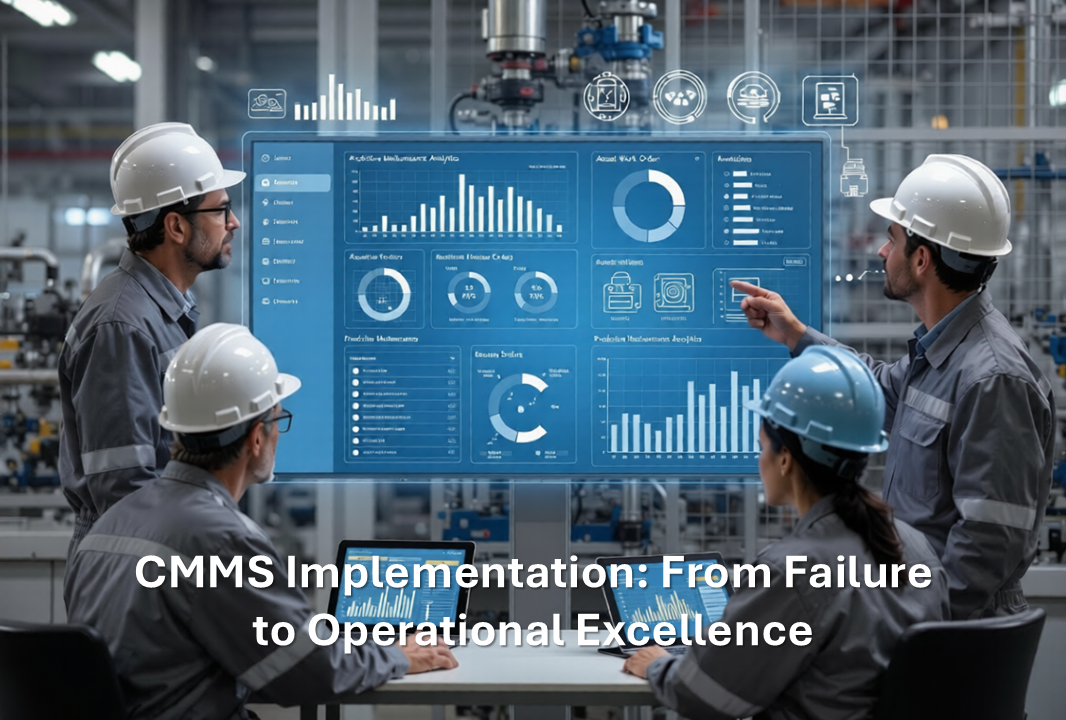



CMMS implementation is often positioned as a technology upgrade. In reality, it is a business transformation initiative—one that directly impacts asset reliability, maintenance cost structures, and operational efficiency.
Yet, despite significant investment, a large percentage of CMMS implementation projects fail to deliver expected outcomes. The failure is rarely due to the software itself. It is rooted in misaligned strategy, poor execution discipline, and lack of organizational readiness.
This guide dissects why most CMMS implementations fail—and more importantly, provides a structured framework to ensure success.
A CMMS implementation involves deploying a computerized maintenance management system to digitize, standardize, and optimize maintenance operations.
At its core, it enables:
When executed correctly, it delivers:
However, these outcomes are not automatic. They require intentional design and disciplined execution.
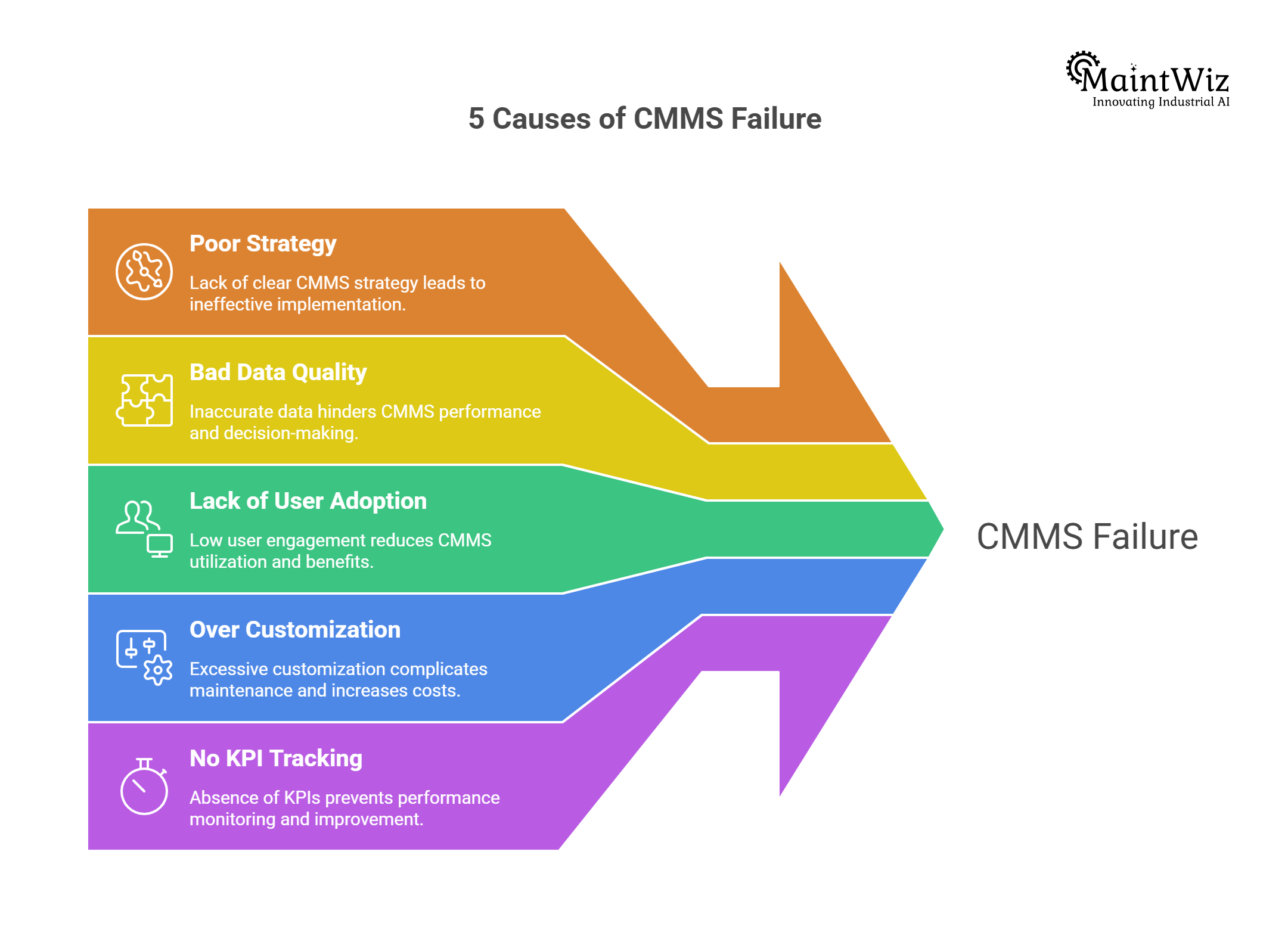
Many organizations treat CMMS as an IT project rather than an operational transformation. This results in:
A CMMS is only as effective as its data. Common issues include:
Without structured data, the system cannot deliver meaningful insights.
Organizations often attempt to:
This increases complexity and delays adoption.
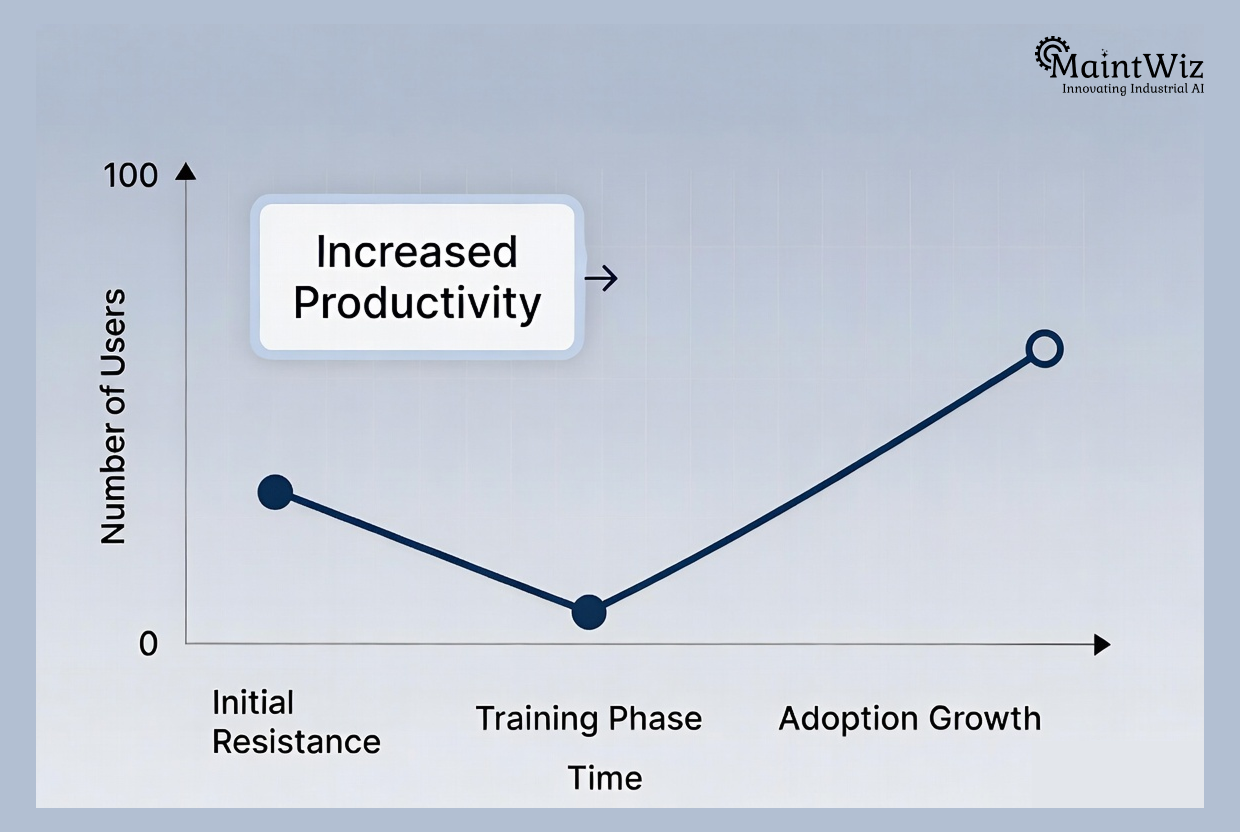
Technicians and planners may resist:
Without adoption, even the best systems fail.
Without KPIs, organizations cannot:
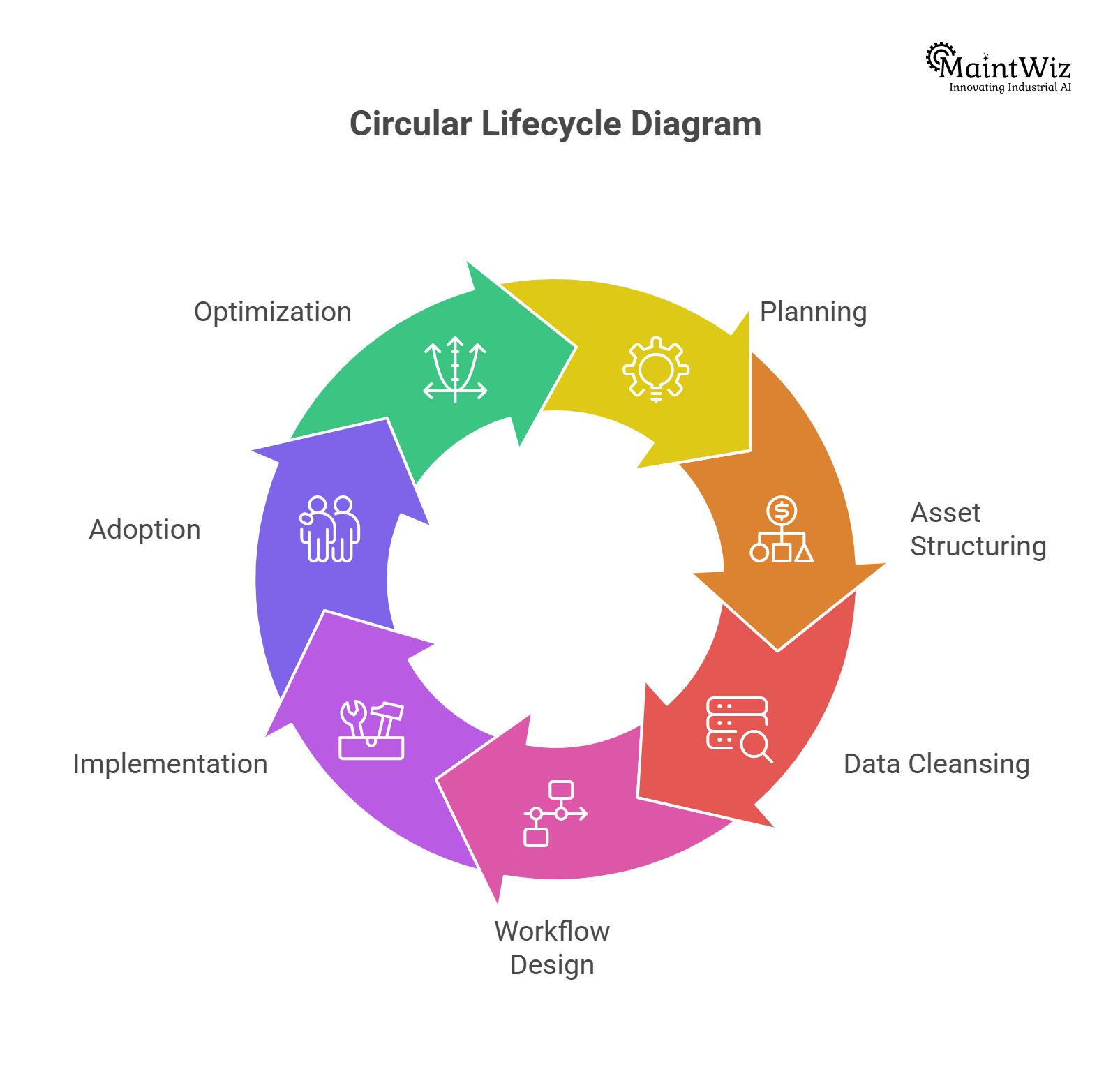
Successful CMMS implementation requires a structured, phased approach.
Before selecting or configuring a system, define:
Ensure alignment with:
A CMMS should not just manage maintenance—it should enable business outcomes.
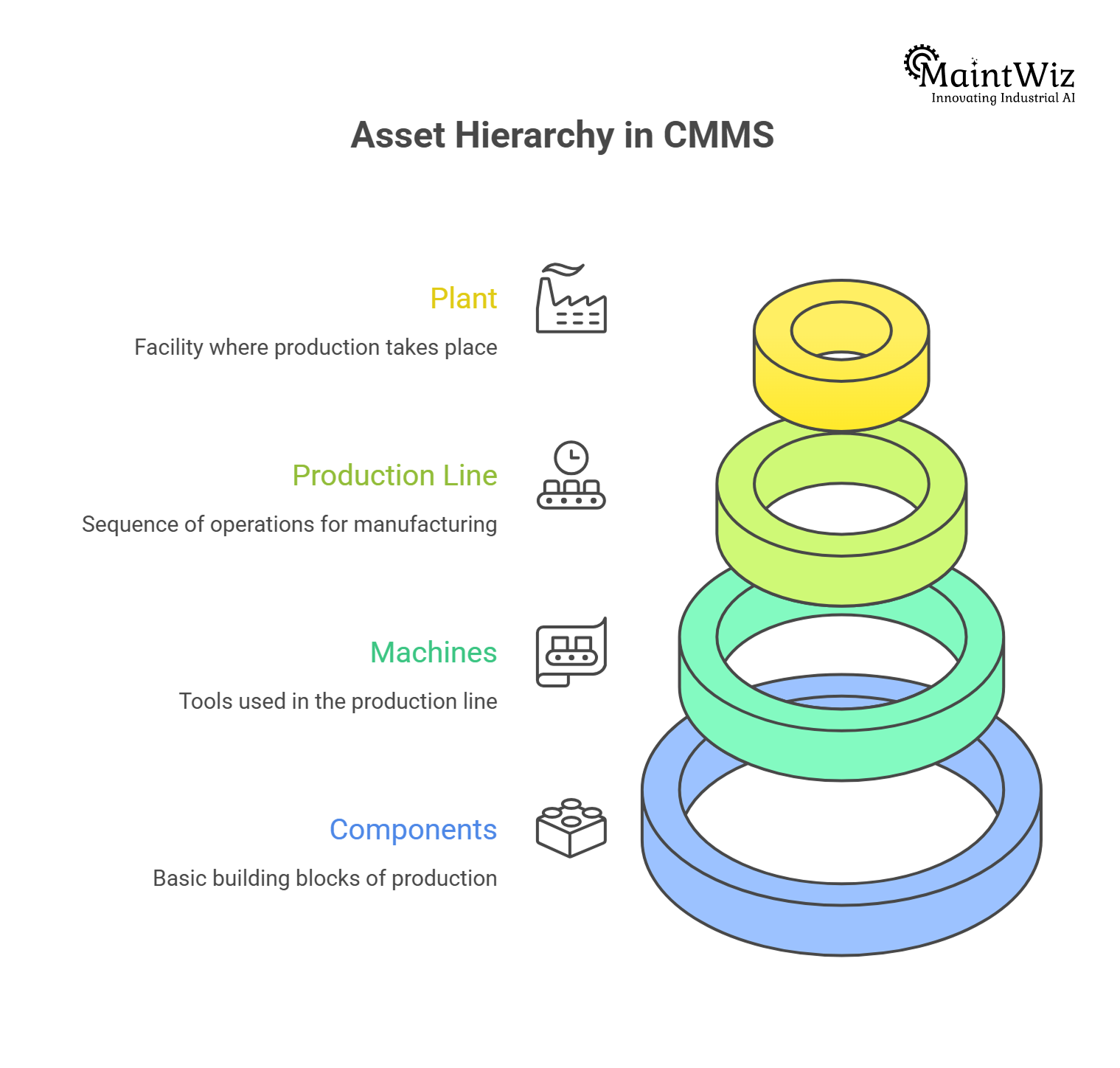
Asset hierarchy defines how assets are structured within the system.
A well-defined hierarchy enables:
This step lays the foundation for all future functionality.
Inaccurate data results in:
Data quality is not a technical task—it is a business-critical discipline.
Define:
Standardization ensures:
Without it, CMMS becomes a digital version of existing inefficiencies.
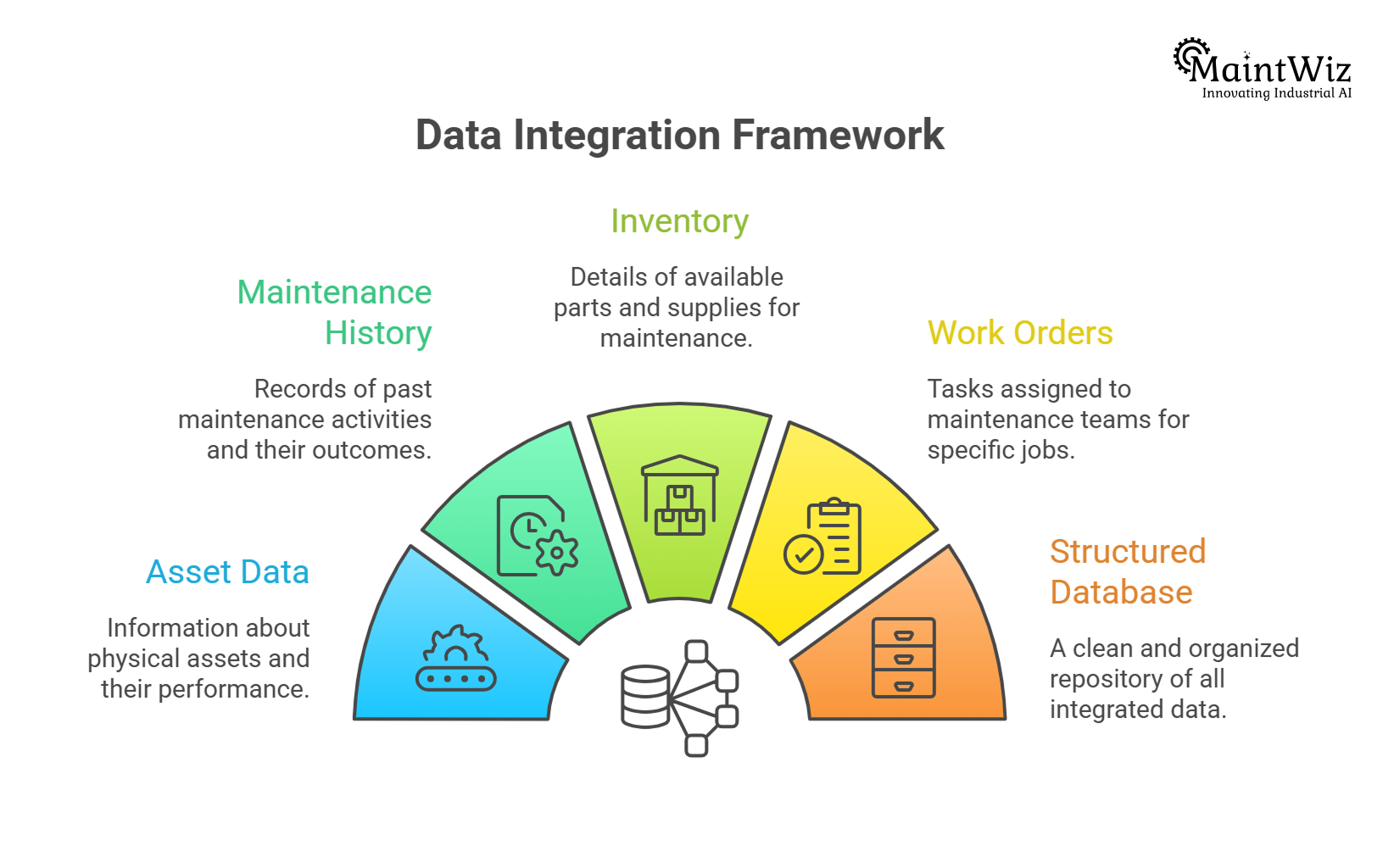
By integrating:
CMMS evolves from a tracking system to a decision-making platform.
Technicians require:
A CMMS that is not used in the field is fundamentally ineffective.
Adoption is the bridge between implementation and value realization.
CMMS implementation is not a one-time project. It is an ongoing optimization journey.
This limits impact and reduces ROI.
Without addressing people and processes, adoption fails.
Customizations increase complexity and reduce scalability.
Without leadership support, initiatives lose momentum.
A structured CMMS implementation requires a platform designed for scalability, usability, and rapid value realization. MaintWiz CMMS addresses these requirements effectively.
MaintWiz enables:
This ensures alignment between maintenance execution and business priorities.
MaintWiz integrates:
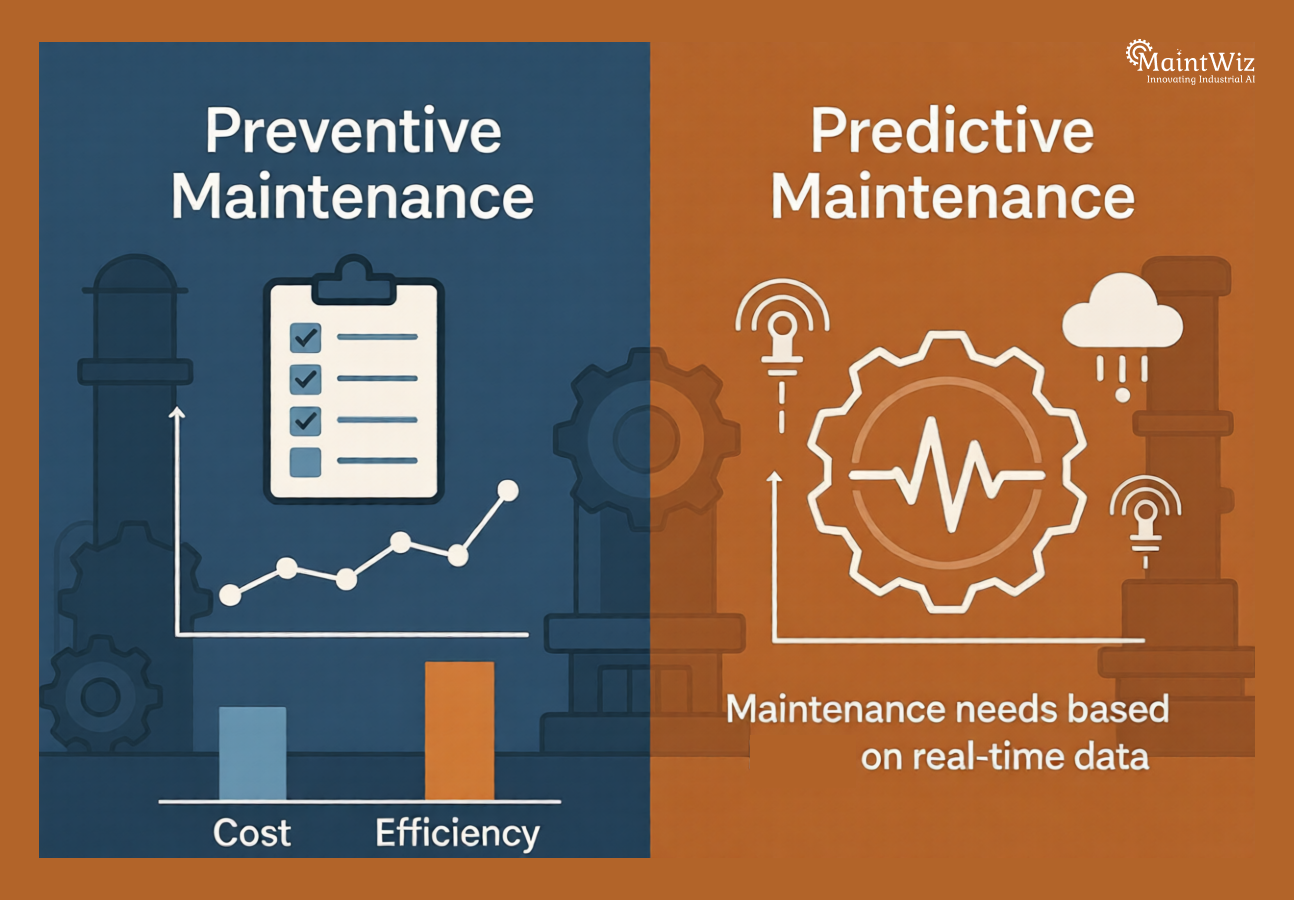
This allows organizations to transition from preventive to predictive maintenance seamlessly.
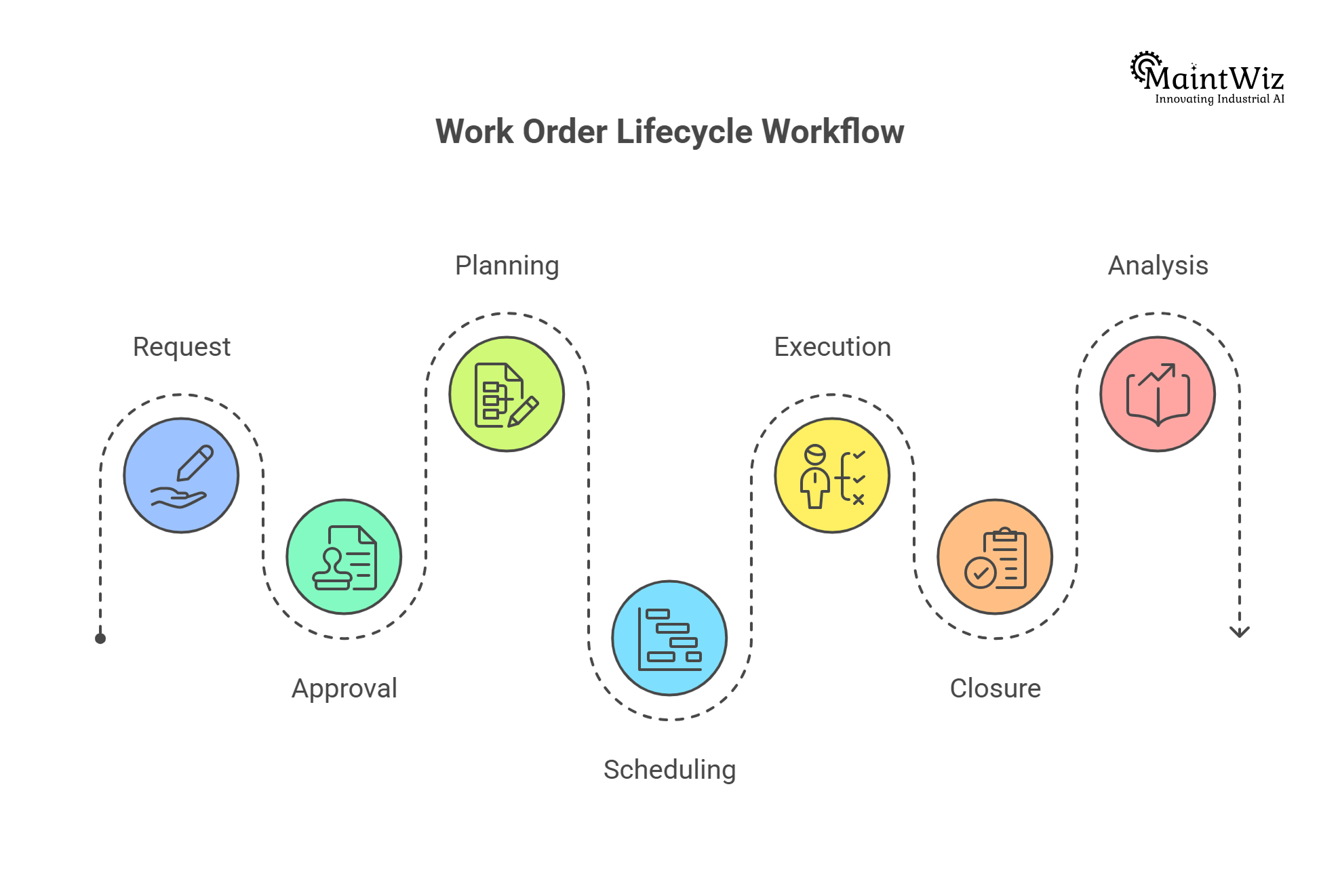
With features such as:
MaintWiz significantly improves planning efficiency and execution speed.
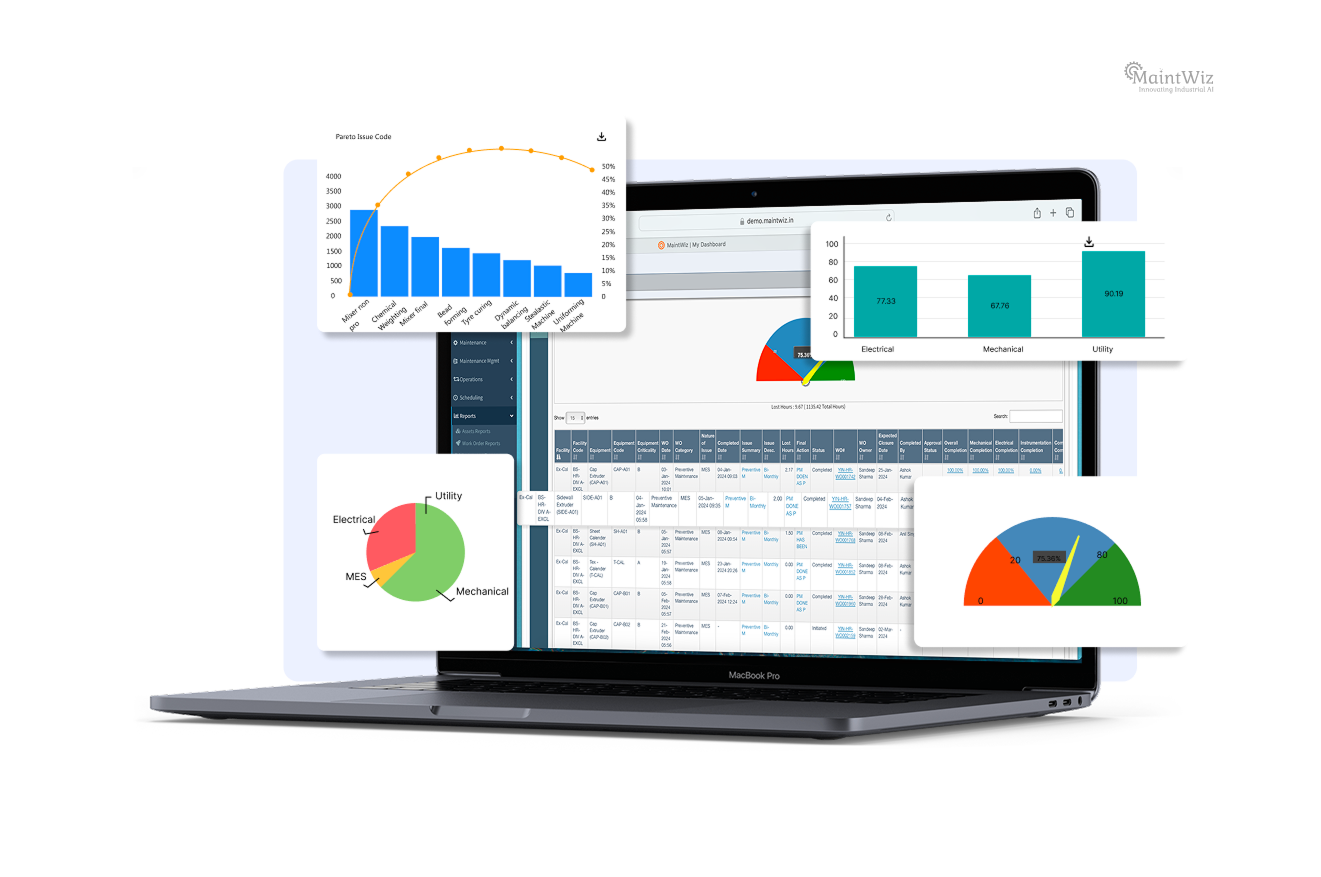
MaintWiz provides:
This enables data-driven decision-making at all levels.
MaintWiz supports rapid implementation through:
Organizations can achieve measurable improvements within a 90-day execution window, making it a practical solution for fast transformation.
The next generation of CMMS implementation will be defined by:
CMMS will evolve from a system of record to a system of intelligence.
The success of a CMMS implementation is not determined by the software selected, but by the clarity of strategy, quality of execution, and level of adoption.
Organizations that approach implementation as a structured transformation initiative can achieve:
Those that do not risk investing in systems that fail to deliver value.
The difference lies in execution discipline and strategic alignment.
CMMS implementation is the process of deploying a computerized maintenance management system to manage maintenance operations digitally.
Failures occur due to poor planning, lack of data quality, low user adoption, and absence of clear objectives.
Typically 3–6 months, depending on scope and complexity.
Define objectives, structure assets, clean data, design workflows, implement maintenance strategies, enable mobility, train users, and track KPIs.
It automates workflows, improves planning, enhances visibility, and enables data-driven decisions.

Jai Balachandran is an industry expert with a proven track record in driving digital transformation and Industry 4.0 technologies. With a rich background in asset management, plant maintenance, connected systems, TPM and reliability initiatives, he brings unparalleled insight and delivery excellence to Plant Operations.

Company