Why TPM Succeeds in Some Plants and Struggles in Others
Strategic Insights into Maintenance Excellence and Digital Transformation
In today’s rapidly evolving industrial landscape, Total Productive Maintenance (TPM) remains one of the most debated topics in plant performance, reliability engineering, and asset management. Despite broad adoption, outcomes vary wildly — some plants achieve breakthrough uptime and productivity, while others stall with persistent failures, reactive maintenance loads, and frustrated teams.
In this comprehensive article, we explore why TPM succeeds in some plants and struggles in others — uncovering the organizational, cultural, process, and digital factors that separate leaders from laggards. We also detail how MaintWiz AI CMMS enables TPM success by integrating digital intelligence with operational discipline.
Understanding TPM: Beyond the Basics
What Total Productive Maintenance Really Means
TPM is often mistaken as a maintenance project — a series of tasks to be completed or checklists to be checked off. In reality, TPM is a holistic operational system designed to maximize equipment effectiveness, minimize production losses, and foster continuous improvement.
Key characteristics of effective TPM:
- Equipment-Centric Optimization — TPM prioritizes equipment reliability and availability.
- Operator Empowerment — Operators are empowered to inspect and maintain equipment (Autonomous Maintenance).
- Cross-Functional Collaboration — TPM requires collaboration across maintenance, operations, quality, and safety functions.
- Continuous Improvement — TPM is sustained by incremental gains through Kaizen.
- Performance Measurement — KPIs like OEE, MTBF, and MTTR guide decisions.
However, many plants struggle to translate these principles into consistent performance — and the reasons extend well beyond what training programs and manuals teach.
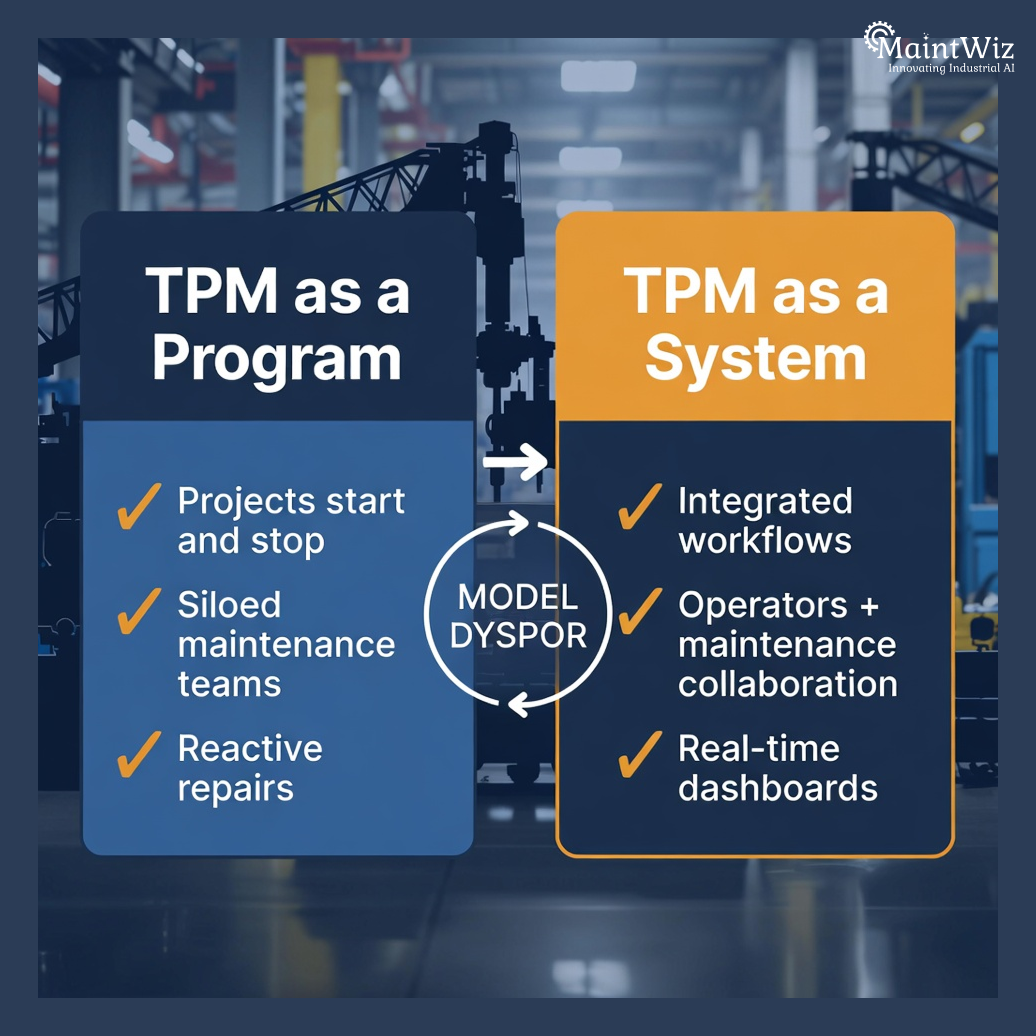
The Core Divide: Systems vs. Programs
Why TPM Succeeds as a System, Not a Project
One of the most profound reasons TPM succeeds in some plants and struggles in others is how it’s perceived and executed.
Plants that succeed treat TPM as:
- A strategic operational system embedded in daily workflows
- A leadership-driven priority with aligned goals
- A continuous process of improvement, not a quarterly initiative
Conversely, plants that struggle often treat TPM as:
- A standalone project with start/stop timelines
- Maintenance-only responsibility, disconnected from operations
- Checklist compliance, not performance improvement
Leadership and Governance in TPM Success
The Role of Executive Sponsorship
TPM success begins at the top. Without leadership commitment and governance, TPM efforts quickly de-prioritize under operational pressure.
Key leadership drivers for successful TPM:
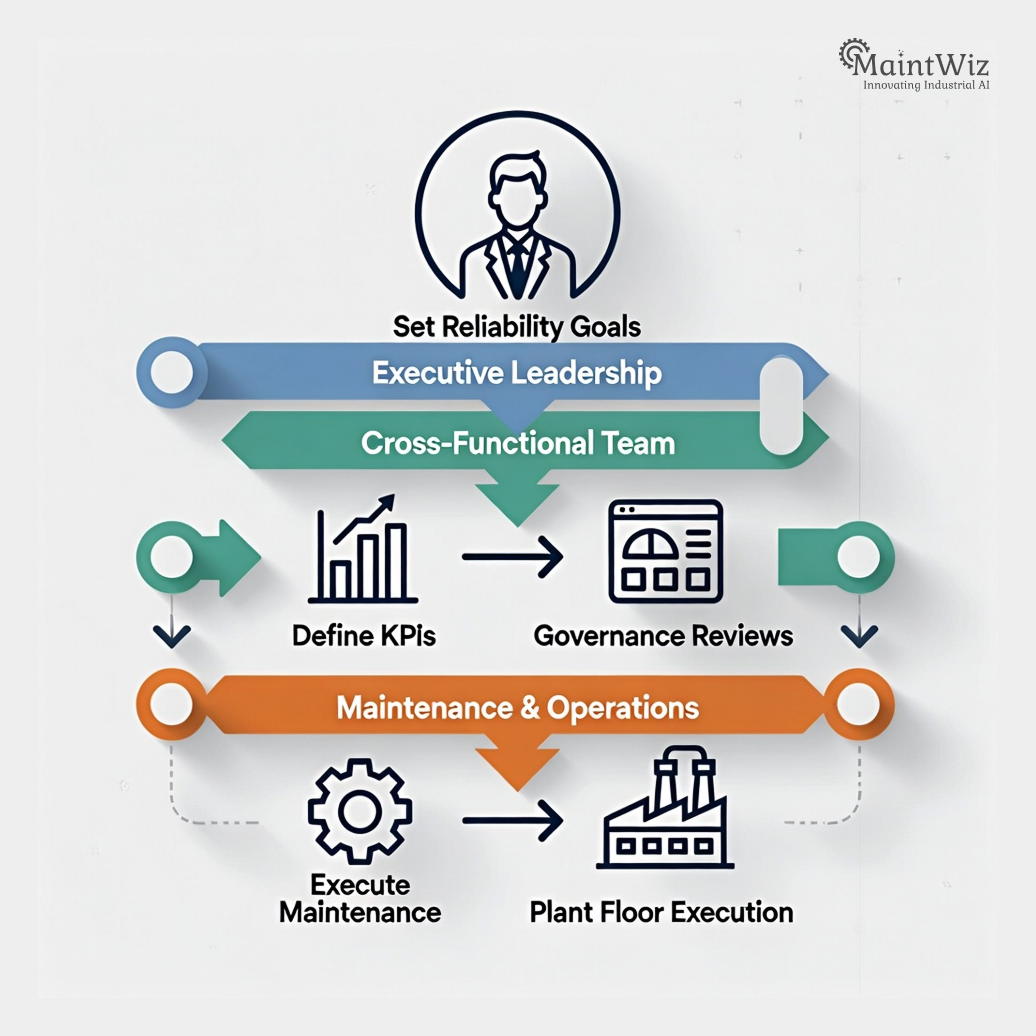
- Clear Strategic Alignment
TPM must be linked to business outcomes like uptime, quality, safety, and financial performance. - Executive Accountability
Leaders must own maintenance performance and review it regularly. - Resource Prioritization
TPM efforts deserve adequate attention, budget, and human resources. - Cross-Functional KPIs
KPIs should align maintenance with operations and quality, not siloed metrics. - Performance Transparency
Visibility into real-time performance metrics ensures governance-driven decisions. - Leadership Communication
Ongoing communication from the leadership team reinforces TPM as a strategic priority.
Culture and Human Factors
The People Behind the Performance
Plants with a sustainable TPM culture invest heavily in people, skills, and accountability. Challenged plants often see maintenance as a cost, accidents as acceptable, and operators as external to the maintenance loop.
Core cultural attributes of successful TPM:
- Ownership Mindset
Operators and technicians take personal responsibility for equipment health. - Skill Development
Comprehensive training and skill development improve competence and confidence. - Cross-Functional Collaboration
Teams across ops, maintenance, QA, and safety speak the same language. - Recognition and Rewards
High performers and improvement champions are acknowledged. - Continuous Learning
Lessons learned are documented, shared, and applied.
These human-centric traits are amplified by systems that make the right behavior easier — which significantly enhances TPM adoption.
Process Discipline and Standardization
Structured Maintenance for Consistent Results
Maintenance is often reactive because processes are undefined or inconsistently applied.
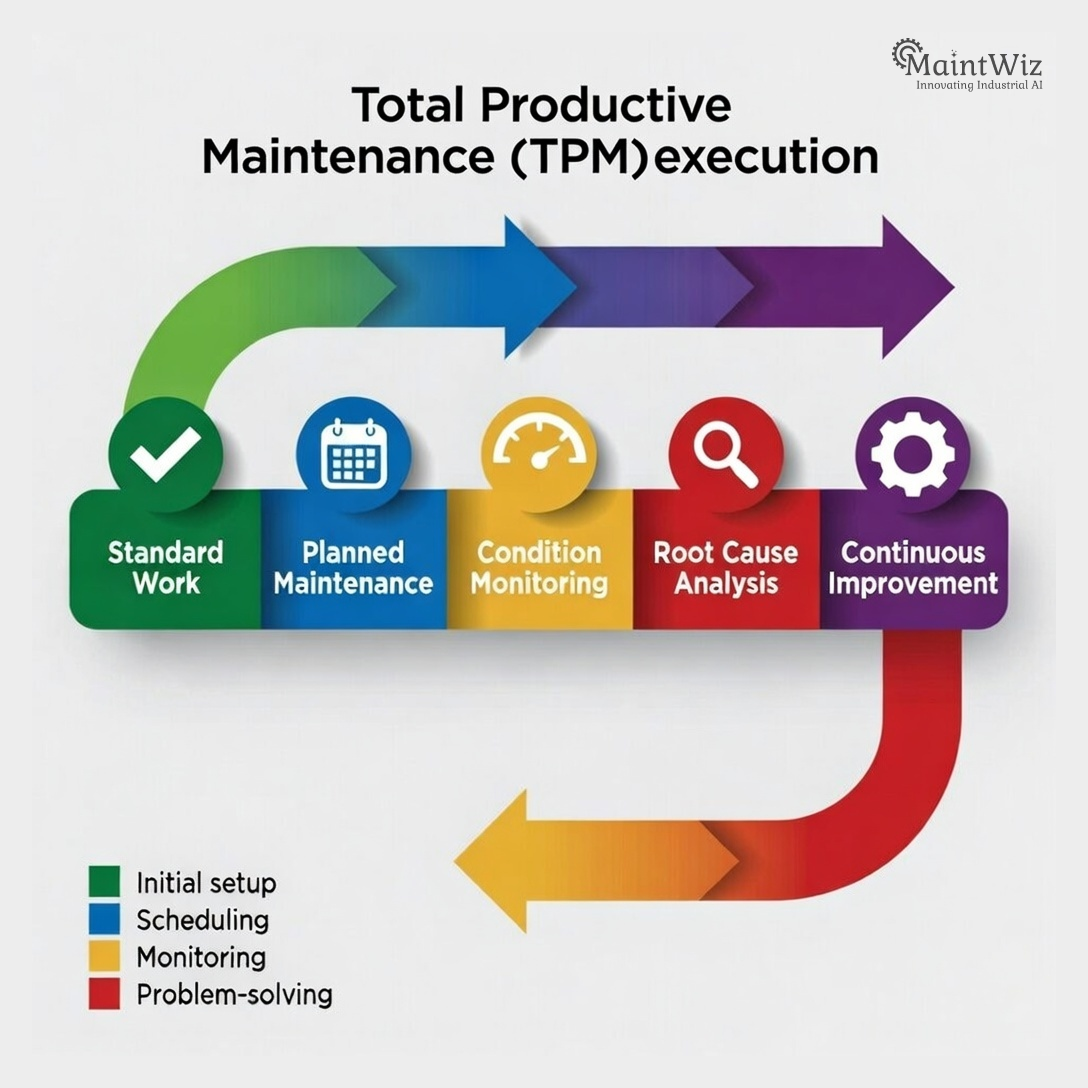
Elements of disciplined TPM processes include:
- Standard Work Procedures – Clear steps for inspections, lubrications, and adjustments.
- Scheduled Maintenance Plans – Preventive and predictive tasks based on data, not guesswork.
- Root Cause Analysis – Every failure triggers a structured investigation and corrective action.
- Changeover Standardization (SMED) – Reducing changeover times improves uptime.
- Documented Procedures and 5S Practices – Standards reduce variability and inefficiency.
Plants that standardize and automate these processes reduce reactive maintenance and improve predictability.
The Data Imperative in TPM
Why Visibility and Analytics Matter
In traditional TPM settings, data is often siloed, manually recorded, and delayed — undermining timely decisions. Modern performance demands integrated visibility.
Key data elements for TPM success:
- Overall Equipment Effectiveness (OEE) Metrics — Track availability, performance, and quality.
- Failure History and Trends — Identify patterns and recurring issues.
- Real-Time Condition Monitoring — Detect anomalies before they escalate.
- Maintenance Backlogs and Compliance Metrics — Prioritize effectively.
- Inventory and Spare Parts Visibility — Ensure availability and reduce delays.
Without actionable data and real-time insights, TPM becomes reactive — and performance gains remain elusive.
Digital Enablement: The TPM Accelerator
How Modern CMMS Transforms TPM Execution
Digital tools are no longer optional; they are foundational to TPM success.
Modern computer maintenance management systems (CMMS) integrate maintenance data, workflows, and analytics to drive disciplined execution.
MaintWiz AI CMMS exemplifies this new wave of digital enablement — embedding TPM principles into maintenance operations in an intelligent, seamless way.
How TPM Succeeds with Modern CMMS
The Technology-Driven Difference
Plants that struggle with TPM generally lack a unified digital backbone — leading to fragmented data, manual processes, and poor visibility. Digital TPM solutions bridge these gaps.
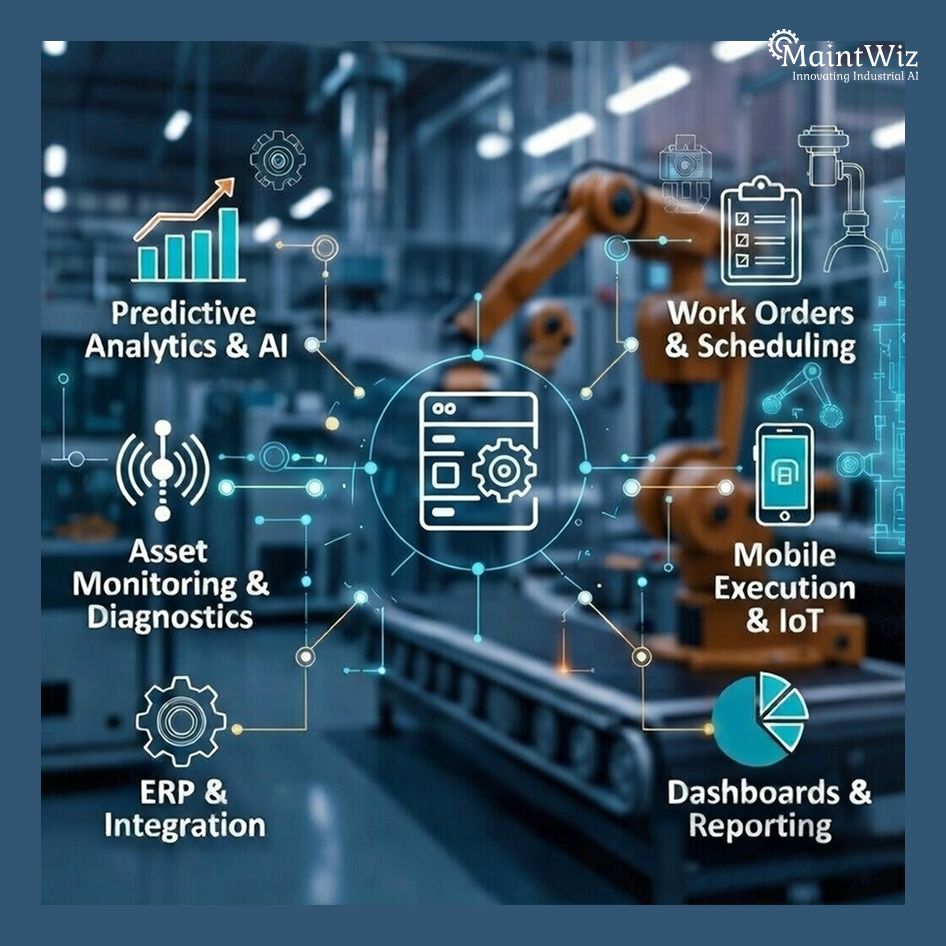
Digital enablers that support TPM success include:
- Real-Time Asset Tracking and Performance Metrics
Systems monitor equipment health, uptime, and key performance indicators live. - Intelligent Work Order Management
Tasks are prioritized automatically based on criticality and risk. - Condition Monitoring and Predictive Analytics
Sensors and AI predict failures before they impact production. - Mobile Accessibility for Field Teams
Technicians and operators receive tasks and updates in real time. - Integration with Business Systems
Seamless data flow with ERP, MES, and IoT enhances transparency. - Visual Dashboards and Reports
Clear insights improve decisions and accountability.
MaintWiz AI CMMS — Designed for TPM Excellence
The Strategic Advantage Built for Results
MaintWiz AI CMMS is engineered to tackle the very reasons TPM often struggles — by providing an integrated, intelligent, data-driven platform that reinforces disciplined maintenance execution.
Here’s how MaintWiz CMMS supports TPM success:
- Embedded TPM Workflows
MaintWiz supports all key TPM pillars — including Autonomous Maintenance, Planned Maintenance, Quality Maintenance, and Kaizen improvement — directly within its system.
- AI-Driven Predictive Maintenance
Machine learning analyzes multiple data streams to forecast failures before they occur, reducing unplanned downtime and elevating reliability.
- Overall Equipment Effectiveness (OEE) Insight
MaintWiz tracks OEE at equipment, line, and plant levels — providing insights that help pinpoint performance gaps and prioritize improvement efforts.
- Mobile-First Execution
Technicians and operators access work orders, checklists, and maintenance histories on the go, boosting compliance and speed of execution.
- Seamless Enterprise Integration
MaintWiz integrates with existing ERP, OT, and IoT systems — unifying operational and maintenance data for end-to-end visibility.
- Enhanced Collaboration and Data Sharing
By digitizing maintenance history and performance metrics, MaintWiz fosters transparency and collaboration across functions.
Real-World Outcomes: TPM Success with MaintWiz
Operational Benefits That Matter
Enterprises leveraging MaintWiz for TPM report measurable business impact including:
- Reduced Unplanned Downtime through predictive insights
- Extended Asset Life via proactive maintenance
- Improved MTTR through mobile execution
- Better Work Order Compliance with automated scheduling
- Inventory Optimization with AI forecasting
- Enhanced Safety and Compliance through structured workflow
These outcomes transform maintenance from a cost center to a strategic driver of operational excellence.
Conclusion: Designing TPM for Success
TPM is not merely a set of tasks to complete — it’s a system that integrates leadership intent, human behavior, disciplined processes, and digital intelligence. Plants that treat TPM as an ecosystem — reinforced by smart CMMS like MaintWiz — achieve true reliability, uptime, and performance excellence.
The plants that struggle do not lack effort — they lack an integrated system that supports disciplined execution and real-time insights. With digital enablement, TPM becomes sustainable, measurable, and strategic — delivering business impact beyond maintenance.

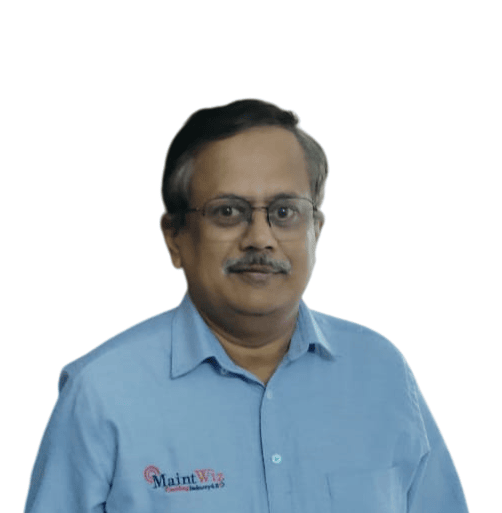
Jai Balachandran is an industry expert with a proven track record in driving digital transformation and Industry 4.0 technologies. With a rich background in asset management, plant maintenance, connected systems, TPM and reliability initiatives, he brings unparalleled insight and delivery excellence to Plant Operations.