

Your CMMS Is Not the Problem — Your Maintenance Culture Is
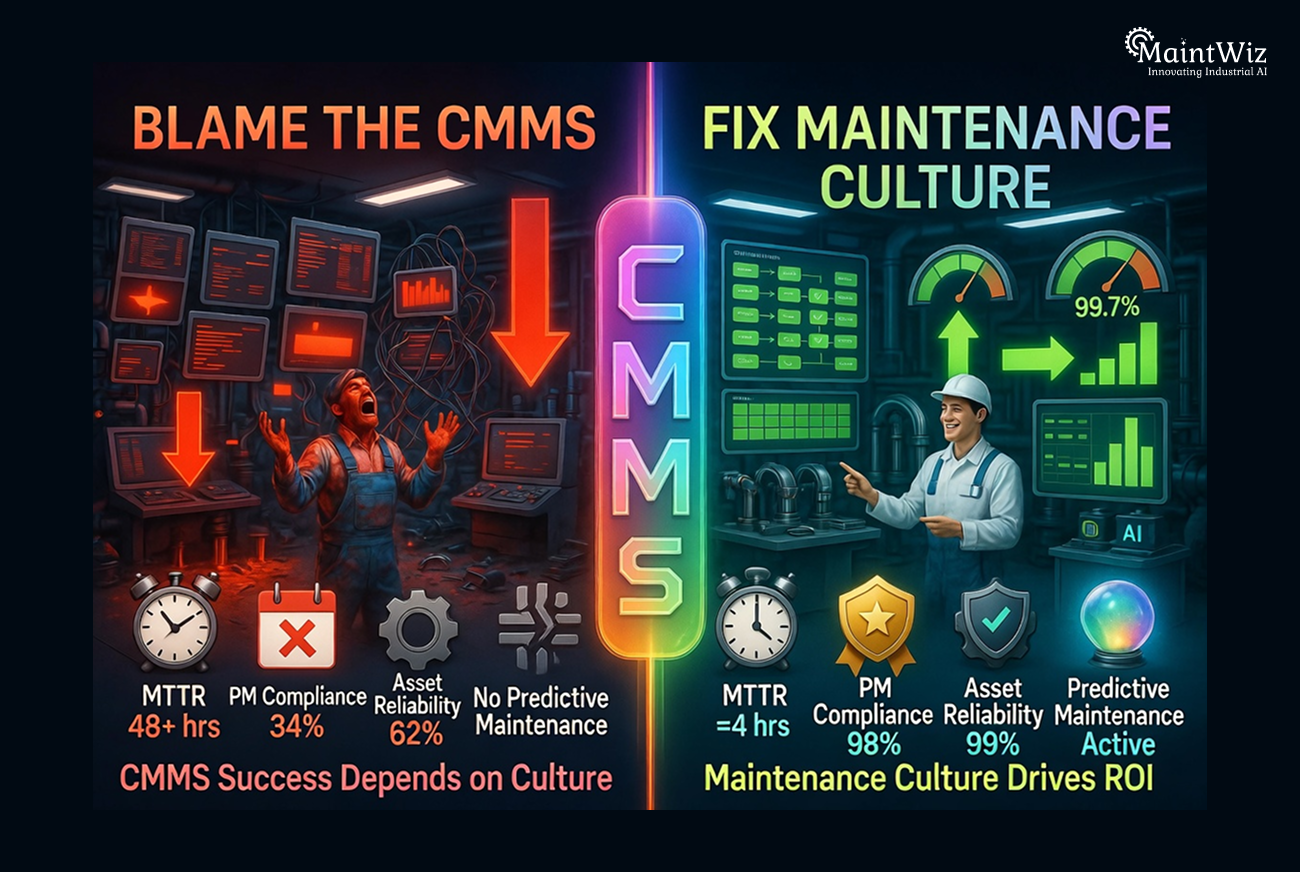
Across manufacturing plants, utilities, infrastructure companies, and process industries, leaders invest in a modern CMMS expecting dramatic improvements in uptime, cost control, and asset life extension. Yet 12–24 months later, frustration sets in. Dashboards exist. Work orders are logged. Reports are generated. But reliability hasn’t transformed.
The uncomfortable truth?
The CMMS is rarely the problem. The real constraint is maintenance culture — the behaviors, incentives, leadership mindset, and process discipline that determine whether software becomes a strategic enabler or an expensive digital filing cabinet.
This article explores why maintenance culture determines CMMS success, how to diagnose cultural gaps, and how leading organizations convert their CMMS into a competitive advantage.
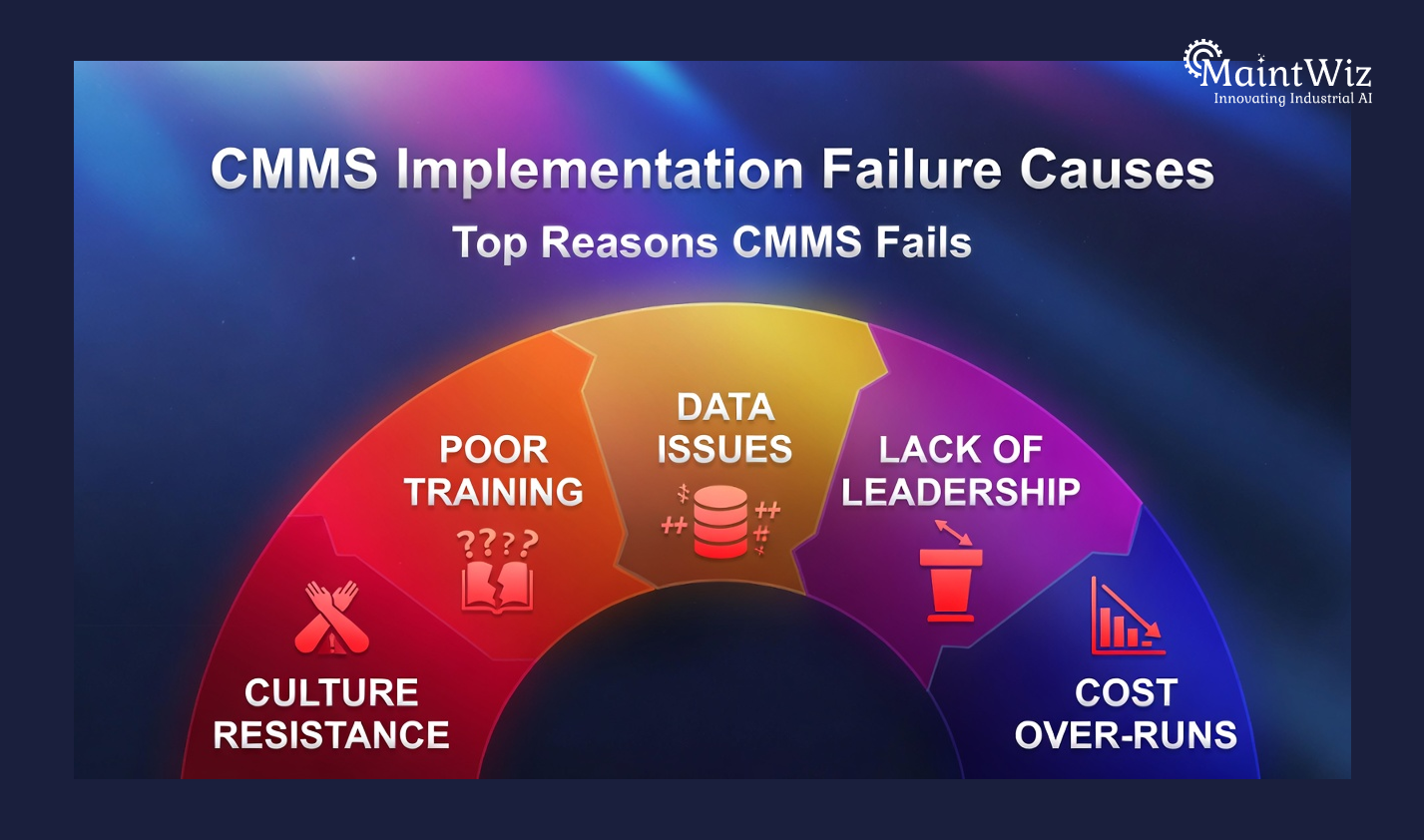
Why CMMS Implementations Fail: A Culture Diagnosis
Before blaming technology, high-performing organizations ask a sharper question: What behaviors does our system reinforce? In over two decades of plant transformations, recurring cultural patterns explain most failed CMMS initiatives.
- CMMS as Data Entry, Not Decision Engine
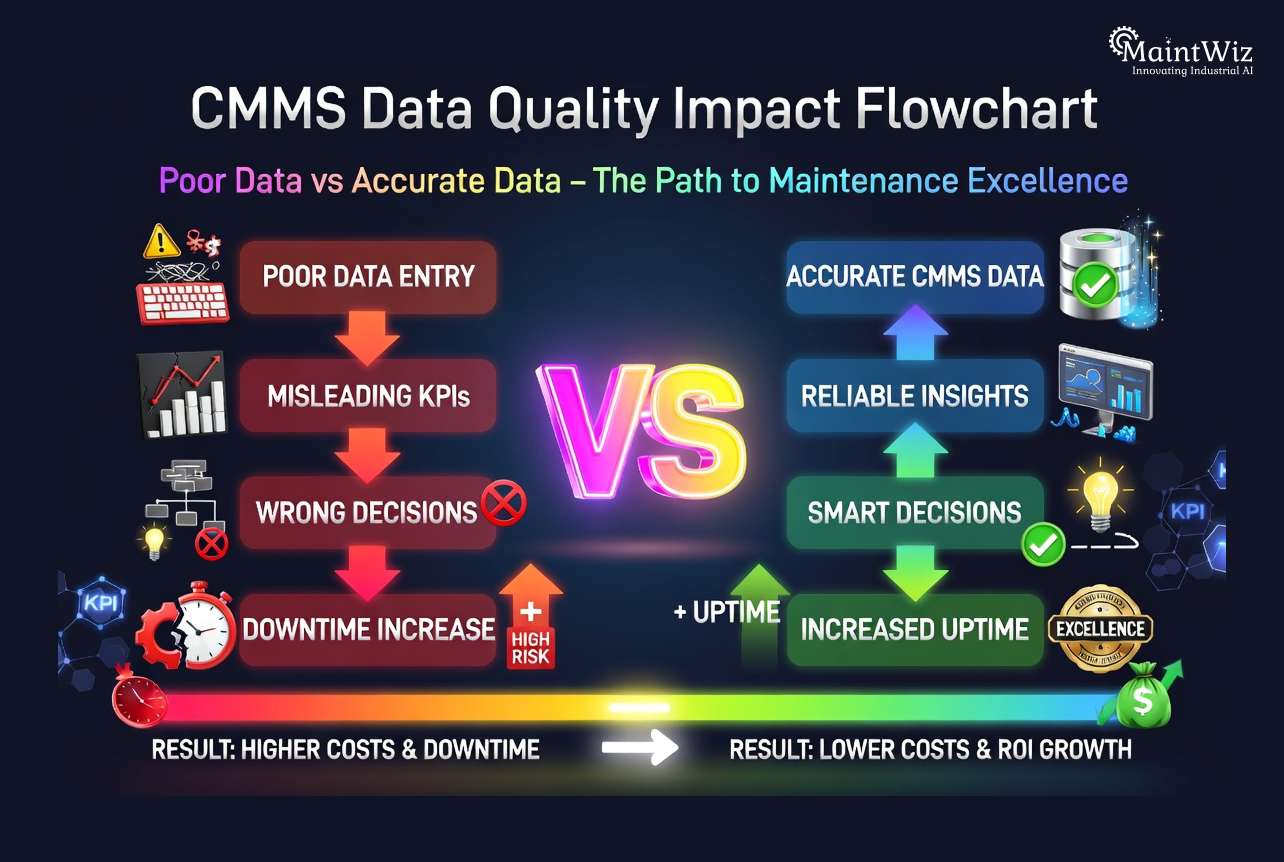
Many teams treat the CMMS as a documentation obligation rather than a reliability intelligence system. When work orders are closed without meaningful failure codes or root cause notes, the organization loses the very insight it expects from its CMMS.
2. Reactive Maintenance Culture Dominance
If firefighting is celebrated and planned maintenance is viewed as optional, no CMMS can fix the imbalance. Software schedules preventive maintenance; culture decides whether it is respected.
3. KPI Theater Instead of KPI Ownership
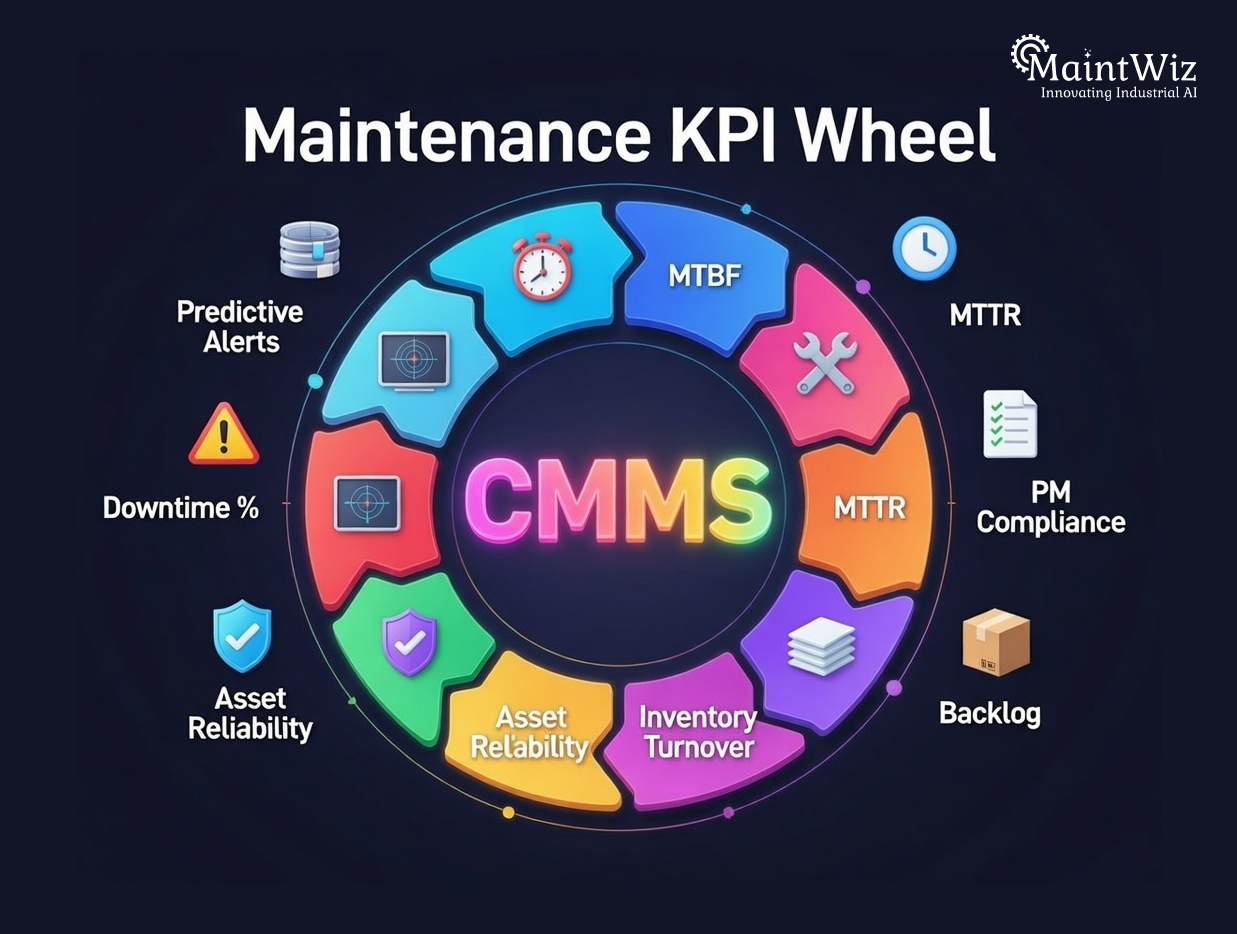
Reporting on maintenance KPIs without behavioral accountability creates illusion, not improvement. Metrics such as MTTR, PM compliance, and backlog health must drive decisions—not just presentations.
4. Leadership Disconnect from Reliability Strategy
When senior leadership sees maintenance as a cost center instead of a risk management and asset performance function, CMMS usage becomes tactical rather than strategic.
5. Poor Change Management During CMMS Rollout
Training on buttons without transforming workflows ensures low adoption. Culture resists what it does not understand.
What Is Maintenance Culture in a CMMS-Driven Organization?
Maintenance culture is the shared mindset that governs how assets are managed, how work is prioritized, and how decisions are made using CMMS data.
A strong CMMS-aligned maintenance culture demonstrates:
- Data Integrity Discipline – Every work order tells a story. Failure codes, downtime reasons, and labor hours are entered with rigor.
- Planning & Scheduling Governance – Weekly schedules are respected, not overridden by convenience.
- Reliability-Centered Thinking – Teams ask “why did it fail?” instead of “who will fix it?”
- Cross-Functional Collaboration – Production, maintenance, and procurement align around asset uptime.
- Continuous Improvement Cadence – CMMS analytics are reviewed systematically to eliminate chronic losses.
The Hidden Cost of a Weak Maintenance Culture
A poorly aligned maintenance culture silently erodes profitability—even with a robust CMMS installed.
- Inflated Unplanned Downtime
When preventive maintenance compliance is low, reactive maintenance increases. Each unplanned event multiplies production losses and emergency overtime. - Spare Parts Overstock or Stockouts
Without accurate asset history and failure trends in the CMMS, inventory decisions become guesswork. - Asset Life Reduction
Assets deteriorate faster when condition monitoring and predictive maintenance alerts are ignored. - Low Technician Engagement
If technicians feel the CMMS adds paperwork without value, morale and data quality decline simultaneously. - Executive Distrust of Data
Once leadership questions CMMS reports, investment confidence erodes.
How High-Performance Organizations Use CMMS Differently
Top quartile maintenance organizations exhibit cultural behaviors that amplify CMMS value.
- CMMS as Strategic Asset Intelligence Platform
They use CMMS dashboards to identify reliability patterns and justify capital investment decisions. - Balanced Maintenance Mix Governance
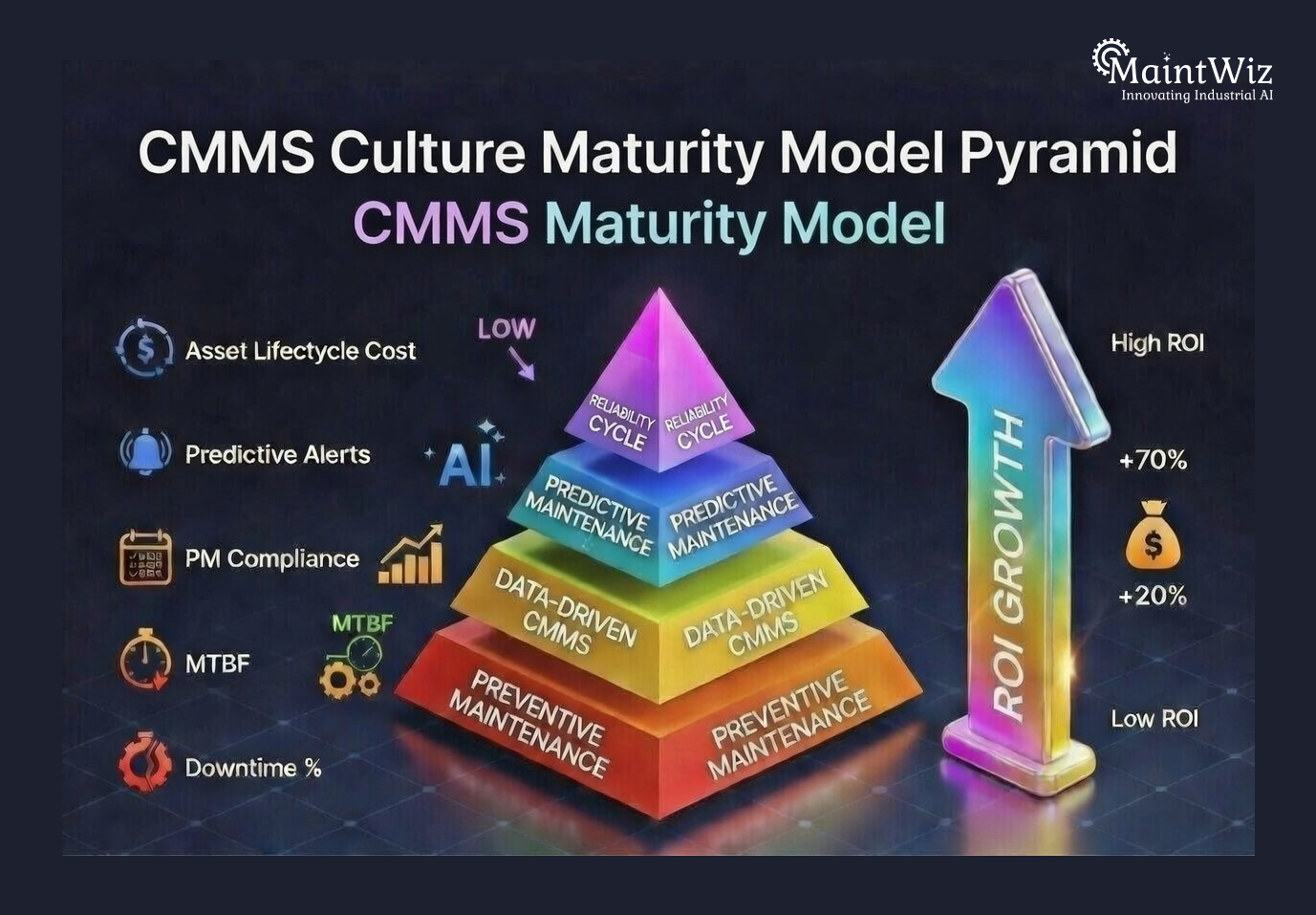
They maintain a proactive maintenance ratio above reactive thresholds, continuously improving preventive and predictive strategies. - Structured Root Cause Analysis (RCA)
Every critical failure feeds structured analysis and updates maintenance plans within the CMMS. - Data Quality Audits
Monthly audits ensure work order accuracy and consistent classification. - Maintenance KPI Reviews at Executive Level
CMMS metrics are discussed alongside financial KPIs, reinforcing strategic importance.
Transforming Maintenance Culture: A Practical Blueprint
Cultural transformation requires structured interventions aligned with CMMS processes.
- Executive Sponsorship of Reliability
Leaders must visibly reinforce maintenance as a value generator. - Define Clear CMMS Governance
Establish ownership for master data, work order quality, and KPI tracking. - Align Incentives with Reliability Outcomes
Reward reduction in repeat failures, not speed of firefighting. - Technician-Centric Training Programs
Training must show how CMMS improves daily work—not just how to navigate screens. - Institutionalize Weekly Planning Rituals
Planning and scheduling meetings must become sacred operational rhythms.
Why Technology Alone Cannot Fix Culture
Modern CMMS platforms offer AI-driven insights, mobile work orders, predictive analytics, and real-time dashboards. However:
- Automation cannot enforce accountability.
- Dashboards cannot replace leadership alignment.
- Predictive alerts cannot override cultural complacency.
- Mobile apps cannot compensate for poor process discipline.
Technology accelerates good culture. It exposes weak culture.
The Strategic Role of MaintWiz CMMS in Culture Transformation
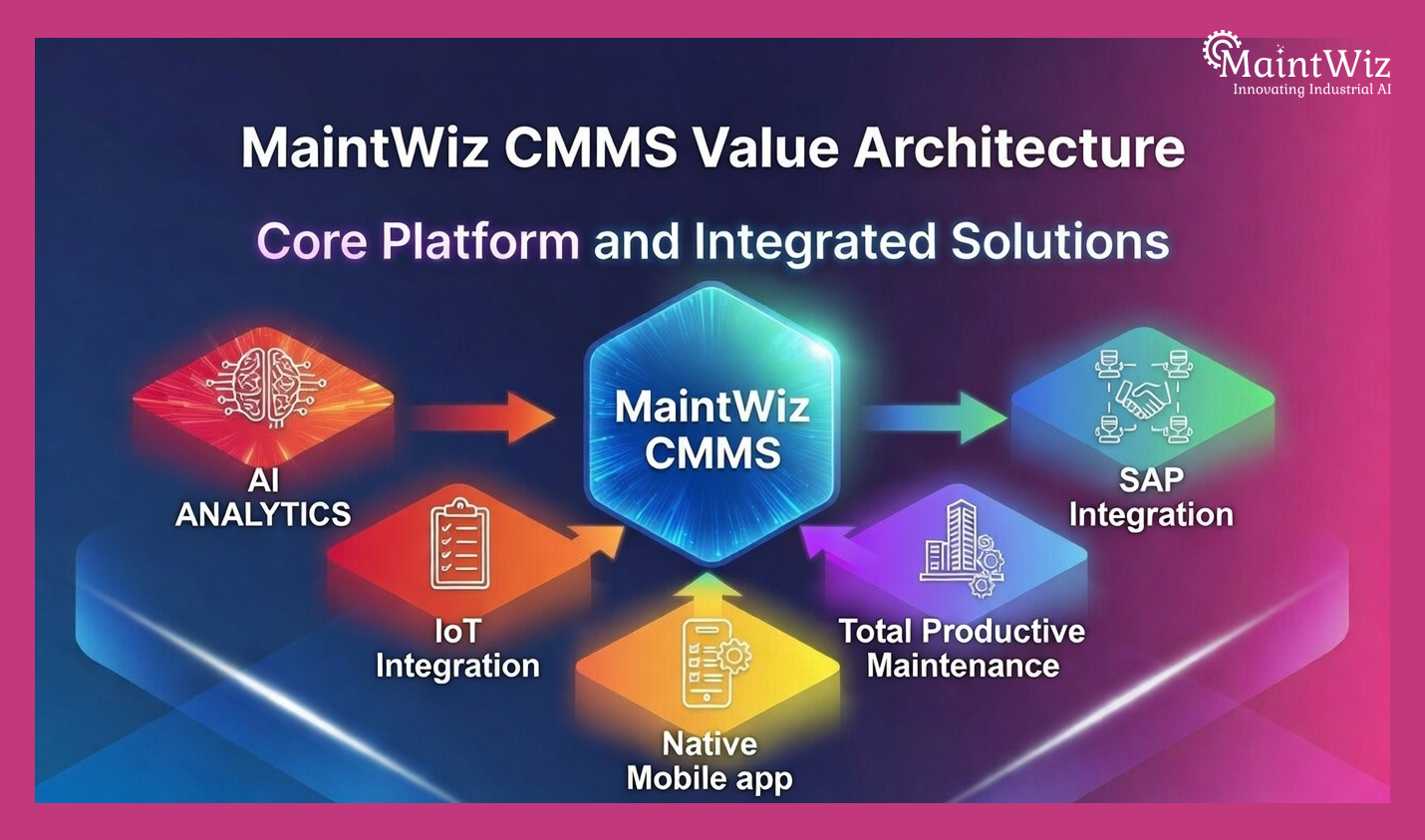
While culture drives outcomes, the right CMMS platform strengthens cultural evolution. MaintWiz CMMS is architected to align people, process, and technology for measurable asset performance improvement.
MaintWiz supports culture transformation through:
- AI-Powered Analytics – Enables leadership to move from reactive reporting to predictive decision-making.
- Mobile-First Work Order Management – Simplifies technician adoption and improves real-time data capture.
- Integrated Preventive & Predictive Maintenance Modules – Encourages proactive maintenance culture.
- Advanced Maintenance KPI Dashboards – Drives accountability with transparent performance tracking.
- ERP & IoT Integration Capabilities – Breaks silos and connects maintenance with enterprise strategy.
MaintWiz does not merely digitize maintenance—it enables organizations to institutionalize reliability thinking. When combined with disciplined leadership and structured change management, MaintWiz CMMS becomes a catalyst for cultural transformation.
If your CMMS investment is underperforming, the solution may not be replacing the software. The solution may be redefining how your organization thinks about maintenance.

Jai Balachandran is an industry expert with a proven track record in driving digital transformation and Industry 4.0 technologies. With a rich background in asset management, plant maintenance, connected systems, TPM and reliability initiatives, he brings unparalleled insight and delivery excellence to Plant Operations.